

So, you're into intermittent fasting, trying to get the most out of it. That's cool. But then you hear about matcha, this green tea powder that's supposed to be super healthy. Naturally, you wonder, can I have my matcha while I'm fasting? It’s a common question, and honestly, the answer isn't a simple yes or no. Let's break down what happens when you sip on matcha during your fasting window.
Key Takeaways
- A true fast means avoiding calories. Even a small amount can trigger your body's digestive processes.
- Pure matcha powder, typically around 1-2 calories per serving, is generally considered acceptable during many intermittent fasting protocols.
- Adding milk, sugar, or sweeteners to your matcha will likely break your fast because they contain calories and can affect your body's response.
- The goal of fasting often involves metabolic changes like ketosis or autophagy. High-calorie additions to matcha can interfere with these processes.
- For the purest fast, stick to plain water, black coffee, or plain tea. If you choose matcha, opt for just the powder mixed with water.
Understanding the Fundamentals of Intermittent Fasting
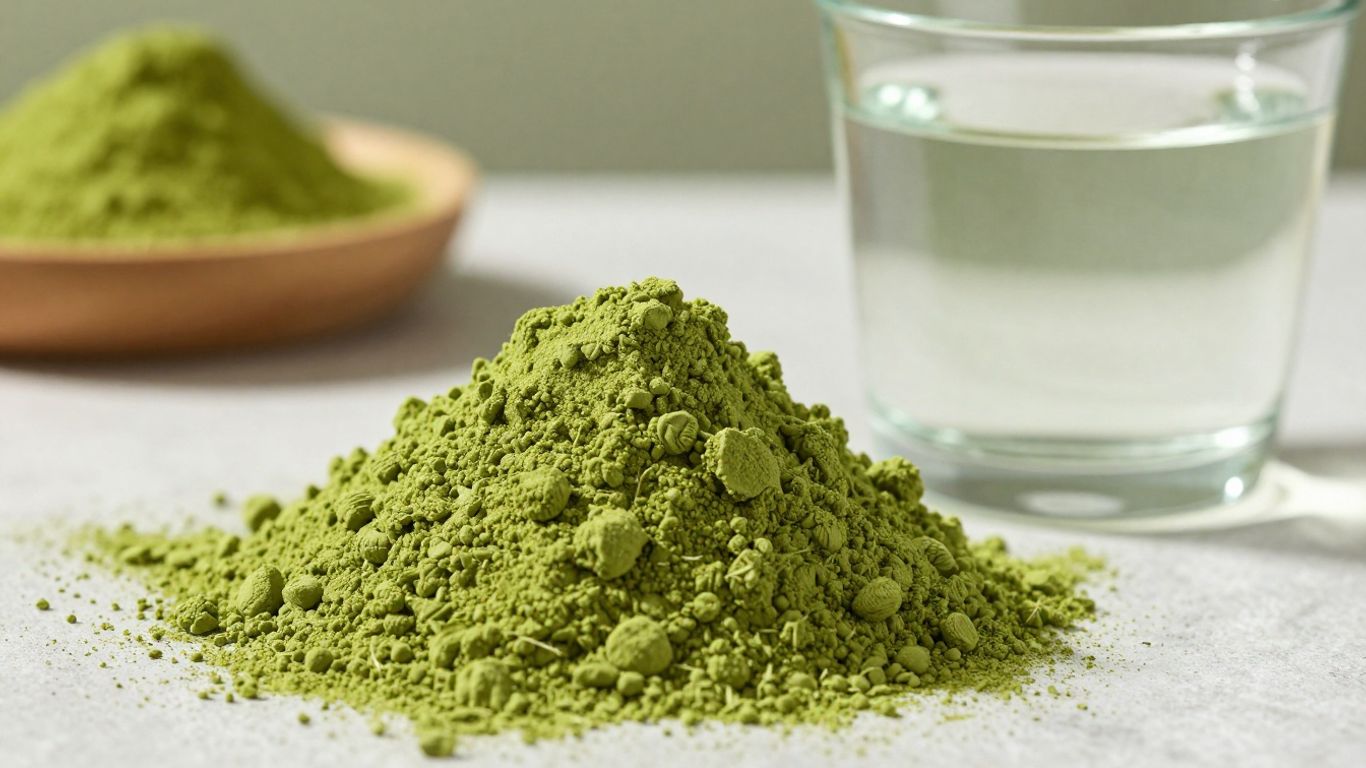
Intermittent fasting, or IF, is a way of eating that focuses on when you eat, rather than what you eat. It's a pattern that cycles between periods of eating and voluntary fasting. Think of it as structuring your day or week to include specific times for meals and specific times for abstaining from food. This approach has gained a lot of attention lately, and for good reason. It's not really a diet in the traditional sense, but more of an eating schedule. For us here in Australia, where we appreciate a good cuppa and a mindful moment, IF can fit quite nicely into our daily routines, especially when we're looking to enjoy authentic Japanese matcha.
What Constitutes a Fasting Period?
At its core, a fasting period is simply a time when you voluntarily abstain from consuming calories. This means no food, and typically, no calorie-containing beverages. The length of this period can vary greatly depending on the IF method you choose. Some people opt for shorter daily fasts, like a 16-hour fast with an 8-hour eating window, while others might do longer fasts a couple of times a week. The key is that during this time, your body isn't processing food, which allows it to shift into a fasted state. This is the foundation upon which all IF benefits are built. Understanding this simple definition is the first step to successfully incorporating IF into your lifestyle.
The Science Behind Fasting's Effects on the Body
When you fast, your body undergoes several metabolic changes. After a certain period without food, your body depletes its readily available glucose stores and starts to tap into stored fat for energy. This process is often linked to weight management and improved metabolic health. Furthermore, fasting can trigger cellular repair processes, like autophagy, where your body cleans out damaged cells and regenerates newer, healthier ones. It can also influence hormone levels, such as insulin, which tends to decrease during fasting, making stored fat more accessible. These physiological shifts are what proponents believe contribute to the various health benefits associated with IF.
Common Intermittent Fasting Approaches
There are several popular ways to practice intermittent fasting, each with its own structure:
- The 16/8 Method: This is perhaps the most common approach. You fast for 16 hours each day and restrict your eating to an 8-hour window. For example, you might eat between 12 pm and 8 pm, fasting the rest of the time.
- The 5:2 Diet: With this method, you eat normally for five days of the week and then restrict your calorie intake to about 500-600 calories on two non-consecutive days.
- Eat Stop Eat: This involves a 24-hour fast once or twice a week. For instance, you might finish dinner on Monday and not eat again until dinner on Tuesday.
Each of these methods aims to create periods of fasting to allow the body to experience the benefits of not processing food. Choosing the right method often comes down to personal preference, lifestyle, and what feels sustainable for you. For those of us who enjoy a mindful moment with a quality brew, like the authentic Japanese matcha we import from Uji and Yame, fitting it into an IF schedule is definitely achievable with a bit of planning. Intermittent fasting is an eating pattern that cycles between periods of eating and voluntary fasting.
The Nutritional Profile of Matcha Powder
What Makes Matcha Unique?
Matcha isn't just any green tea; it's a whole different ballgame. Unlike the steeped teas you might be used to, matcha involves consuming the entire tea leaf, ground into a fine powder. This process is pretty special. The tea plants are shade-grown for about three to four weeks before harvest, which really ramps up their chlorophyll and amino acid content. This shade-growing technique is key to that vibrant green colour and the unique flavour profile. As a result, you're getting a much more concentrated dose of everything the tea leaf has to offer. It's this whole-leaf consumption that sets matcha apart and contributes to its reputation. We're proud to import authentic Japanese matcha from Uji and Yame, regions renowned for this meticulous cultivation.
Key Nutrients and Antioxidants in Matcha
So, what exactly are you getting in that vibrant green powder? Matcha is packed with goodness. It's particularly rich in antioxidants, especially catechins like EGCG (epigallocatechin gallate). These compounds are known for their ability to combat cell damage. You'll also find a good amount of L-theanine, an amino acid that promotes relaxation and focus without drowsiness, and caffeine, which provides a gentle energy lift. The high chlorophyll content, a direct result of the shade-growing process, also contributes to its health profile. It's a nutrient-dense beverage that offers a different kind of energy compared to coffee.
Here's a quick look at what you might find:
- Antioxidants: High levels of catechins (like EGCG).
- Amino Acids: Notably L-theanine.
- Vitamins: Including Vitamin C.
- Minerals: Such as potassium and iron.
- Chlorophyll: Responsible for the vibrant green colour and detoxifying properties.
Comparing Matcha to Other Beverages
When you stack matcha up against other common drinks, its unique position becomes clear. Coffee, for instance, offers a strong caffeine hit but can sometimes lead to jitters and a subsequent crash. Matcha, with its combination of caffeine and L-theanine, tends to provide a more sustained, calm energy. Compared to regular steeped green tea, matcha delivers a significantly higher concentration of nutrients and antioxidants because you're consuming the whole leaf. Even compared to other popular beverages, like those found in fast-paced coffee shops, pure matcha stands out. Many commercial 'matcha lattes' can be loaded with sugar, which can negate many of the health benefits and is something to be mindful of. For those seeking a pure, beneficial beverage, authentic Japanese matcha is a top choice.
Does Matcha Powder Break a Fast?
This is the million-dollar question for many intermittent fasters looking to enjoy a comforting cup of tea. As a local Australian importer of authentic Japanese matcha from Uji and Yame, we understand the nuances of this incredible beverage. So, let's get straight to it: does pure matcha powder break a fast?
The Calorie Content of Matcha
When we talk about breaking a fast, we're primarily concerned with calorie intake. Calories signal to your body that it's time to switch out of fasting mode and into a fed state. Pure matcha powder, when prepared simply with hot water, contains a very minimal amount of calories. We're talking about roughly 1-2 calories per serving (about 1 teaspoon or 2 grams). This tiny caloric load is generally considered negligible by most intermittent fasting protocols. For most people, a simple cup of pure matcha made with water will not break a fast.
Impact of Matcha on Ketosis and Autophagy
Intermittent fasting is often pursued for its metabolic benefits, such as promoting ketosis (burning fat for fuel) and autophagy (cellular cleanup). The minimal calories and carbohydrates in pure matcha are unlikely to significantly disrupt ketosis. The L-theanine, an amino acid found abundantly in matcha, is also thought to potentially support some of the cellular benefits associated with fasting, though research is ongoing. However, it's important to be mindful of how you prepare your matcha, as this can change its impact.
Considering Additives in Matcha Preparations
This is where things can get tricky. While pure matcha is generally fasting-friendly, many popular matcha preparations are not. Think about the delicious matcha lattes you might get from a cafe. These often contain:
- Milk (dairy or non-dairy, both add calories and macronutrients)
- Sweeteners (sugar, syrups, honey – all significant calorie and carbohydrate sources)
- Flavored powders or syrups
These additions can easily push a drink from a fasting-friendly beverage to one that will definitely break your fast. Even artificial sweeteners are a grey area for some fasters, with varying opinions on whether they can trigger an insulin response. The World Health Organization advises against using non-sugar sweeteners for weight control, and some studies suggest they might still impact metabolic processes [84c6]. Always check the ingredients if you're purchasing a pre-made matcha drink or adding anything to your own preparation.
Navigating Matcha Consumption During Your Fast
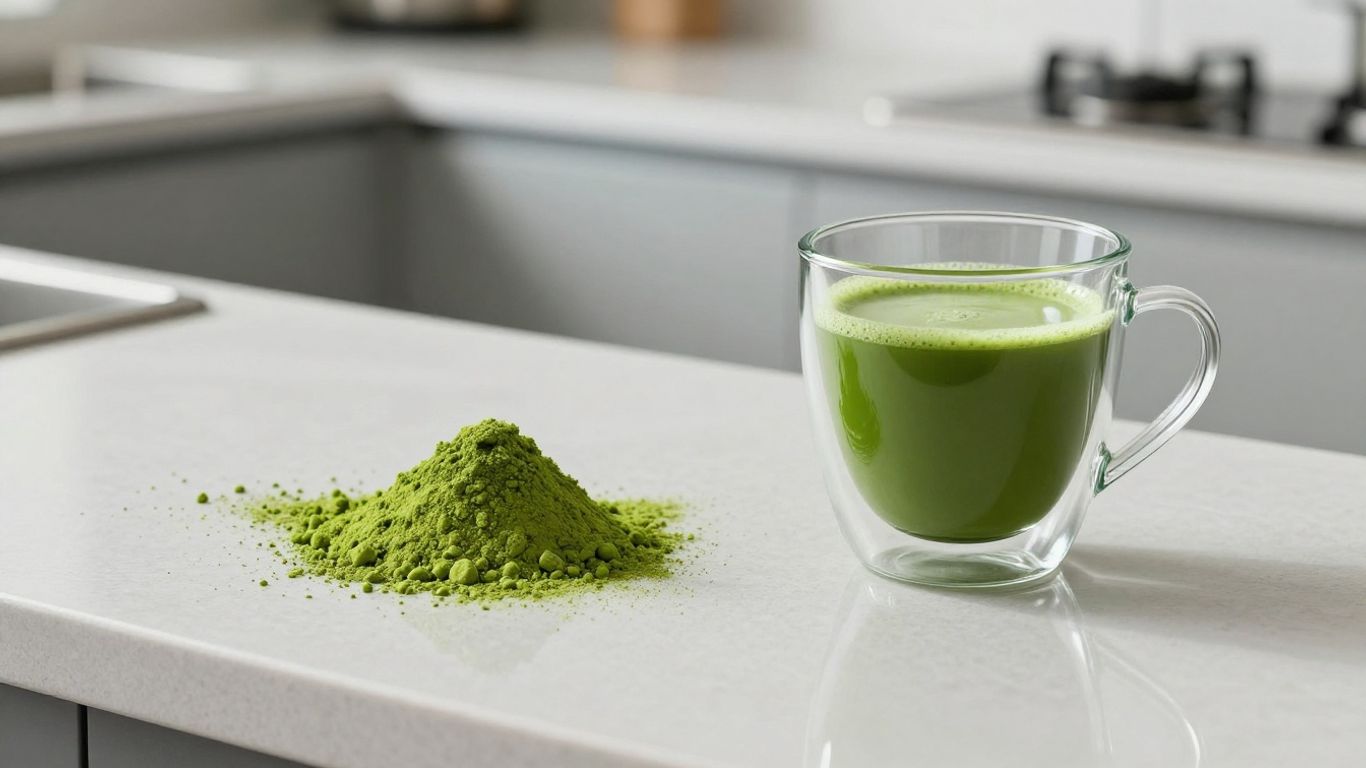
So, you're keen on intermittent fasting and also love a good cuppa. That's where matcha comes in, right? It's a bit of a grey area for some, but let's clear things up. As a local Australian importer of authentic Japanese matcha from Uji and Yame, we've seen a lot of questions about how this vibrant green tea fits into a fasting routine.
Pure Matcha vs. Matcha Lattes
This is where things can get tricky. When we talk about pure matcha, we're talking about just the finely ground powder of specially grown and processed green tea leaves, mixed with hot water. It's pretty much just tea and water. A traditional matcha preparation, like us Aussies might enjoy it, is usually just that – pure matcha. This kind of drink has a very low calorie count, often negligible, and is generally considered safe to consume during a fasting period. It's a far cry from the sugary concoctions you might find elsewhere.
However, the popular matcha latte is a different story. These often contain significant amounts of milk (dairy or non-dairy) and added sweeteners. Milk, even a splash, introduces calories and can trigger an insulin response, which effectively breaks your fast. Sweeteners, whether sugar or artificial, also have their own implications, which we'll get to next.
Sweeteners and Their Effect on Fasting
Adding anything to your matcha beyond water is where you risk breaking your fast. Even a small amount of sugar or honey will introduce calories and spike your blood sugar and insulin levels. This means your body will stop the fasting processes it was undertaking.
What about artificial sweeteners? The jury is still out on these. Some research suggests that even non-caloric sweeteners might affect your gut microbiome or trigger an insulin response in some individuals. The World Health Organization advises against using non-sugar sweeteners for weight control, and it's wise to be cautious if your primary goal is to maintain a fasted state. For the strictest approach to intermittent fasting, it's best to avoid all sweeteners.
Strategic Timing for Matcha Enjoyment
If you're looking to enjoy matcha without breaking your fast, timing is everything. The simplest approach is to consume your pure matcha during your eating window. This way, you get all the benefits and flavour without any fasting disruption.
Some people choose to have a small amount of pure matcha during their fasting window, especially if they need a little energy boost. The key here is to stick to just the matcha powder and hot water. If you're unsure, it's always best to err on the side of caution and save your matcha for when you're eating. Remember, the quality of your matcha matters too; our authentic Japanese matcha is a pure, unadulterated experience.
When considering any food or drink during intermittent fasting, always think about its potential impact on your body's metabolic state. For pure matcha, the impact is minimal, but additions can change everything. It's about making informed choices that align with your fasting goals.
Potential Benefits and Considerations for Matcha Drinkers
Matcha's Role in a Healthy Lifestyle
Matcha, with its vibrant green hue and unique preparation, offers more than just a delightful flavour. As a finely ground powder of specially grown and processed tea leaves, it packs a punch of nutrients and antioxidants. Unlike other teas, you consume the whole leaf, meaning you get a more concentrated dose of goodness. This makes it a fantastic addition to a balanced diet, potentially offering a healthier alternative to your usual morning coffee or afternoon pick-me-up. For those of us here in Australia who appreciate quality tea, understanding what makes matcha special is key. We source our authentic Japanese matcha directly from the renowned regions of Uji and Yame, ensuring you receive the finest quality.
When to Seek Professional Nutritional Advice
While matcha can be a beneficial part of a healthy lifestyle, it's important to remember that individual nutritional needs vary greatly. Factors like age, existing health conditions, and any medications you might be taking can all influence how your body responds to different foods and drinks. If you're looking to make significant dietary changes or have specific health goals, consulting with a registered dietitian or nutritionist is always a good idea. They can help you sort through the hype and provide personalised advice tailored to your unique situation. Remember, no single food is a magic bullet, but when incorporated thoughtfully, matcha can certainly contribute positively.
The Importance of Authentic Matcha
Not all matcha is created equal, and this is especially true when considering its impact on your fasting goals. The way matcha is grown, processed, and prepared can significantly alter its nutritional profile. For instance, many commercial matcha lattes found in cafes can be loaded with sugar, which will definitely break your fast and can even contribute to inflammation, undermining the benefits of the tea itself. It's crucial to opt for pure, ceremonial-grade matcha, like the kind we import from Japan. This ensures you're getting the full antioxidant benefits without any unwanted additives. Being mindful of what goes into your cup is just as important as when you drink it, especially when you're trying to maintain a fasting state. Minimising sugar intake is key to truly benefiting from matcha's antioxidant benefits.
Thinking about adding matcha to your daily routine? It's packed with good stuff that can help you feel great. From giving you a calm energy boost to providing antioxidants, there are many reasons to enjoy this green tea. Want to learn more about how matcha can fit into your life and discover the best ways to enjoy it? Visit our website for all the details and to explore our selection of pure matcha.
So, Can You Drink Matcha While Fasting?
Alright, let's wrap this up. When it comes to intermittent fasting, the big question is always about what breaks your fast. We've looked at matcha, and here's the lowdown: a plain, unsweetened matcha tea, made with just water, is generally considered okay for most fasting protocols. It has very few calories and carbs, so it's unlikely to trigger a significant insulin response that would end your fast. Think of it like black coffee or plain tea – a little something to keep you going without derailing your progress. However, if you're adding milk, sugar, or any sweeteners, you're likely stepping out of your fasting window. It's always a good idea to check with your healthcare provider or a registered dietitian if you have specific health concerns or are following a strict fasting plan. Happy fasting, and enjoy your matcha responsibly!
Frequently Asked Questions
What exactly is intermittent fasting?
Intermittent fasting is like a schedule for when you eat and when you don't eat. It's not about what foods you eat, but rather when you eat them. You pick a period of time to fast, meaning no food or drinks with calories, and then you have a window of time to eat normally. It's a way some people try to help their bodies work better or lose weight.
Does drinking plain matcha tea break my fast?
If you're drinking pure matcha powder mixed with just water, it's generally considered okay for most intermittent fasting plans. Matcha has very few calories, so it usually doesn't kick your body out of its fasting state. Think of it like black coffee or plain tea – a little bit of something with almost no calories is usually fine.
What if I add milk or sugar to my matcha?
Adding things like milk, cream, or sugar to your matcha will definitely break your fast. These ingredients have calories and can cause your body to start digesting food, which is the opposite of what you want when you're fasting. So, if you're fasting, stick to just matcha and water.
Can I drink matcha lattes during my fasting window?
Matcha lattes, the kind you get from coffee shops, usually have a lot of milk, sugar, and other flavorings. All of these things contain calories and will break your fast. If you want to enjoy matcha while fasting, it's best to have it plain with water.
What are the benefits of drinking matcha?
Matcha is special because it's made from finely ground green tea leaves. This means you get more nutrients and antioxidants than you would from regular green tea. It's packed with good stuff that can help protect your body's cells. Plus, it has caffeine to give you a bit of energy.
Should I talk to a doctor before trying matcha with intermittent fasting?
It's always a good idea to chat with a doctor or a registered dietitian before making big changes to your diet, like adding intermittent fasting or new drinks like matcha. They can give you advice that's just right for you, especially if you have any health conditions or take medicines. They can help you figure out if matcha fits into your fasting plan safely.

