

So, you're curious about making that vibrant green matcha tea and wondering, does matcha powder dissolve? It's a common question, especially when you see those little clumps that sometimes show up. Unlike sugar or instant coffee, matcha behaves a bit differently. It's actually made from finely ground tea leaves, and how it mixes with water has a lot to do with science. Let's break down why your matcha might look a little lumpy and how to get that smooth, delicious brew everyone talks about.
Key Takeaways
- Matcha powder doesn't truly dissolve; it forms a suspension of tiny tea leaf particles in water.
- The fine milling of matcha creates very small particles that behave uniquely in liquid.
- Sifting matcha before whisking is important to break up clumps and achieve a smoother texture.
- Proper whisking with a bamboo whisk helps suspend the particles, creating a frothy mixture rather than a dissolved one.
- Water temperature, particle size, particle shape, and storage all influence how well matcha mixes.
Understanding Matcha's Unique Texture
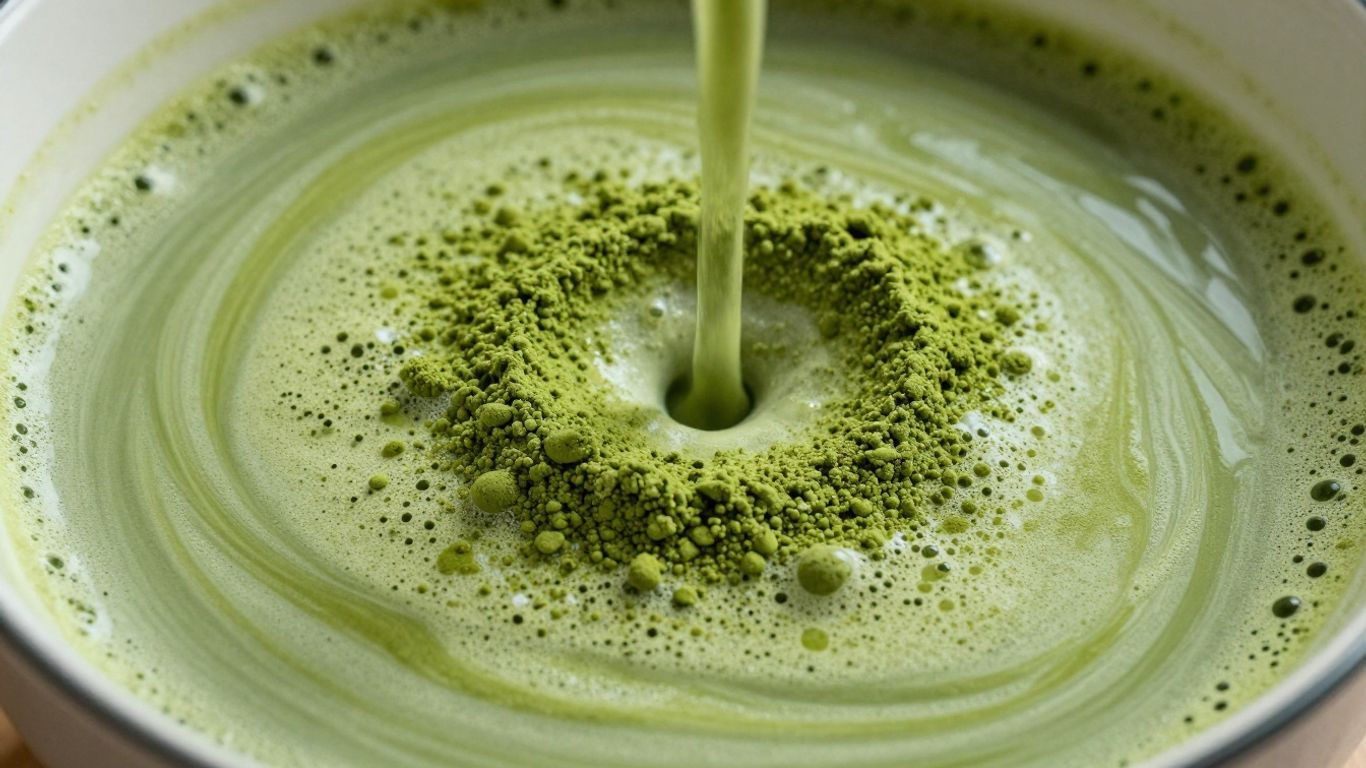
Matcha, that vibrant green powder we all love, has a texture that can sometimes surprise people. It's not quite like instant coffee that dissolves completely, and that's a good thing! It's actually a suspension, meaning the tiny tea particles are dispersed throughout the water rather than fully dissolving. Think of it like a very fine dust mixed into liquid. This unique characteristic comes down to a few key scientific principles.
The Science of Matcha Suspension
When you add matcha to water, you're creating a suspension. Unlike coffee grounds, which are filtered out, we consume the entire tea leaf in matcha. This means the particles are incredibly fine, often between 5-15 microns. At this size, the particles don't just sink straight to the bottom. Instead, they engage in a sort of dance between gravity pulling them down and Brownian motion, the random jiggling of particles in liquid, keeping them suspended. This delicate balance is what gives matcha its characteristic mouthfeel. Over time, gravity does win, and some settling will occur, which is why freshly whisked matcha is always best.
Particle Size and Its Impact
The fineness of the matcha powder is a big deal. Generally, the smaller the particles, the more surface area they have. This increased surface area can make them stick together more, forming clumps that are harder to break apart. While we aim for very fine particles, too small can actually make whisking a bit trickier. Most high-quality matcha, like the ceremonial grades we import from Uji and Yame in Japan, falls within a range that balances fineness with good suspension properties. It's a sweet spot that allows for that smooth texture without excessive clumping.
The Role of Particle Shape
It's not just about size; the shape of the matcha particles matters too. Matcha milled using traditional stone mills (ishi usu) tends to have jagged, irregular shapes. These irregular shapes interact with water differently than perfectly spherical particles, which can result from industrial ball milling. The jagged edges help the particles stay suspended for longer, contributing to a richer, more stable brew. This is one of the reasons why traditional milling methods, though slower, produce such a superior texture. You can often feel this difference if you rub a bit of high-grade matcha between your fingers – it feels a little more 'sticky' or resistant compared to a very smooth, almost silky industrial grind.
Achieving a Smooth Matcha Brew
Getting that perfect, smooth cup of matcha, free from annoying lumps, is something many of us strive for. It's not magic, just a bit of know-how and the right technique. As a local Australian importer of authentic Japanese matcha from Uji and Yame, we've seen firsthand how a few simple steps can transform your brew from lumpy to luscious.
The Importance of Sifting
Before you even think about adding water, grab a fine-mesh sieve. This is probably the most important step for a smooth drink. Sifting your matcha powder breaks up any small clumps that might have formed during transport or storage. It’s like preparing a canvas before painting – you need a smooth surface to start with. We recommend sifting about 1-2 teaspoons (around 2-4 grams) directly into your bowl. This simple action makes a huge difference in how easily the powder will mix.
Creating a Paste for Smoothness
Once your matcha is sifted, it's time to introduce a small amount of water. Don't just dump all your water in at once. Instead, add just a splash – maybe a tablespoon or two – of warm water (around 70-80°C or 160-175°F is ideal). Using your bamboo whisk, or chasen, gently mix this small amount of water with the sifted powder. The goal here is to create a thick, smooth paste. Work out any lumps you see. This paste ensures that every bit of matcha powder is hydrated before you add the rest of your liquid, which is key to avoiding those dreaded clumps. This method is particularly helpful if you're using water that's a bit cooler, as it helps the powder incorporate better. See temperature tips.
Mastering the Whisking Technique
With your paste made, you can now add the rest of your water (about 60-90 ml or 2-3 ounces). Now comes the whisking. Forget stirring in circles; that just pushes clumps around. Instead, use a rapid "W" or "M" motion, moving the whisk back and forth across the bottom of the bowl. Keep your wrist loose and focus on creating a fine froth on the surface. Whisk for about 20-30 seconds until you see a beautiful, creamy foam. This vigorous whisking not only creates that lovely texture but also helps to suspend the matcha particles, preventing them from settling too quickly at the bottom. If you're making a matcha latte, this concentrated paste method works wonders for a clump-free latte every time.
The right water temperature is also a big player here. Too hot, and you risk scorching the delicate leaves, leading to bitterness. Too cool, and the powder won't properly dissolve, leaving you with a weak flavour and those annoying lumps. Aiming for around 70-80°C (160-175°F) is generally the sweet spot for a balanced flavour and good suspension.
Here’s a quick rundown of the steps:
- Sift: Always sift your matcha through a fine-mesh sieve.
- Paste: Mix sifted matcha with a small amount of warm water to form a smooth paste.
- Whisk: Use a rapid "W" or "M" motion to create froth and suspend the powder.
- Enjoy: Drink your matcha immediately for the best texture and flavour.
Factors Influencing Matcha's Behavior
When you're aiming for that perfect, smooth cup of matcha, a few things really make a difference in how the powder behaves in your water. It's not just about dumping powder and water together; there's a bit of science at play, and understanding it helps a lot. As a local Australian importer of authentic Japanese matcha from Uji and Yame, we've seen firsthand how these elements affect the final brew.
Water Temperature: A Delicate Balance
This is probably the biggest player. The temperature of your water dictates how quickly the matcha particles hydrate and how well they disperse. Think of it like this: too cold, and the particles don't fully absorb the water, leading to more clumps and a less stable suspension. Too hot, and you risk scalding the delicate compounds, bringing out a harsh bitterness that masks the lovely umami notes. We're aiming for that sweet spot.
- Ideal Range: Generally, between 70-80°C (158-176°F) is your best bet for a balanced flavour and good suspension.
- Lower End (around 70°C): This temperature is great for coaxing out the L-theanine, which gives matcha its smooth, calming, and savoury taste, while keeping bitterness low.
- Higher End (around 80°C): This can extract more of the tea's character, but push it much past this, and those bitter catechins start to dominate.
The goal with water temperature is to gently encourage the release of desirable flavour compounds and nutrients without aggressively extracting the bitter elements. It's a careful dance to preserve that vibrant colour and rich umami.
The Influence of Water Quality
While temperature gets a lot of attention, the water you use also matters. Tap water, especially if it's heavily treated or has a strong mineral content, can affect the taste and how the matcha mixes. Filtered or spring water is often recommended because it's neutral and won't interfere with the delicate flavour of the matcha. We've found that using good quality water really lets the authentic Japanese matcha shine through.
Proper Storage for Optimal Mixing
How you store your matcha powder can also impact its mixability. Matcha is sensitive to light, air, and moisture. If it's not stored correctly, it can degrade, affecting not only the flavour but also how well it suspends. Always keep your matcha in an airtight container, preferably in a cool, dark place. For longer storage, the fridge can be an option, but make sure it's sealed well to prevent condensation. This helps maintain the powder's fine texture, which is key for a smooth brew.
| Storage Factor | Impact on Mixing |
|---|---|
| Air Exposure | Can cause oxidation, affecting texture and clumping. |
| Light Exposure | Degrades chlorophyll and antioxidants, potentially altering flavour and suspension. |
| Moisture | Leads to clumping and makes it harder to whisk smoothly. |
| Temperature | Extreme heat can degrade the powder; consistent cool temperatures are best. |
Exploring Different Matcha Preparation Methods
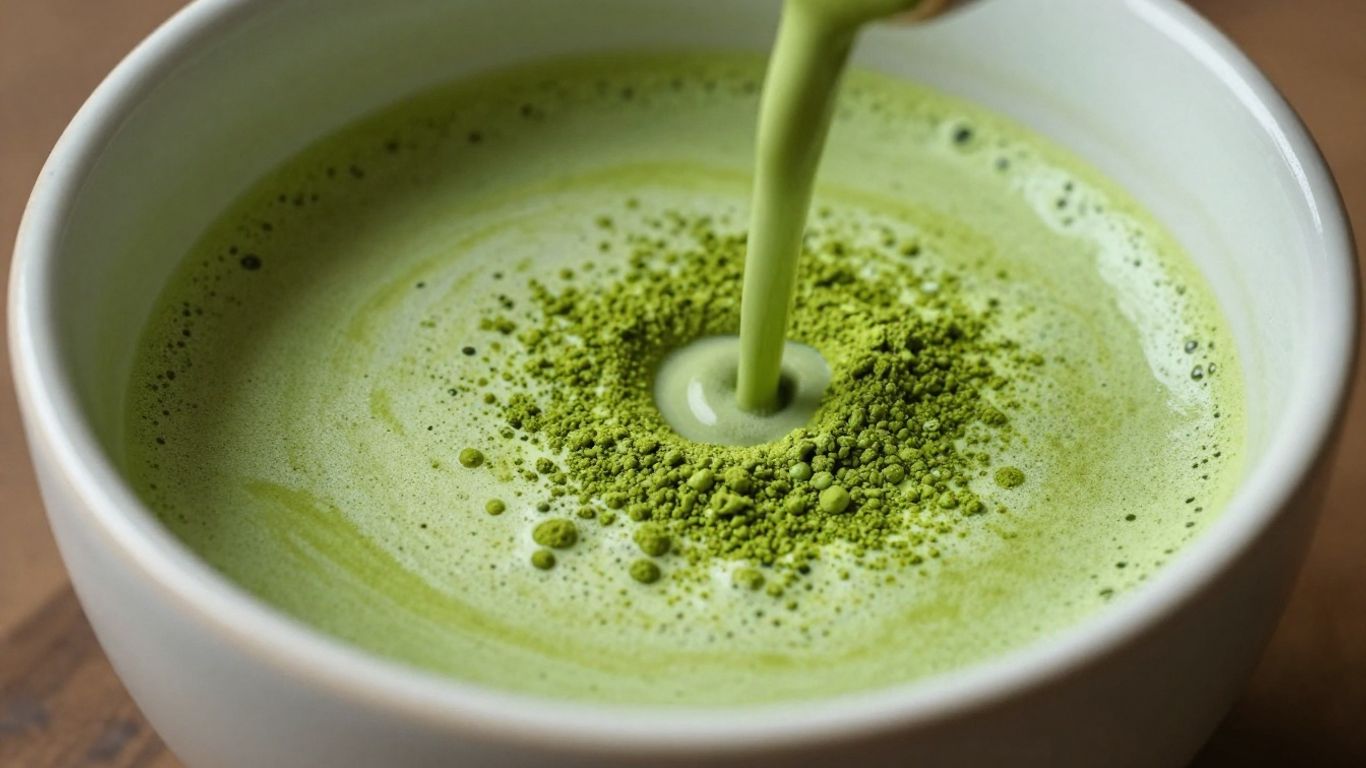
When you're getting into matcha, especially if you're keen on replicating that perfect cup you've had at a cafe or want to impress guests, the method really matters. It's not just about dumping powder into water; there's a bit of an art to it, and knowing the differences between how you prepare it can change everything. As a local Australian importer of authentic Japanese matcha from Uji and Yame, we've seen firsthand how different approaches can bring out the best in these incredible teas.
The Art of Hot Matcha Preparation
Making hot matcha traditionally is a beautiful ritual. It's all about coaxing out the delicate, nuanced flavours of the tea. The goal here isn't just to mix the powder, but to create a smooth, frothy beverage that's a pleasure to drink.
Here’s a breakdown of how to get that classic hot matcha just right:
- Sift the Matcha: Always start by sifting your matcha powder through a fine-mesh sieve into your bowl. This is a non-negotiable step to break up any clumps and ensure a silky texture. We recommend about 1-2 teaspoons (2-4 grams) per serving.
- Create a Paste: Add just a small splash of hot water (around 1-2 tablespoons) to the sifted powder. Using a bamboo whisk (chasen), gently mix this into a smooth, thick paste. Make sure there are no dry spots or lumps remaining.
- Add Remaining Water: Slowly pour in the rest of your hot water, typically 2-3 ounces (60-90 ml). The water should be hot but not boiling, ideally between 70°C and 80°C (158°F to 176°F). Boiling water can scorch the delicate powder and make it taste bitter.
- Whisk to Froth: Now for the whisking! Use a rapid "W" or "M" motion, keeping your wrist loose. Focus on creating a fine, creamy foam on the surface. This aeration is key to the traditional matcha experience.
Remember, matcha doesn't truly dissolve like sugar; it suspends in water. Proper whisking helps keep the particles evenly distributed for a smooth mouthfeel. Enjoy it immediately after preparation to get the best texture and flavour.
Discovering the Smoothness of Cold Brew Matcha
Cold brew matcha offers a different, often smoother, and less bitter profile. It's fantastic for warmer days or for those who find traditional hot matcha a bit too intense. The process is simpler and requires less vigorous whisking.
- Sift: Just like with hot matcha, sifting is important to prevent clumps. Sift 1-2 teaspoons of matcha into a glass or shaker.
- Add Cold Water: Pour in about 2-3 ounces (60-90 ml) of cold, filtered water.
- Shake or Whisk: You can either use a cocktail shaker and shake vigorously until well combined and slightly frothy, or use a bamboo whisk or even an electric frother to mix it thoroughly. The key is to ensure all the powder is incorporated.
- Add Ice & More Liquid: Add ice and top up with more cold water, milk, or your preferred liquid. Stir gently to combine.
Cold brewing can sometimes result in less froth than hot preparation, but it yields a wonderfully smooth and refreshing drink. It's a great way to enjoy the benefits of matcha without the heat. For a more concentrated base, you can try making a matcha shot first, even with cold water.
Alternative Tools for a Frothy Finish
While the bamboo whisk (chasen) is the traditional and often preferred tool for its ability to create that perfect froth, there are other options that can help you achieve a smooth brew, especially if you're just starting out or don't have a chasen handy.
- Electric Milk Frother: These battery-operated frothers are fantastic for quickly creating a foamy texture. Simply whisk the matcha paste with a little hot water, then use the frother to whip it up. They're also great for matcha lattes.
- Small Whisk or Fork: In a pinch, a small, fine-tined fork or a small whisk can work. You'll need to be more diligent in breaking up clumps and creating froth, but it's certainly possible.
- Shaker Bottle: As mentioned in the cold brew section, a shaker bottle is excellent for both cold and even slightly warm preparations. Just add your sifted matcha, a small amount of liquid to make a paste, then add the rest of your liquid, seal tightly, and shake vigorously.
For those looking for a thicker, more intense matcha experience, the traditional Koicha preparation uses a specific method with less water and gentle stirring rather than whisking, resulting in a smooth, foam-free consistency. Experimenting with these methods will help you find your favourite way to enjoy this amazing tea.
Addressing Common Matcha Preparation Challenges
Even with the finest Japanese matcha, like the authentic Uji and Yame varieties we import, you might run into a few hiccups when preparing your brew. Don't let a few lumps or a less-than-perfect texture get you down! These are super common, and honestly, they're usually pretty easy to fix. It's all about understanding how matcha behaves.
Why Lumps Form in Matcha
Matcha isn't like instant coffee or sugar; it doesn't truly dissolve. Instead, it suspends in water. The finely ground tea leaves, while beautiful, have a tendency to clump together, especially if they encounter any moisture or aren't stored just right. Think of it like flour – if you just dump it into water, you'll get lumps. The same principle applies here. The key is to help each tiny particle get fully hydrated.
Tips for Minimizing Settling
Settling is what happens after you've made your matcha and it's been sitting for a bit. Those lovely suspended particles start to drift back down to the bottom of your bowl or cup. To keep your brew smooth from the first sip to the last, try these tricks:
- Sift, Sift, Sift: Before you even add water, pass your matcha through a fine-mesh sieve. This is the single most effective way to break up any pre-existing clumps and aerate the powder, making it easier to mix.
- Make a Paste First: Add just a small amount of warm water (around 70-80°C or 158-176°F) to your sifted matcha. Use your bamboo whisk (chasen) to mix this into a thick, smooth paste. This ensures every bit of powder is moistened before you add the rest of your liquid.
- Whisk with Purpose: Once you've added the remaining water, whisk vigorously in a 'W' or 'M' motion. This isn't about stirring; it's about creating agitation to keep the particles suspended and developing that desirable frothy layer.
- Use the Right Water: Avoid using very hard water. The minerals can sometimes interfere with how the matcha mixes. Filtered or soft water generally works best.
The goal with matcha isn't to make it disappear into the water, but to create a stable suspension. This means proper preparation is key to enjoying its full texture and flavour profile. Remember, the finer the grind, the more surface area there is for particles to stick together, making that initial sifting and paste-making step so important.
Sweetened Matcha vs. Pure Matcha
When you add sweeteners like honey, agave, or even sugar, they can sometimes help with the suspension process. The sugars, when dissolved, can act as a sort of binding agent, helping to keep the matcha particles dispersed a little longer. This is why some people find sweetened matcha lattes or drinks settle less noticeably than a pure, unsweetened bowl of matcha. However, for the purest experience of the tea's natural flavour and texture, we always recommend trying it straight first. You might be surprised by the subtle sweetness and complexity you discover, especially with high-grade matcha from regions like Uji.
If you're still finding lumps, don't get discouraged! It just means you're learning the nuances of this incredible tea. With a little practice and these tips, you'll be enjoying perfectly smooth matcha every time.
Having trouble making the perfect cup of matcha? Don't worry, many people face similar issues when they first start. From getting that smooth, frothy texture to avoiding clumps, these common problems can be frustrating. But with a few simple tips and tricks, you can easily overcome these hurdles and enjoy delicious, authentic matcha every time. Visit our website for easy-to-follow guides and solutions to all your matcha preparation questions!
So, Does Matcha Dissolve?
Alright, so we've gone through the ins and outs, and the short answer is: no, matcha powder doesn't really dissolve like sugar does. It's more about creating a suspension, which is why you might see those little clumps or some settling at the bottom if you let it sit. But don't let that put you off! With a few simple tricks, like sifting the powder and using a good whisking technique with the right water temperature, you can get a really smooth, enjoyable cup. It's all part of the process, and honestly, that little bit of effort is what makes the matcha ritual so special. We're here to help you get the best brew every time, so keep practicing, and let's enjoy this amazing tea together!
Frequently Asked Questions
Why does my matcha get lumpy?
Matcha powder is made from finely ground tea leaves, not something that completely dissolves like sugar. These tiny leaf particles can stick together, especially if they get a bit damp or aren't stored perfectly. Think of it like very fine flour – it can clump up too!
Can I just stir matcha with a spoon to mix it?
While stirring might break up some clumps, it won't create the smooth, frothy drink you want. A special bamboo whisk, called a 'chasen,' is designed to properly mix the matcha particles into the water, making a nice suspension and a creamy texture.
What's the best water temperature for making matcha without lumps?
You want your water to be warm, but not boiling! Aim for around 160°F to 175°F (70°C to 80°C). Water that's too hot can make the matcha taste bitter and might even make clumping worse, while water that's too cool won't mix it properly.
Is it really important to sift my matcha powder?
Yes, sifting is a super helpful step! It breaks up any clumps before you even add water, making it much easier to get a smooth, lump-free matcha. It also helps the powder mix in better.
What if I still see a few lumps after whisking?
Don't worry if a tiny bit remains! You can gently scoop out any remaining lumps with a small spoon. They're not harmful, but they can change the texture a little. The best way to avoid this is to drink your matcha right after you make it.
Does adding milk help matcha dissolve better?
Milk doesn't actually help matcha dissolve. It's best to mix the matcha powder with water first to create a smooth paste without lumps, and then add milk if you like. Sweetened matcha mixes might have added ingredients that dissolve more easily, but pure matcha needs proper whisking.

