

So, you've got some matcha powder and you're wondering, does matcha powder expire? It's a common question, and the short answer is, it doesn't really 'expire' like milk or bread. Instead, it fades. Think of it less like a hard deadline and more like a prime time. Matcha is a delicate thing, a finely ground powder that's super sensitive to its surroundings. Over time, it loses that vibrant green color, its fresh aroma, and that lovely, smooth flavor we all love. This guide is all about understanding that timeline, why it happens, and how to keep your matcha tasting great for as long as possible.
Key Takeaways
- Matcha powder doesn't expire in a way that makes it unsafe, but it does lose its best flavor, color, and aroma over time.
- Exposure to air, light, heat, and moisture are the main culprits that cause matcha to degrade.
- Unopened matcha generally stays at its best for about 6-12 months from when it was milled, while opened matcha is best used within 4-8 weeks for peak quality.
- Look for visual cues like dull color, a faint or flat smell, and a bitter taste to tell if your matcha has lost its freshness.
- Storing matcha in an airtight, opaque container in a cool, dark place, and keeping it sealed after each use will help preserve its quality.
Understanding Matcha's Shelf Life
Does Matcha Powder Truly Expire?
Matcha powder doesn't really 'expire' in the way milk or bread does. It won't suddenly become unsafe to consume. Instead, think of it more like a fine wine or a fresh herb – it has a peak period where its flavour, aroma, and vibrant green colour are at their absolute best. After this window, it gradually starts to fade. As a local Australian importer of authentic Japanese matcha from Uji and Yame, we see this firsthand. The delicate qualities that make high-grade matcha so special begin to diminish over time, especially once the tin is opened.

Does Matcha Powder Truly Expire?
The Concept of Peak Freshness
For us, peak freshness is all about sensory experience. It's that bright, electric green colour, the sweet, grassy aroma, and that rich, umami flavour with a smooth finish. This is when the matcha is most vibrant and enjoyable, particularly for traditional preparation methods like usucha (thin tea). This peak quality is what we aim to deliver to you, and it's what you should look for when enjoying your matcha.
Factors Influencing Matcha Longevity
Several things affect how long your matcha stays at its best:
- Packaging: How the matcha is sealed plays a big role. Nitrogen-flushed tins or foil pouches that remove air help slow down the fading process significantly compared to simple plastic bags.
- Storage Conditions: Exposure to light, heat, and moisture are the main enemies of matcha freshness. Keeping it cool, dark, and dry is key.
- Grade of Matcha: Higher grades, with their more subtle and delicate flavours, can sometimes appear to fade faster in terms of sensory appeal than culinary grades.
- Time Since Milling: Like any agricultural product, the fresher the matcha, the longer it will retain its optimal qualities. We always strive to source the most recently milled matcha possible for our Australian customers.
While matcha doesn't spoil like a carton of milk, its quality is a spectrum. The goal is to enjoy it when it's at its most vibrant, and to understand that its character will change over time, much like a fresh bloom.
The Science Behind Matcha Degradation
Matcha, unlike many other teas, is a finely ground powder. This means its delicate compounds are more exposed to the elements, leading to a faster decline in quality if not stored properly. Think of it like a freshly cut apple – it starts to brown pretty quickly once exposed to air. Matcha is similar, but instead of browning, it loses its vibrant colour, aroma, and flavour.
The Impact of Oxidation on Matcha
Oxidation is the primary culprit behind matcha losing its freshness. When matcha powder comes into contact with oxygen, chemical reactions begin to break down its key components. This process is what causes that beautiful, bright green colour to fade and the nuanced flavour profile to become duller.
Here’s a quick look at what happens:
- Chlorophyll: This pigment gives matcha its signature green hue. Oxidation causes it to break down, leading to a duller, more yellowish-green colour. For us, sourcing authentic matcha from regions like Uji and Yame in Japan means we're getting the freshest possible leaves, which naturally have more robust chlorophyll.
- Amino Acids (like L-theanine): These compounds contribute to matcha's sweetness and that lovely umami taste. Over time, they degrade, which can make the tea taste more bitter and less complex.
- Volatile Aroma Compounds: The fresh, grassy, and sometimes marine notes in good matcha are due to these delicate compounds. Oxidation causes them to dissipate, leaving the matcha smelling flat or even hay-like.
- Catechins (Polyphenols): These are the compounds that give matcha its characteristic bitterness and astringency, along with some of its
Navigating Matcha's Best-By Window
So, you've got your beautiful matcha, and you're wondering about its lifespan. It's a common question, and the short answer is: matcha doesn't really 'expire' in the way milk does. Instead, it gradually loses its vibrant colour, delicate aroma, and nuanced flavour. Think of the date on the tin not as a hard deadline, but as a guide to when it's at its absolute peak. For us, sourcing authentic matcha directly from the renowned tea regions of Uji and Yame in Japan, preserving that peak freshness is paramount.
Timeline for Unopened Matcha
When a tin of matcha remains sealed and is stored correctly – cool, dark, and dry – it can maintain its quality for a good while. We generally see unopened matcha powder staying lively for about 12 to 24 months from its packing date. This is the period where you'll experience the most intense colour and flavour. It's always a good idea to check the packaging for a "packed on" date, which is often more informative than a "best before" date.
Freshness After Opening the Tin
Once you break the seal, the clock starts ticking a bit faster. Exposure to air is the main culprit here, leading to oxidation. For the best sensory experience – that bright green hue and sweet, grassy aroma – we recommend using opened matcha within 1 to 2 months. If you store it meticulously in an airtight, opaque container in the fridge, you might stretch this to 3 months, but it's best to use it relatively quickly to capture that initial magic. This is why we often suggest smaller tins for those who enjoy matcha occasionally.
Interpreting 'Best Before' Dates
That 'best before' date you see on your matcha tin? It's really about optimal quality, not safety. If your matcha is a bit past this date but has been stored well, it's likely still perfectly safe to consume. However, you might notice a slight dulling of the colour or a less intense aroma. It won't suddenly become undrinkable; it just won't have that same 'wow' factor. If it smells off or looks suspect, that's a different story, but generally, your senses are your best guide here. If it looks good and smells good, it's probably good to go, just perhaps not at its absolute zenith.
Recognizing When Matcha Has Faded
Even with the best intentions and storage, matcha, like all fine foods, will eventually lose some of its vibrancy. It doesn't 'go bad' in a way that makes it unsafe, but its sensory qualities definitely change. Think of it less like a hard expiration date and more like a gentle fading. As a local Australian importer of authentic Japanese matcha from Uji and Yame, we've seen firsthand how these subtle shifts occur, and we want to help you spot them.
Visual Cues of Declining Quality
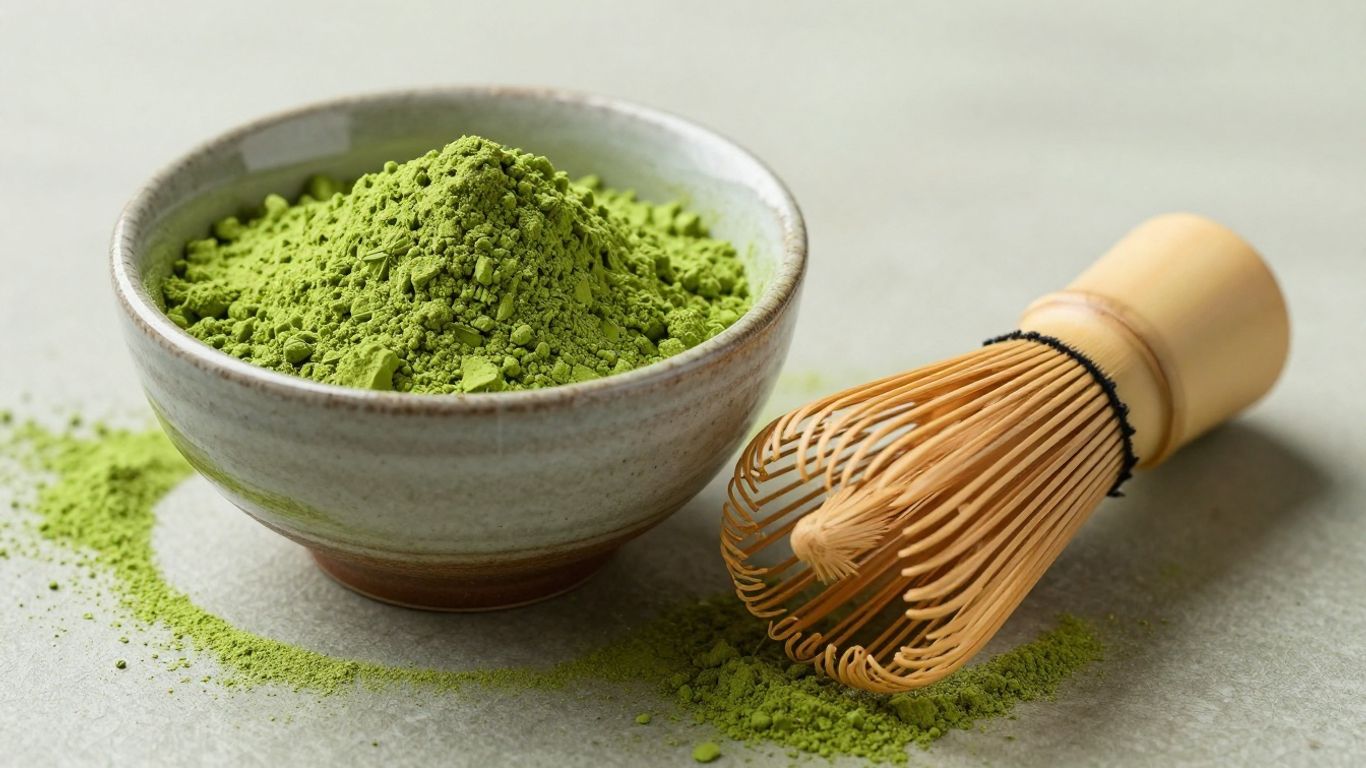
The most immediate sign is the colour. Fresh, high-quality matcha, like the kind we source, should be a brilliant, almost electric green. This vividness comes from the chlorophyll, which is preserved through careful shading and processing. As matcha ages, especially if exposed to light or air, this colour starts to dull. You might notice it shifting towards an olive-green, a yellow-green, or even a slightly brownish hue. It’s a gradual change, but a noticeable one if you’re paying attention.
Visual Cues of Declining Quality
Aroma and Flavor Indicators
Your nose and taste buds are your next best guides. Fresh matcha has a distinct aroma – often described as grassy, fresh, or even slightly sweet, with subtle marine notes. When it starts to fade, this lively scent diminishes. It can become flat, faint, or even take on a hay-like smell. Similarly, the flavour will change. That smooth, slightly sweet, umami profile can become more bitter and less complex. If your matcha used to whisk up into a lovely froth but now produces larger, less stable bubbles, that's another clue.
Signs of Moisture Exposure
Moisture is a matcha's enemy, accelerating degradation. If you notice your matcha powder clumping excessively, it might have absorbed moisture from the air. While some clumping can happen, a significant amount, especially if it feels gritty or sandy rather than powdery soft, suggests it's past its prime for enjoying that delicate flavour. This is why keeping it in an airtight container is so important for maintaining the quality of your Japanese matcha.
When your matcha starts showing these signs, it's not necessarily time to throw it out. It simply means it's no longer at its peak for drinking straight. The good news is, older matcha can still be fantastic in recipes where its flavour is complemented by other ingredients.
Optimizing Matcha Storage for Freshness
Alright, let's talk about keeping that vibrant green matcha powder in top condition. As a local Australian importer of authentic Japanese matcha from Uji and Yame, we know how important it is to preserve its delicate flavour and colour. It's not just about buying good matcha; it's about treating it right once it's in your hands. Think of it like keeping your favourite artisanal bread fresh – a little care goes a long way.
The Importance of Airtight and Opaque Containers
Matcha is super sensitive, and that's mostly down to its fine powder form. This means it has a huge surface area, making it really susceptible to the elements. The number one rule is to protect it from air, light, heat, and moisture.
- Air: Oxygen is the biggest culprit for oxidation, which dulls the colour and flattens the flavour. Every time you open the container, some oxidation happens. So, make sure your container seals up tight.
- Light: UV rays can break down the chlorophyll, turning that beautiful emerald green into a sad, dull shade. Opaque containers are your best friend here.
- Moisture: Matcha loves to soak up humidity and any stray smells. This can lead to clumping, off-flavours, and even mould.
- Heat: Warm temperatures speed up all those degrading chemical reactions.
So, what kind of containers are we talking about? We recommend sticking with the original tin if it seals well, or transferring your matcha to an airtight, opaque container. Think high-quality ceramic canisters with a good seal, or even a sturdy, foil-lined resealable pouch. Clear glass jars look nice, but unless they're stored in a dark cupboard, they're not ideal.
Ideal Storage Locations: Cool, Dark, and Dry
Once you've got your matcha in the right container, where should you put it? The goal is to find a spot that's consistently cool, dark, and dry. For most people who use matcha regularly, a kitchen cupboard or pantry that's away from the oven, toaster, or any other heat-generating appliances is usually sufficient. Just make sure it's not near the kettle either – steam is moisture!
Keeping your matcha away from direct sunlight and heat sources is key. Even a few hours near a sunny window can start to degrade its quality. Think of it like keeping fine wine – stable conditions are best.
Strategic Use of Refrigeration and Freezing
Now, should you pop it in the fridge? For higher-grade matcha, especially if you don't go through it super quickly, refrigeration can definitely help slow down the degradation process. If you do refrigerate, make sure the container is absolutely airtight. We often suggest putting the sealed tin or pouch inside another sealed bag or container for an extra layer of protection against moisture and odours. This is really important because matcha can pick up smells from other foods in the fridge.
Here's the catch with refrigeration: always let the matcha come back to room temperature before you open the container. If you open a cold container in a warmer room, condensation will form on the powder. That moisture is bad news for your matcha, leading to clumping and faster quality loss. It might take an hour or two, but it's worth the wait.
Freezing is usually reserved for unopened matcha that you won't touch for months. Like refrigeration, it slows down chemical reactions. The same rules apply: keep it sealed tight, and always let it warm up completely before opening to avoid condensation. For most of us who enjoy a daily or weekly matcha ritual, refrigeration or a cool pantry is perfectly fine. Freezing is a bit overkill unless you're stocking up on a large quantity you won't use for a long time.
Maximizing Enjoyment of Your Matcha
So, you've got a tin of our authentic Japanese matcha, perhaps from the renowned regions of Uji or Yame, and you're wondering how to get the most out of it, especially as time goes on. It's a great question, and one we love to answer for our fellow Australian tea lovers and businesses. While matcha is at its absolute best when fresh, that doesn't mean older matcha is destined for the bin. With a little know-how, you can keep enjoying its unique qualities for longer, or repurpose it beautifully.
Smart Strategies for Using Older Matcha
Matcha doesn't suddenly become unsafe to consume as it ages; rather, its vibrant colour, delicate aroma, and nuanced flavour begin to mellow. Think of it less like an expiry date and more like a peak freshness window. When your matcha has lost some of its initial zing, it's still perfectly good for many applications where its flavour profile can be complemented by other ingredients. This is where you can really get creative!
- Lattes and Smoothies: The creaminess of milk (dairy or plant-based) and the sweetness of fruits or sweeteners can beautifully balance matcha that's lost some of its sharpness. Think iced matcha lattes with a touch of honey or maple syrup, or a vibrant green smoothie with banana and spinach.
- Baking: Matcha is a fantastic addition to baked goods. Its earthy notes pair wonderfully with chocolate, vanilla, and citrus. Consider incorporating it into pancakes, cookies, shortbread, or even a matcha-infused cake.
- Desserts: Beyond baking, older matcha can be stirred into puddings, used to flavour ice cream, or even dusted over pastries for a sophisticated touch.
- Overnight Oats or Chia Puddings: Mix a teaspoon or two into your morning oats or chia seed pudding for a subtle flavour and a boost of colour.
Essentially, if your matcha isn't quite hitting the mark for a traditional, pure bowl, it's still a flavourful ingredient waiting to be discovered in your favourite recipes.
Choosing the Right Matcha Quantity
As an importer of high-quality matcha, we know that freshness is key to the ultimate matcha experience. For those who savour a traditional bowl, the best strategy is often to buy matcha in quantities that you'll comfortably use within a few months of opening. This ensures you're always enjoying that peak vibrancy. If your matcha consumption is more occasional, opting for smaller tins is a smart move. This way, you minimise the time the powder is exposed to air and light after opening, helping to preserve its character.
When It's Time to Replenish Your Supply
Your senses are your best guide here. If the colour has shifted from a bright, vivid green to a more muted, olive-toned hue, and the aroma has become faint or hay-like, it's a sign that the most delicate compounds have faded. While still usable in recipes, it might not provide the complex flavour profile you'd expect from a premium ceremonial grade matcha. When you notice these changes and find yourself craving that intense, fresh flavour for your daily bowl, it's probably time to reach for a new tin. We always recommend keeping an eye on our latest arrivals from Japan to ensure you're always sipping the freshest possible matcha.
Want to make your matcha even better? We've got tips and tricks to help you enjoy every sip. From the best ways to prepare it to fun serving ideas, we cover it all. Discover how to get the most out of your delicious matcha by visiting our website today!
Wrapping Up: Enjoying Your Matcha
So, we've talked a lot about matcha and how it doesn't exactly 'expire' like milk does. Instead, it kind of fades over time, losing that bright green color and fresh taste. Think of it less like a hard deadline and more like a gentle reminder to use it while it's at its best. Keeping it away from air, light, and heat really does make a difference, helping it stay vibrant for longer. And hey, if it's lost a bit of its punch, don't just toss it! It's still great for baking or smoothies. The main takeaway here is that with a little care in how you store it, you can keep enjoying your matcha, whether it's for that morning ritual or a tasty recipe. Let's keep those matcha moments fresh and flavorful!
Read more: Does Matcha Powder Go Bad? Signs Your Green Tea Has Expired

