

So, you've got some matcha powder sitting around and you're wondering, does matcha powder go off? It's a common question, especially since matcha is a bit different from other pantry staples. Unlike things that spoil overnight, matcha tends to fade rather than go bad suddenly. We'll look at how to tell if your matcha has lost its prime and what to do with it.
Key Takeaways
- Matcha powder doesn't expire in a way that makes it unsafe, but its quality (color, aroma, flavor) declines over time, especially after opening.
- Oxidation, moisture, light, and heat are the main culprits that degrade matcha's freshness.
- Signs your matcha has lost its spark include a duller, yellowish color, a flat or bitter smell, and a less vibrant taste.
- Proper storage in an airtight, opaque container, kept in a cool, dark place, significantly extends matcha's shelf life.
- If your matcha has lost its vibrant qualities, it's still perfectly fine to use in smoothies, baked goods, or lattes where its nuances won't be as noticeable.
Understanding Matcha's Shelf Life
So, you've got a tin of matcha, and you're wondering how long it'll stay good. It's a common question, especially with a product as special as matcha. As a local Australian importer of authentic Japanese matcha from Uji and Yame, we know how important it is to keep this vibrant powder at its best. Let's break down what 'shelf life' really means for matcha.
Does Matcha Powder Truly Expire?
Matcha doesn't expire in the way milk or bread does – you won't typically find it becoming unsafe to consume overnight. Instead, matcha fades. Think of it less like a hard expiry date and more like a gradual decline in quality. The vibrant green colour can dull, the fresh, grassy aroma can become faint, and the delicate flavour can turn a bit flat or even bitter. This happens because matcha is essentially finely ground green tea leaves, and once exposed to air, light, and moisture, oxidation begins to work its magic, but not in the way we want for our tea.
The Lifespan of Unopened Matcha
An unopened tin of matcha, kept properly sealed and stored in a cool, dark place, can maintain its peak quality for a good while. Generally, you're looking at about 6 to 12 months from its milling date for the best colour, aroma, and flavour. Some higher-grade ceremonial matchas, especially those from renowned regions like Uji, might have a slightly shorter window, often around 6-7 months from milling, to ensure you're experiencing them at their absolute freshest. We always recommend checking the packaging for any specific guidance from the producer.
The Impact of Opening Your Matcha
Once you break the seal on your matcha, its clock starts ticking a bit faster. Exposure to air is the main culprit here. Every time you open the tin to scoop out some powder, you're letting in oxygen, which accelerates oxidation. For this reason, we suggest aiming to use your opened matcha within about 30 to 60 days for the most vibrant experience. If stored exceptionally well, you might get up to 90 days, but the flavour and colour will definitely start to mellow out after that initial period. It's why buying smaller tins if you're not a daily drinker is often a smart move to ensure you get to enjoy it at its best. If you're looking for premium quality, our bulk organic matcha is vacuum-sealed to slow this process down significantly.
Key Factors Affecting Matcha Freshness
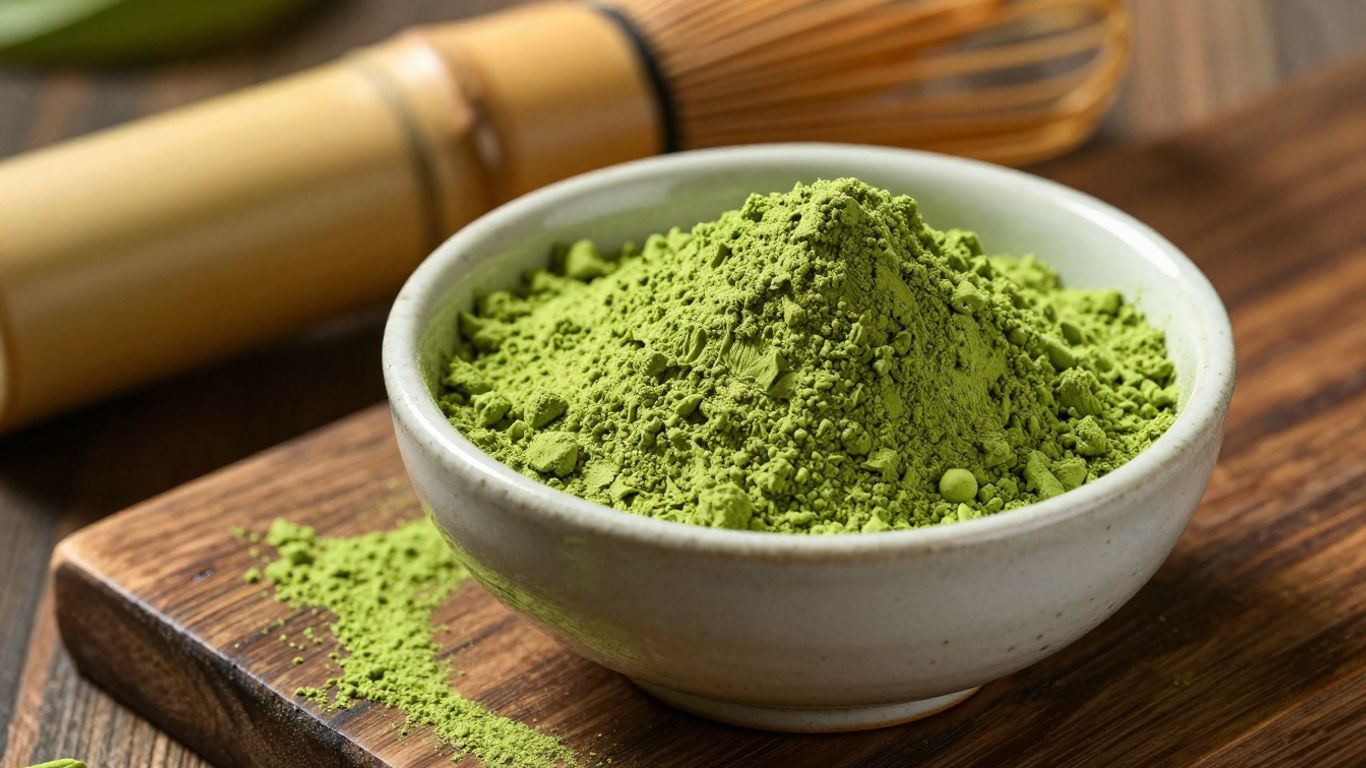
So, what makes your beautiful green powder lose its magic? It's not just one thing, but a few key players that can turn your vibrant matcha into something a bit... meh. As a local Australian importer of authentic Japanese matcha from Uji and Yame, we've seen it all, and understanding these factors is the first step to keeping your matcha tasting its best.
The Role of Oxidation
Think of oxidation as the slow fading of your matcha's colour and flavour. When matcha powder is exposed to air, a chemical reaction starts. This is totally natural, but it's the main reason why that bright, electric green can start to look a bit dull, shifting towards an olive or even yellowish hue. It also affects the taste, making it less sweet and more bitter. The less air your matcha encounters, the slower this process will be.
Moisture: A Matcha's Nemesis
Moisture is the enemy of fine powders, and matcha is no exception. Even a tiny bit of humidity can cause your matcha to clump together, making it difficult to whisk and affecting its texture. Worse, prolonged exposure to moisture can lead to mould growth, which is a definite sign to toss it. Always use a completely dry spoon when scooping your matcha, and make sure your storage container is sealed tight.
Light and Temperature's Influence
Just like us, matcha doesn't like being left out in the sun or near a heat source. Direct sunlight and high temperatures can speed up the degradation process, causing the colour to fade and the delicate flavours to break down. This is why we always recommend storing your matcha in a cool, dark place, away from things like your oven or a sunny windowsill. Fluctuating temperatures can also be a problem, leading to condensation inside your container.
The Passage of Time
Even with the best storage, time will eventually catch up. Matcha is at its peak shortly after it's milled. While it doesn't 'spoil' in the way that dairy does, its vibrant colour, fresh aroma, and complex flavour profile will gradually diminish over time. For the best experience, especially with ceremonial grade matcha, it's ideal to consume it within a few months of opening. We find that for our customers in Australia, especially those who appreciate the nuanced flavours of Uji and Yame matcha, smaller, more frequent purchases often make the most sense to ensure peak freshness.
Recognizing Signs of Matcha Degradation
So, you've got your tin of beautiful matcha, maybe from our latest import from Uji or Yame. It's a vibrant green, smells amazing, and tastes like a dream. But what happens over time? Does it just… stop being good? It’s less about a sudden
Maximizing Your Matcha's Vibrancy
So, you've got your hands on some beautiful, vibrant matcha, maybe even some of that top-tier stuff from Uji or Yame that we love to import. The last thing you want is for it to lose that amazing colour and flavour too quickly. Luckily, keeping your matcha fresh and potent isn't rocket science. It really comes down to a few simple habits that make a world of difference.
The Importance of Airtight Storage
Think of your matcha powder like a delicate flower – it needs protection. The biggest enemies are air and moisture. Every time you open the tin, you're letting in oxygen, which starts the oxidation process that dulls the colour and flavour. Moisture is even worse; it can lead to clumping and, well, not-so-great things.
- Always reseal the container immediately after scooping. Don't leave it sitting open while you measure out your next scoop. If your original packaging isn't super airtight, consider transferring the matcha to a small, opaque jar or tin that seals well. This is probably the single most important step you can take.
- Use a dry spoon. Seriously, no damp spoons allowed near your matcha! Even a tiny bit of moisture can start trouble.
- If you're buying in larger quantities, think about portioning it out into smaller, airtight containers yourself. This way, you only expose a small amount to the air at a time.
Finding the Ideal Cool, Dark Location
Heat and light are also matcha's nemeses. They speed up degradation, making that lovely green hue fade and the flavour turn flat. So, where's the best spot?
- A pantry or cupboard away from the stove or any heat-generating appliances is a good start. You want to avoid temperature fluctuations.
- Direct sunlight is a big no-no. Keep it tucked away in darkness.
- For most people, a standard pantry shelf is perfectly fine, provided it's cool and dark. You don't need to overthink this part too much.
Strategic Refrigeration and Freezing
Now, for refrigeration and freezing – this is where things get a bit more specific. While keeping matcha in the fridge or freezer can extend its life, there are a few tricks to doing it right.
- Always use an airtight container. This is non-negotiable. You don't want your matcha picking up weird smells from other foods, and you definitely don't want condensation forming inside.
- When you take it out of the fridge or freezer, let it come to room temperature before opening the container. This is super important. Opening it while it's still cold will cause condensation to form on the powder, which is exactly what we're trying to avoid. Give it at least 30 minutes, maybe even an hour, depending on how cold it was.
- Freezing is best for long-term storage, like if you've bought a big tin and know it'll take you a while to get through. Portioning it into smaller, sealed bags before freezing can be helpful.
Storing your matcha correctly is key to preserving its vibrant colour, fresh aroma, and delicate flavour. While it doesn't
Creative Uses for Maturing Matcha
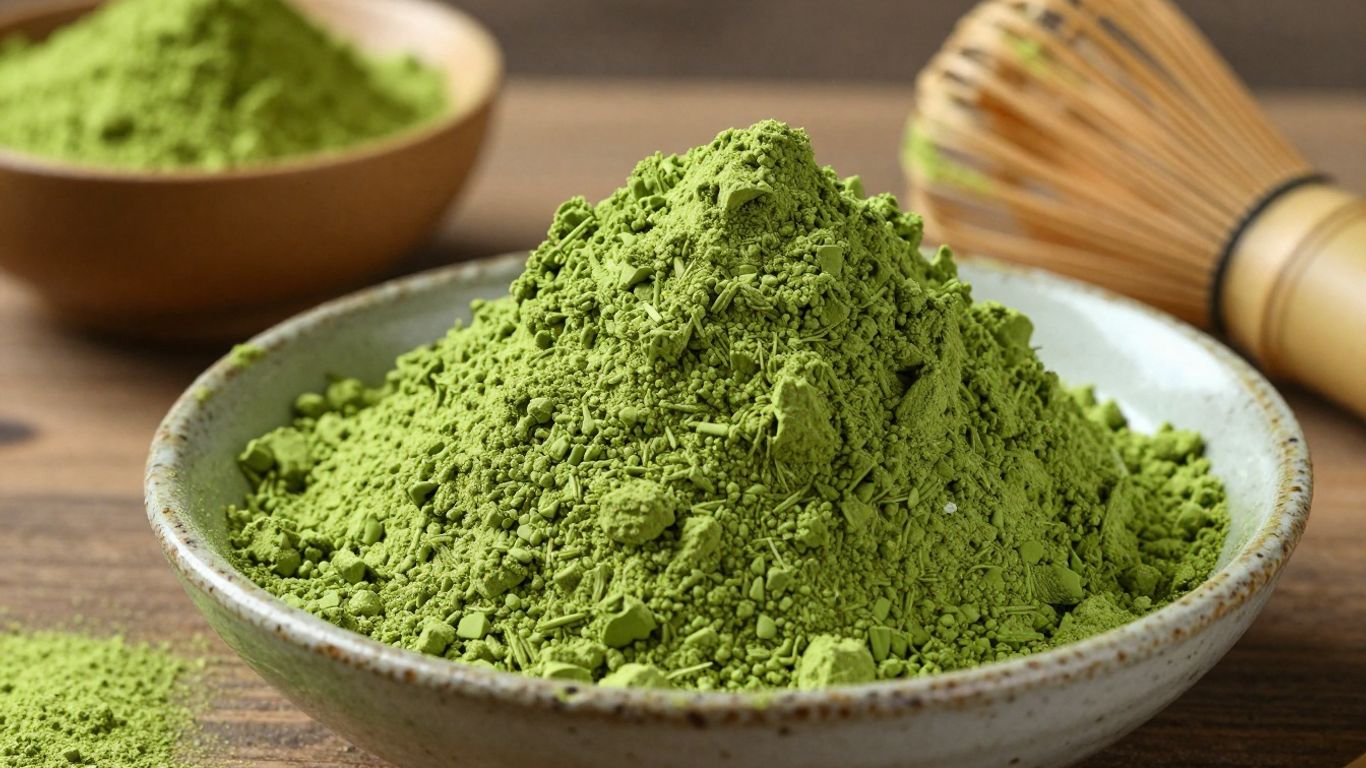
Even the most vibrant matcha, like the authentic Japanese varieties we import from Uji and Yame, will eventually mellow. Don't let that slightly less-than-peak powder go to waste! When your matcha has lost that electric green hue or its initial grassy punch, it's still got plenty of life left for culinary adventures. Think of it as a chance to explore matcha's versatility beyond your daily ceremonial whisk.
Enhancing Smoothies and Lattes
This is probably the easiest way to use up matcha that's past its prime. The milk, sweeteners, and other fruits in a smoothie or latte can easily mask any subtle bitterness or fading aroma. It's a fantastic way to add a nutritional boost and a hint of green tea flavour without it being the star.
- Smoothies: Blend with banana, berries, spinach, and your choice of milk or yogurt. The sweetness of the fruit will balance out any mellowing matcha notes.
- Lattes: Whisk into warm milk (dairy or non-dairy) with a touch of honey or maple syrup. A bit of vanilla extract can also round out the flavour nicely.
- Iced Drinks: Perfect for a refreshing iced latte on a warm Australian afternoon. Just whisk the matcha with a little hot water first to avoid clumps, then pour over ice and your preferred milk.
Incorporating into Baked Goods
Heat can actually be a friend to older matcha. In baked goods, the baking process mellows out any bitterness, allowing the matcha flavour to integrate more subtly. This is where you can really get creative!
- Cookies and Brownies: Add a teaspoon or two to your favourite cookie or brownie recipe for a beautiful green tint and a unique flavour twist. Think matcha shortbread or white chocolate matcha cookies.
- Cakes and Muffins: Fold it into cake batters or muffin mixes. It pairs wonderfully with citrus flavours like lemon or orange, or with rich chocolate.
- Pancakes and Waffles: Sprinkle some into your pancake or waffle batter for a delightful breakfast treat.
When using older matcha in baking, remember that its colour might be less intense. You might need to adjust the amount slightly depending on how much flavour and colour you're aiming for. It's all about experimenting to find what works best for your recipe.
Exploring Topical Applications
While not for drinking, matcha's antioxidants and anti-inflammatory properties can still be beneficial when used topically. This is a great way to get the most out of every last bit of your matcha powder.
- Face Masks: Mix with a bit of honey and yogurt for a soothing, antioxidant-rich face mask. It can help calm redness and provide a gentle exfoliation.
- Body Scrubs: Combine with sugar or salt and a carrier oil (like coconut or almond oil) for a natural body scrub that leaves your skin feeling soft and refreshed.
Remember, if your matcha shows any signs of mould or smells truly off, it's best to discard it. But for matcha that has simply lost its vibrant drinking quality, these creative uses will help you enjoy its goodness for longer.
Best-By Dates vs. True Spoilage
It's easy to get a bit confused when you see a "best-by" date on your matcha tin. As a local Australian importer of authentic Japanese matcha from Uji and Yame, we often get asked about this. The truth is, matcha doesn't really "expire" in the way milk or bread does. It's not going to suddenly become unsafe to drink overnight. Instead, think of that date as a guide for peak quality.
Interpreting 'Best-By' Guidance
That date printed on the packaging is more about when the matcha is expected to be at its absolute freshest and most vibrant. For high-quality, ceremonial grade matcha, this might be as short as 6-7 months from when it was milled. This is because we want you to experience that incredible bright green colour, the rich umami flavour, and all those beneficial antioxidants at their best. Lower-grade matcha might have longer "best-by" dates, sometimes up to a year or two, but the quality will likely have started to fade well before then. For us, ensuring you get the freshest possible product is key, which is why we focus on sourcing directly and advising on proper storage from the moment it arrives in Australia.
When Matcha Becomes Unsafe
So, when does matcha become a problem? It's not about the date itself, but about how it's been treated. The real enemies are moisture and contamination. If your matcha has been stored improperly, perhaps in a humid environment or exposed to air for too long, it can develop mould. Mouldy matcha is the only time you should absolutely toss it. This is rare with good quality matcha and proper storage, but it's always worth a quick visual check. Signs of spoilage, beyond mould, include a truly off-putting smell (musty or rancid) or a taste that's intensely bitter or sour, far beyond the usual slight bitterness of older matcha.
Caffeine Stability Over Time
One thing that remains surprisingly stable in matcha, even as its flavour and colour fade, is the caffeine content. Caffeine is a pretty robust compound. So, even if your matcha is past its prime for a beautiful, ceremonial preparation, it will still give you that lovely energy boost. This is why older matcha is still perfectly fine for use in smoothies, lattes, or baked goods – you'll still get the caffeine kick and some of the flavour, just without that peak vibrancy. It's all about managing expectations and using your matcha wisely.
Understanding the difference between 'best-by' dates and actual spoilage is key to reducing food waste. While a date might suggest peak quality, it doesn't always mean the food is unsafe to eat. Learn how to tell if food has truly gone bad and make smarter choices in your kitchen. Visit our website to discover more tips on food safety and storage!
So, What's the Matcha on Matcha?
Alright, so we've chatted about how matcha, while not exactly 'spoiling' like milk, definitely loses its sparkle over time. Think of it less like a hard expiration date and more like a gradual fade. Keeping it away from heat, light, and air is key to holding onto that vibrant green and fresh taste for as long as possible. If yours has seen better days, don't just toss it! It can still be great in smoothies or baked goods. But for that perfect, calming ceremonial sip, it's always best to reach for a fresh tin. We hope this helps you enjoy your matcha to the fullest, from the first whisk to the last delicious drop!
Frequently Asked Questions
Does matcha powder actually go bad?
Matcha powder doesn't really 'go bad' in a way that makes it unsafe to eat, like milk might. Instead, it slowly loses its best qualities. Think of it like a flower that starts to fade – it's still a flower, but it's not as bright or fragrant as it once was. Over time, its vibrant green color can become dull, the fresh, grassy smell might disappear, and the taste can become less sweet and more bitter. So, it doesn't spoil, but it definitely loses its 'oomph'.
How long can I keep unopened matcha powder?
If you keep your matcha powder sealed in its original container and store it in a cool, dark place, it can stay fresh for quite a while, usually around 6 to 12 months. Some high-quality matcha might have a slightly shorter 'best by' time, maybe around 6-7 months, to ensure you get the absolute best flavor and color. It's all about keeping it protected from things that make it fade.
What happens to matcha once I open the container?
Once you open a container of matcha, it's like opening a window for air and light to get in. This speeds up the process of it losing its freshness. For the best taste and color, it's recommended to use it within about 30 to 60 days after opening. If you store it really well, you might get a bit longer, maybe up to 90 days, but the flavor will start to change.
How can I tell if my matcha has lost its freshness?
Your senses are your best guide! Look at the color: fresh matcha is a bright, vibrant green. If it looks dull, yellowish, or even brownish, it's lost its freshness. Give it a sniff: it should smell sweet and grassy. If the smell is faint, flat, or even a bit musty, it's past its prime. Finally, a taste test: fresh matcha is slightly sweet with a hint of umami. If it tastes noticeably bitter or just 'off,' it's probably time to use it for something else.
Is it safe to drink matcha that's past its 'best by' date?
Generally, yes, it's safe to drink matcha that's past its 'best by' date, as long as it hasn't been contaminated. The date is more about peak flavor and quality than safety. However, if you see any signs of mold, if it smells really bad, or if it looks strange (like it has moisture or unusual clumps), then it's best to toss it. Always trust your eyes and nose before you taste!
What's the best way to store matcha to keep it fresh?
To keep your matcha tasting great, always store it in an airtight, opaque container. Keep it in a cool, dark, and dry place, like a pantry or cupboard, away from heat and direct sunlight. If you live somewhere really humid, you can store it in the fridge or freezer, but make sure to let it come to room temperature *before* you open it to avoid moisture getting inside. And try to use it up relatively quickly after opening!

