

So, you've brewed up some delicious matcha and now you're wondering, does matcha powder stain? It's a fair question, especially with its vibrant green color. Spills happen, right? Whether it's on your favorite shirt, your couch, or your kitchen counter, knowing how to deal with a matcha stain is super helpful. This guide is here to break down exactly why matcha can leave a mark, how to stop it from happening in the first place, and what to do if you find yourself with a fresh green smudge. We'll cover everything from quick fixes to tougher challenges.
Key Takeaways
- Yes, matcha powder can stain surfaces and fabrics due to its natural pigments like chlorophyll and tannins.
- Acting fast is the most important step when dealing with a fresh matcha spill; immediate blotting and cold water rinsing are key.
- Avoid hot water and harsh rubbing, as these can set the stain deeper into fibers, making it harder to remove.
- Different surfaces and fabrics require slightly different approaches, but prompt, gentle treatment is usually most effective.
- Prevention is always the best strategy, so consider wearing aprons or darker clothing when preparing or enjoying matcha.
Understanding Does Matcha Powder Stain?
So, you've got your beautiful, vibrant matcha, maybe a ceremonial grade from Uji or Yame that we carefully import for our fellow Australian tea lovers. You're ready for that moment of calm focus, but then... a little spill happens. It's a fair question: does matcha powder stain? The short answer is yes, it absolutely can. But don't let that put you off your daily ritual. Understanding why and how it stains is the first step to dealing with it.
The Science Behind Matcha's Vibrant Hue
That gorgeous green colour in your matcha comes from chlorophyll, the same pigment that makes plants green. It's packed with goodness, including antioxidants like EGCG, which is fantastic for you. However, chlorophyll is also a potent natural dye. When it comes into contact with fabrics, especially lighter ones, it can latch on and leave a mark. Think of it like a very concentrated, natural food colouring. The finer the powder, the more easily it can get into the fibres of whatever it lands on.
Why Matcha Can Be Tricky to Remove
Matcha isn't like your average cup of tea. Because you're consuming the whole leaf, finely ground into a powder, it behaves differently. It doesn't fully dissolve but rather suspends in water. This means those tiny particles can seep into fabric weaves quite effectively. The longer matcha sits on a surface, the deeper those particles can penetrate and the harder they become to lift. Unlike some other common stains, matcha's pigments can be quite stubborn, especially if not treated quickly.
Factors Influencing Stain Intensity
Several things can affect how intense a matcha stain becomes. The type of fabric is a big one – natural fibres like cotton and linen tend to absorb stains more readily than synthetics. The weave of the fabric also plays a role; a looser weave might let more matcha seep in. And, of course, time is a major factor. A fresh spill is always easier to deal with than one that's had hours to set. Even the temperature of the liquid can make a difference, with warm spills sometimes penetrating fabrics faster. It’s a bit of a balancing act, but knowing these factors helps you react the right way if an accident does happen.
Preventing Matcha Stains Before They Happen
We all love the vibrant colour and unique flavour of matcha, especially here in Australia where we appreciate quality tea. But let's be honest, that beautiful green can sometimes be a bit of a menace when it comes to our clothes and surfaces. As importers of authentic Japanese matcha from Uji and Yame, we know a thing or two about keeping that precious powder where it belongs. The good news is, with a few simple habits, you can significantly reduce the chances of a matcha mishap.
Everyday Habits for Spill-Free Matcha Moments
Making matcha at home should be a relaxing ritual, not a stressful one. A few mindful practices can make all the difference. Always prepare your matcha in an area where spills are easy to clean up. This might sound obvious, but it’s the first line of defence.
Here are some simple habits to adopt:
- Keep a cloth or paper towel handy: Have something absorbent right next to you when you're whisking. A quick blot can save a shirt from a splash.
- Hold your bowl or cup firmly: When you're whisking or sipping, make sure your grip is secure. A steady hand prevents those sudden jolts that lead to spills.
- Use a stable surface: Ensure your workspace is level. A wobbly table is an invitation for disaster.
Choosing Your Attire Wisely
While we love our light linens and crisp whites, they might not be the best choice when you're preparing or enjoying matcha. Think of it like this: if you're cooking a messy meal, you probably wouldn't wear your best silk blouse, right? The same logic applies here.
- Opt for darker colours: Navy, charcoal, or even a deep forest green can hide minor splatters much better than white or pastels.
- Consider stain-resistant fabrics: Some synthetic blends have a tighter weave that can help repel liquids initially, giving you a moment to react.
- Wear an apron: This is a classic for a reason. A good quality apron, especially one made from a wipeable material, is your best friend when it comes to protecting your clothes.
Protecting Your Workspace
Your kitchen counter, dining table, or even your desk can be vulnerable. A little preparation goes a long way in preventing stains on surfaces that might be harder to clean than fabric.
- Use a coaster: Place your matcha bowl or cup on a coaster. This catches any drips and protects the surface underneath.
- Lay down a mat: For frequent matcha preparation, consider a silicone mat or even a placemat. These are easy to wipe down and can catch any stray powder or liquid.
- Keep it tidy: A cluttered workspace increases the chances of knocking things over. A clear area means fewer accidents.
Matcha's vibrant colour comes from its high concentration of chlorophyll. While this is fantastic for its health benefits and visual appeal, it also means it has a strong pigment. Being mindful during preparation and consumption is key to enjoying your matcha without the worry of stubborn stains. For those times when you need the purest matcha, our vacuum-sealed packaging keeps it fresh and vibrant, just as it should be.
By incorporating these simple preventative measures into your routine, you can savour your matcha moments with peace of mind, knowing you've taken steps to avoid those unwelcome green marks.
Immediate Actions for Fresh Matcha Spills
So, you've had a little spill. Don't panic! When it comes to matcha, acting fast is your best friend. The vibrant green hue of our authentic Japanese matcha from Uji and Yame is beautiful, but it can also be a bit stubborn if left to its own devices. The good news is, with a few quick steps, you can often save your favourite items from a lasting stain.
The Critical First Few Minutes
Time is really of the essence here. The longer that matcha sits on a surface, the more it can seep in and bond with the fibres. Think of it like this: the stain is still 'wet' and hasn't had a chance to really set in. This is your prime window for damage control. Aim to tackle any spill within the first few minutes of it happening.
Blotting vs. Rubbing: What Works Best
This is a big one, and it's super important to get right. When you see a spill, your first instinct might be to rub at it, right? Please, resist that urge! Rubbing actually pushes the matcha deeper into the fabric or material, spreading it out and making it much harder to remove later. Instead, you want to blot gently. Use a clean, dry cloth, paper towel, or even a bit of kitchen roll. Press down lightly on the spill, working from the outside edges inwards. This helps to lift the liquid and powder without spreading it.
The Power of Cold Water
Once you've blotted up as much excess matcha as you can, it's time for a rinse. And here's another crucial point: use cold water. Never hot water. Hot water can actually 'cook' the stain, setting the pigments into the fibres and making them incredibly difficult, if not impossible, to get out. A gentle rinse with cold water will help dilute the remaining matcha and wash away some of the colour. For fabrics, you can often do this by holding the stained area under a cold tap. For other surfaces, a damp cloth with cold water will do the trick. If you're dealing with a particularly stubborn spill on fabric, a quick cold water rinse is a great first step before trying any specific cleaning agents.
Remember, the goal in these initial moments is to lift and dilute, not to scrub or set the stain. Quick, gentle blotting followed by a cold water rinse is your best bet for minimising damage.
Effective Removal Strategies for Various Surfaces
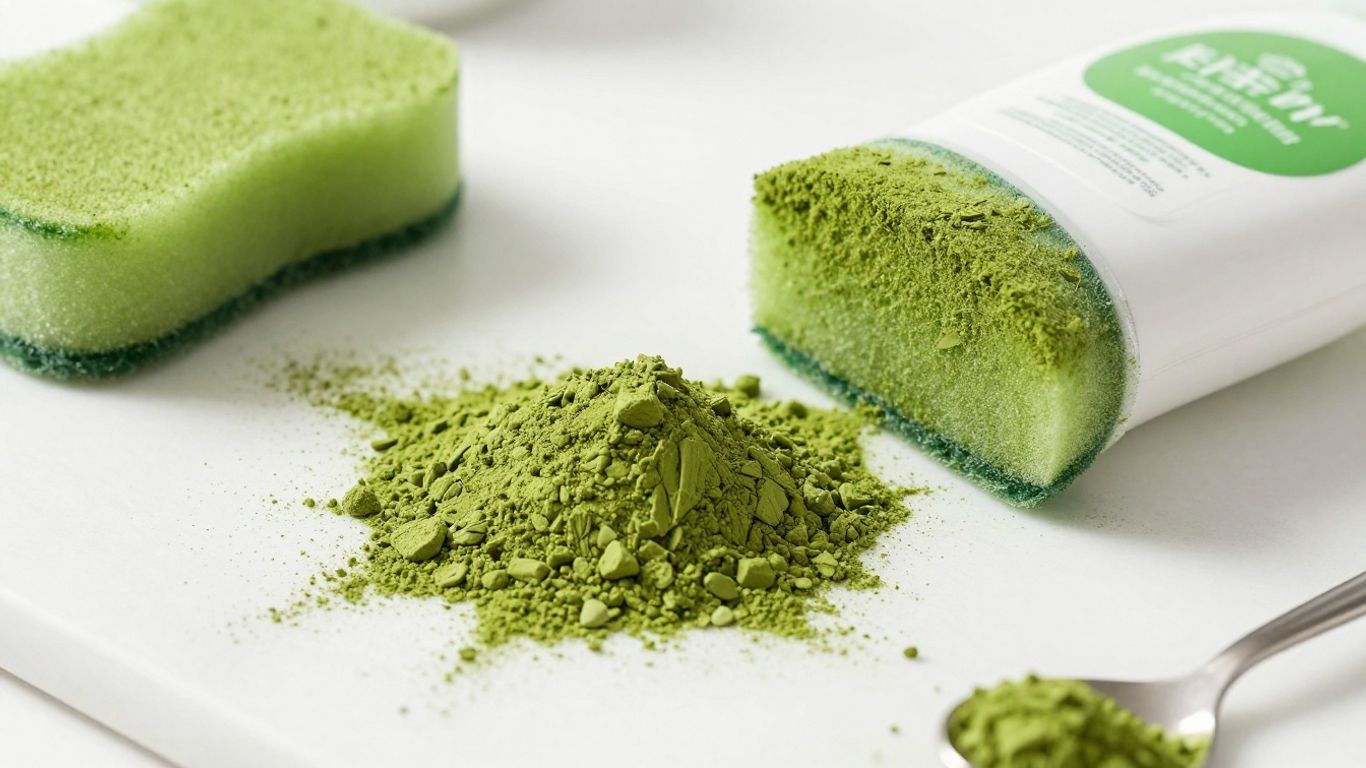
Matcha powder, with its vibrant green hue, can sometimes leave a mark. But don't worry, tackling these stains is usually quite manageable, especially if you know a few tricks. As importers of authentic Japanese matcha from Uji and Yame, we've seen our fair share of spills and have learned what works best across different materials. The key is always to act fast and use the right approach for the surface you're dealing with.
Tackling Stains on Fabrics
When matcha meets fabric, quick action is your best friend. For fresh spills, the immediate step is to blot, not rub. Use a clean cloth or paper towel to gently lift as much of the powder or liquid as possible. Cold water is your next best ally; avoid hot water at all costs, as it can set the stain.
Here’s a general approach for most fabrics:
- Initial Rinse: Gently rinse the stained area from the back of the fabric with cold water. This helps push the stain out rather than further in.
- Mild Detergent: Apply a small amount of pH-neutral liquid detergent directly to the stain and gently work it in with your fingers or a soft brush.
- Soak (if needed): For tougher stains, you can soak the item in cold water with a bit more detergent for about 30 minutes.
- Wash: Launder the item as usual in cold water.
- Air Dry: Always air dry the item first. Check if the stain is completely gone before putting it in the dryer, as heat can permanently set any remaining traces.
For stubborn stains on cotton, a soak in cold milk can work wonders. The proteins in the milk help lift the matcha pigments. Try soaking the affected area for about 20 minutes before rinsing and washing as usual. This is a gentle method that often surprises people with its effectiveness.
Addressing Upholstery and Other Materials
Cleaning upholstery, carpets, or even wooden surfaces requires a slightly different touch. The principle of acting fast and blotting remains the same.
- Upholstery/Carpet: Blot up any excess matcha. Then, mix a solution of mild dish soap and cold water. Dampen a clean cloth with this solution and gently blot the stain. Work from the outside of the stain inwards to prevent spreading. Rinse by blotting with a cloth dampened with plain cold water, and then blot dry with a clean towel.
- Wood Surfaces: For sealed wood, wipe up the spill immediately with a damp cloth. If a stain remains, a paste of baking soda and water can be gently applied and then wiped away with a clean, damp cloth. Be sure to dry the area thoroughly afterward.
- Countertops: Most countertops (like laminate or quartz) can be cleaned with a damp cloth and a mild all-purpose cleaner. For porous surfaces like unsealed stone, it's best to blot immediately and consult the manufacturer's cleaning recommendations.
Remember, the goal is to lift the stain without damaging the material. Always test any cleaning solution on an inconspicuous area first, especially with delicate or natural materials.
When to Seek Professional Help
While most matcha stains are manageable with home remedies, there are times when it's best to call in the experts. If you're dealing with a very old, set-in stain, or if the item is particularly valuable or delicate (like antique silk or a cherished Persian rug), professional cleaning might be the safest bet. Businesses that specialise in fabric care or upholstery cleaning have access to specialised treatments and equipment that can often remove stains that are otherwise impossible to tackle at home. Don't hesitate to reach out to them if you're unsure or if the stain seems particularly stubborn. It's often worth the investment to preserve your favourite items.
Common Misconceptions and What to Avoid
When it comes to tackling matcha stains, there are a few common ideas that might actually make things worse. It's easy to jump to conclusions, especially when you're trying to save your favourite shirt from that vibrant green hue. Let's clear up some of these myths so you can deal with spills effectively.
The Pitfalls of Hot Water
One of the biggest mistakes people make is reaching for hot water. While it seems like a good idea for cleaning, with matcha, it's often the opposite. Hot water can actually set the stain, making it much harder to remove. The heat can cause the pigments in the matcha, particularly the chlorophyll, to bind more tightly to the fabric fibres. Think of it like cooking an egg – heat changes its structure permanently. For matcha, this means a stain that might have come out with cold water could become a stubborn, lasting mark.
Why Certain Cleaners Can Worsen Stains
Not all cleaning agents are created equal when it comes to matcha. Some common household items can do more harm than good. For instance, using alkaline substances like baking soda can alter the pH of the fabric. This can cause the chlorophyll to oxidise, leading to a colour change, especially noticeable on lighter fabrics. It might even dry out the fibres, making subsequent cleaning steps more difficult.
Understanding Protein-Based Stains
If you've enjoyed a matcha latte, you might be dealing with more than just tea pigments. Milk or other dairy products in your drink introduce protein. Protein-based stains react differently to cleaning methods than simple pigment stains. Using heat or certain harsh chemicals on a protein stain can cause it to coagulate and bond even more strongly to the fabric. This is why a gentle, cold-water approach is often best, especially in the initial stages of stain removal, regardless of whether you're dealing with pure matcha or a matcha latte. It's a bit like how you'd treat a milk spill – you wouldn't blast it with boiling water, would you?
Here's a quick rundown of what to steer clear of:
- Hot Water: Sets the stain, making it permanent.
- Harsh Alkaline Cleaners (like Baking Soda): Can alter colour and damage fibres.
- Rubbing Vigorously: Spreads the stain and can damage fabric.
- Bleach (on coloured fabrics): Can cause discolouration or damage.
When you're preparing your ceremonial grade matcha, perhaps from our carefully selected Uji and Yame sources, it's worth remembering that the finer the powder, the more easily it can penetrate fabric. This means acting fast is key, and avoiding common cleaning mistakes will save you a lot of trouble down the line. It’s all about working with the fabric and the stain, not against it.
Remember, a little knowledge goes a long way in keeping your favourite garments looking their best, even after enjoying a delicious cup of matcha.
Fabric-Specific Stain Considerations
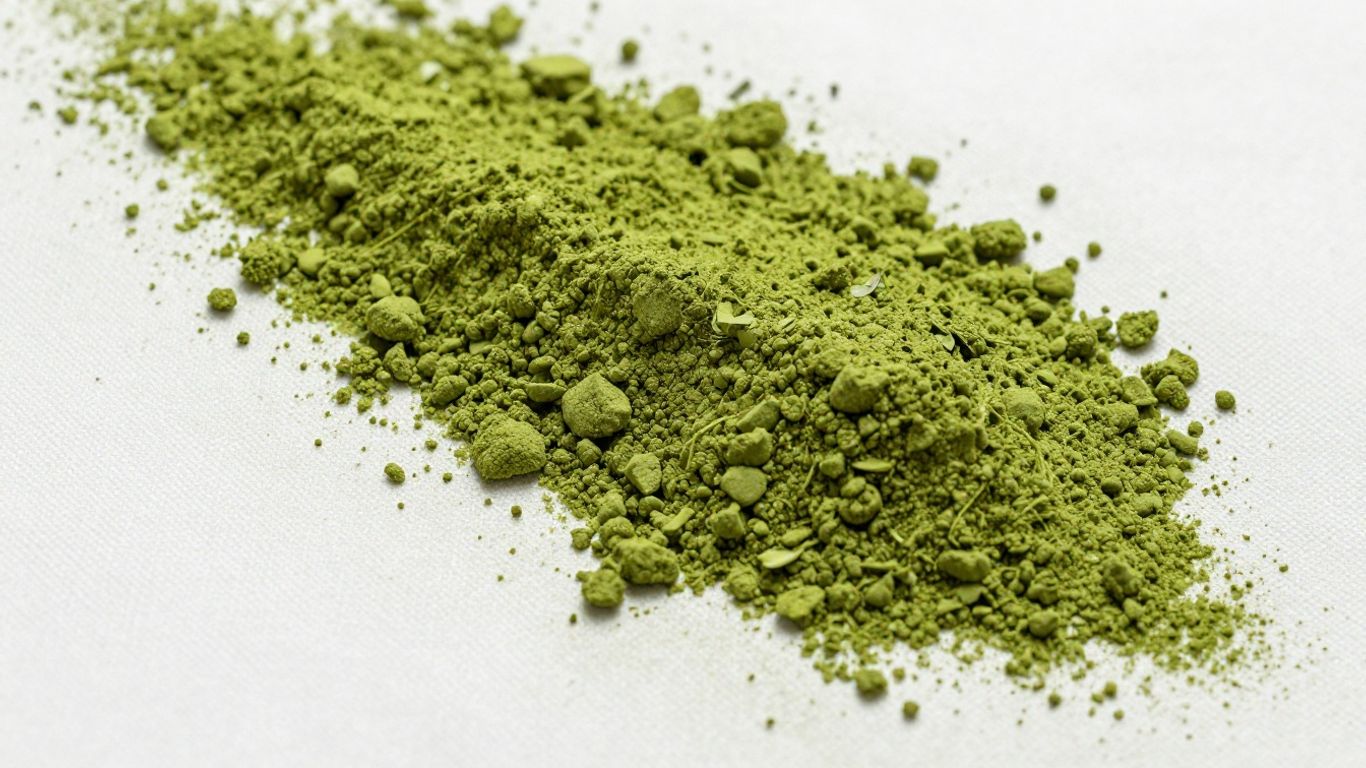
Matcha's vibrant green can be a bit of a diva when it comes to fabrics. As a local importer of authentic Japanese matcha from Uji and Yame, we've seen our fair share of spills and learned a thing or two about how different materials react. It’s not just about the powder; the weave and type of fabric play a big role in how stubborn a stain becomes.
Natural Fibers: Cotton and Linen
Cotton and linen are popular choices for their breathability and natural feel, and they're generally quite forgiving. However, their absorbent nature means matcha can soak in pretty quickly. The key here is speed. If you catch a spill on your favourite linen shirt or cotton apron right away, you've got a great chance of getting it out with a cold water rinse and a gentle, pH-neutral detergent. For tougher spots, a short soak in cold milk can work wonders, as the casein in milk helps lift the pigment. We've found this method to be particularly effective on our own cotton brewing cloths.
- Act Fast: The sooner you address the spill, the better.
- Cold Water is Key: Always start with cold water; hot water can set the stain.
- Gentle Detergent: Opt for a mild, pH-neutral soap.
For cotton and linen, think of it like a fresh garden bed – the soil is loose and receptive. A gentle approach is best to avoid pushing the matcha deeper into the fibers.
Delicate Materials: Silk and Wool
Silk and wool are a different story altogether. These natural fibers are much more delicate and can be easily damaged by vigorous cleaning or harsh chemicals. Matcha stains on silk or wool require a very light touch. Avoid rubbing at all costs, as this can damage the fibers and spread the stain. For these materials, a cold milk soak (tested on an inconspicuous area first) followed by a very gentle rinse is often the safest bet. If you're unsure, or if the stain is significant, it's always best to consult a professional dry cleaner who understands how to handle delicate fabrics. We recommend using an apron when preparing matcha if you're wearing your finest silk blouse.
Synthetic Fabrics: Polyester and Beyond
Synthetic fabrics like polyester tend to be a bit more stain-resistant than their natural counterparts. They often repel liquids initially, giving you a little more time to react. This means spills might bead up on the surface for a short while. However, once matcha does penetrate, it can still be tricky. The good news is that synthetics are generally more durable, so they can often withstand a slightly more robust cleaning approach than silk or wool. A cold water rinse and a standard laundry cycle with a good quality detergent usually do the trick. Just remember to check the garment's care label before attempting any specific treatments.
| Fabric Type | Stain Absorption | Cleaning Difficulty |
|---|---|---|
| Cotton | High | Moderate |
| Linen | High | Moderate |
| Silk | Very High | Difficult |
| Wool | Very High | Difficult |
| Polyester | Low | Easy to Moderate |
Different fabrics need different care when it comes to stains. What works for one might not work for another. Always check the material of your item before trying to remove a spot. For more detailed advice on tackling tough marks on various materials, visit our website.
Wrapping Up Our Matcha Stain Chat
So, we've gone over how matcha can indeed leave its mark, but honestly, it's not something to lose sleep over. The key takeaway here is that acting fast is your best friend when a spill happens. A quick blot, a cold water rinse, and maybe a little dish soap can often save the day. And remember those simple prevention tips, like wearing an apron or just being a bit more mindful when you're enjoying your favorite green powder. By keeping these ideas in mind, you can keep your clothes looking great and continue to enjoy matcha without any worry. Let's all keep our matcha moments stain-free!
Frequently Asked Questions
Can matcha powder really stain my clothes?
Yes, matcha powder can definitely leave a green mark on your clothes. It has natural color from chlorophyll and other bits in the tea leaves that can stick to fabric fibers, especially if you don't clean it up right away.
Is it hard to get matcha stains out?
Matcha stains are considered moderately difficult to remove. The key is to act fast! The longer the stain sits, the more it sets into the fabric, making it tougher to get out.
What's the best first step if I spill matcha?
The very first thing you should do is blot the spill gently with a clean cloth or paper towel. Don't rub it in! After blotting, rinse the area with cold water from the back of the stain.
Should I use hot or cold water to clean a matcha stain?
Always use cold water. Hot water can actually set the stain, making the green color harder to remove. Cold water is your best friend when dealing with matcha spills.
Does a matcha latte stain worse than plain matcha?
Yes, a matcha latte can be trickier to clean. The milk and sugar in the latte can make the stain stickier and harder to lift from the fabric compared to just plain matcha powder and water.
Are there any fabrics that are extra sensitive to matcha stains?
Delicate fabrics like silk and wool can be more easily damaged by stains and cleaning attempts. Natural fibers like cotton and linen also tend to absorb the stain quickly. It’s always best to check the fabric care label and test any cleaning method on a hidden spot first.

