

So, you've probably seen matcha everywhere lately, right? It's in lattes, smoothies, even baked goods. People talk about it like it's some kind of magic powder. But one question keeps popping up, and it's a good one: does matcha powder actually have protein? It's easy to get confused with all the health claims out there, and honestly, sometimes the marketing can be a bit much. I was wondering the same thing, so I dug into it a bit. Let's break down what's really in matcha and if it can actually help you meet your protein goals.
Key Takeaways
- Pure matcha powder contains a small amount of protein, typically around 3 grams per serving, which isn't a significant source for most people.
- Many products marketed as 'protein matcha' are actually blends that combine matcha with added protein powders like whey or plant-based options.
- While pure matcha isn't a high-protein food, its other components, like L-theanine and antioxidants, offer unique wellness benefits.
- For those looking to increase their protein intake, specially formulated protein matcha blends or adding protein powder to regular matcha are good options.
- When choosing matcha, especially protein-enhanced versions, check the ingredient list to understand what you're consuming and ensure it aligns with your dietary needs.
Understanding Matcha's Nutritional Profile
Matcha, that vibrant green powder, is more than just a pretty colour. It's a concentrated form of green tea, and understanding what's inside helps explain why it's become so popular, especially here in Australia. When we talk about matcha, we're talking about the whole tea leaf, finely ground. This is quite different from your standard tea bag, where you just steep the leaves and then toss them. Because you're consuming the entire leaf with matcha, you get a much more intense dose of all the good stuff.
What Constitutes Matcha Powder?
Matcha starts its life as tea plants, specifically Camellia sinensis, just like regular green tea. But the magic happens before harvest. For about three to four weeks, the tea bushes are shaded from the sun. This shade-growing technique is key. It makes the leaves produce more chlorophyll, which gives matcha its brilliant green hue, and also increases the levels of certain amino acids, like L-theanine. After picking, the leaves are briefly steamed to stop oxidation, then dried. The stems and veins are removed, leaving just the pure leaf material, called tencha. Finally, this tencha is slowly stone-ground into that super-fine powder we all know and love. This careful process is what sets matcha apart and contributes to its unique nutritional makeup. It's this meticulous preparation that we appreciate when sourcing our authentic Japanese matcha from Uji and Yame.
The Role of Amino Acids and Antioxidants
Matcha is packed with compounds that are good for you. Two of the big players are antioxidants and amino acids. You've probably heard about antioxidants; they're like little bodyguards, protecting your cells from damage. Matcha is particularly rich in a type of antioxidant called catechins, especially one called EGCG. It's found in much higher amounts in matcha than in regular green tea. Then there are the amino acids. The most talked-about one is L-theanine. This is what gives matcha its unique flavour profile, often described as umami, and it's also linked to that feeling of calm alertness people get after drinking it. It works with the caffeine in matcha to provide energy without the jitters you might get from coffee. The combination of these compounds is what makes matcha so special.
Comparing Matcha to Other Green Teas
So, how does matcha stack up against your everyday green tea? The main difference is how you consume it. With regular green tea, you steep the leaves in hot water and then remove them. You're only getting the compounds that dissolve into the water. With matcha, you're whisking the powder into the water and drinking the whole thing. This means you're getting a much higher concentration of everything – the antioxidants, the amino acids, vitamins, and minerals. Think of it like this: drinking regular green tea is like eating a salad, while drinking matcha is like eating the whole vegetable, blended into a nutrient-dense smoothie. It's a more complete way to consume the tea leaf.
| Nutrient Category | Matcha (per 2g serving) | Regular Green Tea (per 2g steeped) |
|---|---|---|
| Antioxidants (Catechins) | High | Moderate |
| L-Theanine | High | Moderate |
| Caffeine | Moderate | Low |
| Chlorophyll | High | Low |
It's this difference in consumption that leads to matcha's reputation as a nutritional powerhouse. When you're looking for quality, remember that the origin and processing play a huge role in the final product you get. For businesses looking for wholesale matcha, understanding these differences is key to offering the best to your customers.
Does Matcha Powder Have Protein?
It's a question we hear quite a bit, especially with the growing interest in matcha's health benefits and its place in a balanced diet. As a local Australian importer of authentic Japanese matcha from Uji and Yame, we've seen firsthand how matcha is being incorporated into all sorts of wellness routines. So, let's get straight to it: does pure matcha powder actually contain protein?
The Protein Content in Pure Matcha
When we talk about pure, high-quality matcha powder, the protein content is quite modest. A typical serving, around 1 to 2 grams (which is roughly one to two chashaku scoops), contains a small amount of protein, usually around 0.3 grams. While this isn't a significant amount to consider it a primary protein source, it's worth noting that matcha does contain all the components of the tea leaf, including protein. This is different from other green teas where you steep the leaves and discard them; with matcha, you consume the whole leaf.
Here's a general breakdown for a 2-gram serving of pure matcha:
| Nutrient | Amount (approx.) |
|---|---|
| Calories | 5-10 |
| Protein | 0.3g |
| Carbohydrates | 0.6g |
| Fat | 0g |
| Fiber | 0.6g |
It's important to distinguish this from commercially blended products that might add protein powder to matcha. These are often marketed as 'protein matcha' and, as the name suggests, have a much higher protein content due to the added ingredients.
Exploring Protein-Enhanced Matcha Products
The market has seen a rise in 'protein-enhanced' matcha products. These are typically blends where protein powder (like whey, soy, or pea protein) is added to matcha powder. These products are designed for those looking to boost their protein intake alongside the benefits of matcha. They can be a convenient way to combine your green tea ritual with your fitness goals, especially for post-workout recovery or as a meal replacement shake component. When looking at these, always check the ingredient list to see what type of protein is used and the total protein per serving. Some brands, like Matcha Masta, have explored these innovative blends, offering flavoured options that incorporate protein for a more functional beverage.
How Protein Contributes to Matcha's Benefits
While pure matcha isn't a protein powerhouse, the protein it does contain, along with other compounds like amino acids (especially L-theanine), plays a role in matcha's overall wellness profile. Protein is vital for muscle repair and growth, and while matcha's contribution is small, it adds to the nutritional complexity of the tea. The synergy between L-theanine and caffeine in matcha is what gives it that unique 'calm alertness' effect, and the presence of amino acids contributes to this. For those interested in the broader health impacts, studies have explored how matcha extract might help protect against certain dietary challenges [b52a]. Remember, when you're enjoying your daily cup, you're getting more than just flavour; you're getting a spectrum of beneficial compounds.
Incorporating Protein-Rich Matcha Into Your Diet
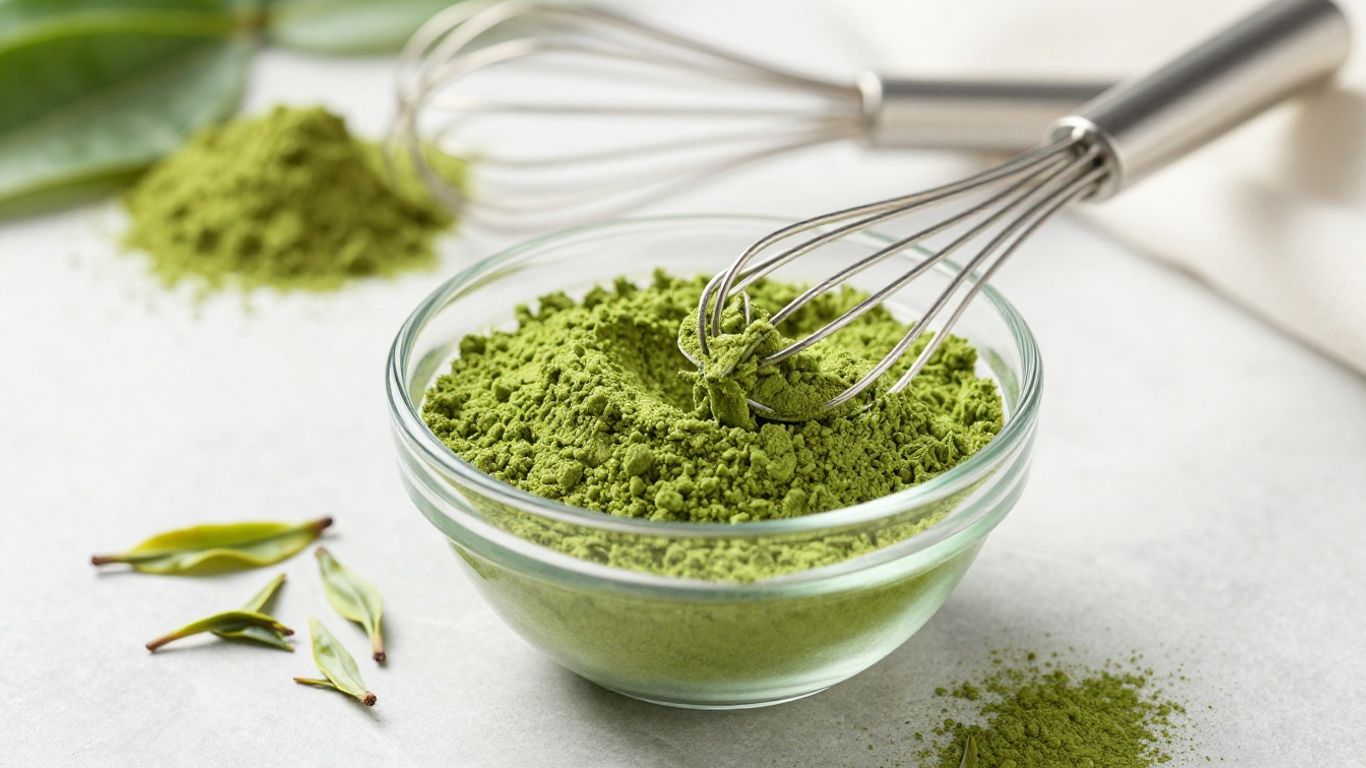
So, you're keen to get more protein into your day and you love matcha. That's a fantastic combination, really. While pure, high-quality matcha from places like Uji and Yame in Japan, which we proudly import, has a small amount of protein, it's not typically considered a primary protein source on its own. The real magic happens when we get a bit creative.
Creative Ways to Boost Your Matcha Intake
Think beyond just a simple whisked bowl. Adding matcha to your existing protein routine can be super easy and tasty. We're talking about making your everyday meals and drinks work harder for you nutritionally.
- Morning Smoothie Upgrade: Blend a teaspoon of your favourite matcha powder with your usual protein shake ingredients. It adds a lovely flavour and an extra nutritional kick.
- Yoghurt Parfait Power-Up: Swirl a bit of matcha into plain Greek yogurt before layering it with granola and fruit. It's a simple way to make breakfast more interesting.
- Baked Goods Boost: Incorporate matcha into muffins, pancakes, or even cookies. Just remember that heat can affect some of the delicate compounds, so keep baking times moderate.
Matcha Recipes for a Protein Punch
For those who want to really lean into the protein aspect, there are some great recipes out there. Many people find that combining matcha with protein powder creates a really satisfying drink that supports both energy and recovery.
Here’s a quick idea for a protein-packed latte:
| Ingredient | Amount |
| :------------------ | :------------ | |
| Matcha Powder | 1 tsp |
| Vanilla Protein Powder | 1 scoop |
| Milk (dairy/plant) | 1 cup |
| Sweetener (optional)| To taste |
Just blend it all up and you've got a delicious, protein-rich beverage. It’s a great way to get about 10g of protein, depending on your protein powder choice. You can find more ideas like this for an iced protein matcha latte.
When you're looking to add protein, especially with something as nuanced as matcha, it's good to think about how the flavours will work together. A good quality matcha, like the ones we source from Japan, has a natural sweetness and umami that pairs surprisingly well with vanilla or even unflavoured protein powders. It’s not just about the numbers; it’s about creating something enjoyable that you’ll actually want to drink regularly.
Choosing the Right Protein Matcha Blend
If you're looking for convenience, some brands now offer pre-mixed protein matcha powders. These can be a good option, but it's always worth checking the ingredients. We believe in the purity of traditional matcha, but we also see the innovation in blends that add protein. When selecting a product, look for:
- Quality Matcha Base: Ensure the matcha itself is of good quality, ideally ceremonial or premium grade.
- Protein Source: Check what type of protein is added (whey, soy, pea, etc.) and if it suits your dietary needs.
- Minimal Additives: Look for blends with fewer artificial ingredients or excessive fillers.
It's all about finding that balance that works for your taste and your health goals. We're always excited to see how people are incorporating matcha into their lives, and adding protein is a smart move for many.
Beyond Protein: Other Matcha Benefits
While we're all keen to explore the protein potential of matcha, it's important to remember that this vibrant green powder is a nutritional powerhouse in many other ways too. As a local Australian importer of authentic Japanese matcha from Uji and Yame, we see firsthand how these diverse benefits contribute to its popularity.
The Power of Antioxidants in Matcha
Matcha is absolutely loaded with antioxidants, particularly a type called catechins. The most famous of these is EGCG (epigallocatechin gallate). Think of antioxidants as your body's little protectors, fighting off damage from things like pollution and stress. Because you're consuming the whole tea leaf when you drink matcha, you get a much higher dose of these beneficial compounds compared to regular steeped green tea. This high antioxidant content is a big reason why matcha is often called a 'superfood'.
L-Theanine for Calm Alertness
One of the most unique things about matcha is its ability to give you energy without the jitters. This is thanks to an amino acid called L-theanine. It works with the caffeine naturally present in matcha to create a state of 'calm alertness'. You feel focused and energised, but also relaxed. It's a pretty special combination that many people find helps with concentration and productivity throughout the day. It's quite different from the sharp spike and crash you might get from other sources of caffeine.
Vitamins and Minerals Found in Matcha
Beyond the antioxidants and L-theanine, matcha also brings a good mix of vitamins and minerals to the table. While it's not a primary source for most of these, they contribute to its overall nutritional value. You'll find small amounts of:
- Vitamin A
- Vitamin C
- Vitamin E
- Vitamin K
- B-complex vitamins
- Minerals like selenium, chromium, zinc, and magnesium.
These nutrients play various roles in keeping your body functioning well. It's a nice bonus on top of everything else matcha offers. If you're looking to add a bit more goodness to your daily routine, exploring high-quality matcha is a great step. We're always happy to help you find the perfect authentic Japanese matcha for your needs.
The way matcha is grown and processed is key to its unique benefits. Shade-growing the tea plants for several weeks before harvest significantly boosts chlorophyll and L-theanine levels, while also contributing to that beautiful vibrant green colour and smooth flavour. This careful cultivation is what sets premium matcha apart.
Navigating the Matcha Market
So, you're keen to find some top-notch matcha, maybe even one with a protein boost. It can feel a bit like a treasure hunt out there, with so many options popping up. As a local Australian importer of authentic Japanese matcha from Uji and Yame, we've seen the market grow, and we want to help you find what you're looking for.
Identifying Quality Matcha Brands
When you're looking for good matcha, what should you really be looking for? It's not just about the pretty green colour, though that's a good start. High-quality matcha should be a vibrant, almost electric green. If it looks a bit dull or yellowish, that's usually a sign that older leaves were used, or it wasn't processed quite right. We always recommend looking for brands that are transparent about where their matcha comes from. For us, that means sourcing directly from the renowned regions of Uji and Yame in Japan, known for centuries of tea-making tradition.
- Colour: Bright, vibrant green is key.
- Texture: It should feel silky smooth, not gritty.
- Origin: Look for specific regions in Japan, like Uji or Yame.
- Processing: Information about shade-growing and stone-grinding is a good sign.
Understanding Matcha Labeling
Labels can be confusing, right? You'll see terms like 'Ceremonial Grade' and 'Culinary Grade'. Ceremonial grade is typically made from the youngest leaves and is best enjoyed on its own, whisked with hot water. Culinary grade is usually a bit more robust in flavour, designed to stand up to other ingredients in lattes, smoothies, or baking. If you're looking for protein-enhanced products, read the ingredients list carefully. Some brands might add protein powder, while others might focus on naturally occurring protein from the tea itself. We focus on providing pure, high-grade matcha that lets the natural benefits shine through.
Tips for Sourcing Premium Matcha
Finding that perfect matcha often comes down to a few simple steps. Don't be afraid to ask questions if you're unsure about a product. Checking out reviews can also give you a good idea of what others think. If you're buying in bulk, it's worth looking into suppliers who can offer consistent quality and reliable delivery. We pride ourselves on being a dependable source for Australian businesses and enthusiasts alike, bringing the best of Japanese matcha right to your doorstep. For those looking to buy matcha powder in bulk, understanding these factors can help you assess quality and value [eae5].
When you're choosing matcha, think about how you plan to use it. For a pure, mindful experience, go for the highest grade you can find. If you're mixing it into drinks or food, a good quality culinary grade will work wonderfully. And always remember, the best matcha is the one that tastes great to you!
We've tried a lot of matcha ourselves, and it's always interesting to see which ones stand out. Some are fantastic for a straight-up ceremonial cup, while others are surprisingly good in a latte. It's a good idea to explore different options to find your personal favourite [a57a].
Thinking about diving into the world of matcha? It can seem a bit tricky at first with all the different types and prices. We make it simple to find exactly what you're looking for, whether you're a beginner or a seasoned matcha lover. Ready to find your perfect matcha? Visit our website today to explore our selection and learn more!
So, Does Matcha Have Protein?
Alright, let's wrap this up. We've looked at the facts, and it's pretty clear: plain, traditional matcha powder itself doesn't pack a significant protein punch. We're talking maybe a gram or two per serving, which is nice, but not really enough to call it a protein source on its own. However, the conversation gets a lot more interesting when we consider the newer products out there, like those from Matcha Masta and others. These brands are intentionally blending matcha with protein powder, creating a convenient way to get both the benefits of matcha and a good dose of protein in one go. So, if you're looking to boost your protein intake while enjoying your matcha, these specialized blends are definitely worth exploring. It’s a smart move for anyone wanting that extra nutritional edge in their daily routine.
Frequently Asked Questions
Does regular matcha powder have a lot of protein?
Pure matcha powder doesn't have a huge amount of protein. A small serving, like half a teaspoon, might have around 0.3 grams of protein. It's more known for its antioxidants and other good stuff. If you're looking for a big protein boost, you might need to look at special matcha products or add protein to your drink.
What is 'protein matcha'?
'Protein matcha' usually means matcha powder that has extra protein added to it, like whey or plant-based protein. These products are made for people who want the benefits of matcha plus a good dose of protein, often for fitness or to feel fuller longer.
Can matcha help me build muscle?
Matcha itself has a little protein, which is important for your body, but it's not enough on its own to significantly help build muscle. However, if you use a 'protein matcha' blend or add protein powder to your regular matcha, then yes, the extra protein can definitely help with muscle repair and growth, especially after exercise.
Is it better to drink matcha with protein or just plain matcha?
It depends on what you're looking for! Plain matcha is great for antioxidants, calm focus, and a gentle energy boost. If you want to feel fuller, support muscle recovery, or increase your daily protein intake, then adding protein powder or choosing a protein-enhanced matcha blend would be a better choice.
How much protein is in a typical protein matcha drink?
The amount of protein can vary a lot depending on the brand and how it's made. Some protein matcha powders might add around 10-20 grams of protein per serving. It's always a good idea to check the nutrition label on the product to know exactly how much protein you're getting.
Can I add my own protein powder to regular matcha?
Absolutely! That's a super easy way to get both matcha's benefits and a protein boost. Just whisk your regular matcha as usual and then stir in your favorite protein powder. It's a simple way to make your matcha drink more filling and nutritious.

