

Ever wondered about that vibrant green latte you grab at Dunkin'? You know, the one that's supposed to be a bit healthier and give you a nice little energy boost? Well, a lot of people are curious about what exactly goes into it, especially the matcha powder itself. It's not exactly a secret, but it's not shouted from the rooftops either. Let's take a peek behind the counter and see what matcha powder Dunkin' uses for their lattes.
Key Takeaways
- Dunkin' uses a pre-sweetened matcha powder blend for their lattes.
- The matcha powder is sourced from the Nishio region in Aichi, Japan, known for quality matcha.
- This pre-sweetened blend differs from some competitors who offer unsweetened options.
- Preparation methods at Dunkin' can sometimes lead to a less smooth texture compared to other chains.
- Customizing your Dunkin' matcha latte with flavor shots or cold foam is a popular way to personalize the drink.
Understanding Dunkin's Matcha Powder Source
The Nishio Region: A Hub for Premium Matcha
When you're sipping on a Dunkin' matcha latte, you're tasting matcha that comes from a very specific place: the Nishio region in Japan's Aichi prefecture. This area has a long history, over 800 years, of growing tea leaves perfect for matcha. It's a spot that's really known for producing good quality matcha, and it's where Dunkin' has chosen to source its powder from since they started offering matcha lattes in 2020. Think of it as a dedicated area for matcha cultivation, much like how certain regions in Australia are famous for their Shiraz or Chardonnay.
Dunkin's Commitment to Quality Ingredients
Dunkin' states that they aim for a quality experience with their matcha. They use a blend that's sourced from Nishio, Japan, a region with a long-standing reputation for growing fine matcha. This suggests a deliberate choice to use a specific type of matcha powder known for its characteristics. While we, as importers of authentic Japanese matcha from Uji and Yame, know the nuances that make each region unique, it's clear Dunkin' is looking to a well-regarded area for their ingredient.
Exploring the Origins of Dunkin's Matcha
The matcha powder Dunkin' uses originates from the Nishio region of Aichi, Japan. This area is recognized for its long tradition of matcha cultivation, spanning over eight centuries. Dunkin' has consistently sourced its matcha from this region since introducing matcha lattes. This focus on a specific, reputable growing area indicates a commitment to a particular standard for their matcha ingredient, aiming to provide a consistent flavor profile for their customers.
The Sweetness Factor: What Matcha Powder Does Dunkin Use
When you order a matcha latte at Dunkin', it's important to know that you're not getting the pure, unadulterated matcha powder that you might find at a specialty tea shop. We, as importers of authentic Japanese matcha from Uji and Yame, understand the nuances of true matcha. Dunkin' uses a pre-sweetened matcha blend. This means that sugar is already mixed into the powder before it even reaches the barista.
Dunkin's Pre-Sweetened Matcha Blend
Dunkin' sources its matcha powder from the Nishio region in Aichi, Japan. While Nishio is known for producing good quality matcha, the blend used by Dunkin' is specifically formulated to be sweet. This is a key difference from the ceremonial or premium grades of matcha that we import, which are typically unsweetened to allow the natural, complex flavours of the tea to shine through. The pre-sweetened nature of Dunkin's powder is a significant factor in the final taste of their lattes.
Comparing Sweetened vs. Unsweetened Matcha
The difference between sweetened and unsweetened matcha is quite pronounced. Unsweetened matcha, like the kind you'd find from Uji or Yame, has a rich, vegetal flavour profile with notes of umami and a subtle bitterness that's actually quite pleasant. It's a flavour that can be appreciated on its own. Dunkin's pre-sweetened blend, on the other hand, has that sweetness built-in, which can mask some of the more delicate matcha characteristics. This makes it more approachable for those new to matcha or who prefer a sweeter beverage.
| Feature | Dunkin's Matcha Blend | Premium Unsweetened Matcha |
|---|---|---|
| Sweetener | Pre-sweetened | Unsweetened |
| Primary Flavor | Sweet, mild | Vegetal, umami, complex |
| Preparation | Mixed with milk/water | Traditionally whisked |
Impact of Sweeteners on Matcha Flavor Profile
Adding sweeteners, whether they're already in the powder or added separately, definitely changes the matcha experience. For those who enjoy a sweeter drink, Dunkin's choice makes sense. It ensures a consistent level of sweetness in every cup. However, for tea enthusiasts who appreciate the pure, earthy notes and the subtle bitterness that signifies high-quality matcha, this pre-sweetened approach might not be ideal. It's like comparing a fine wine to a wine cooler; both are enjoyable, but they offer very different flavour journeys. If you're looking to explore the true taste of matcha, you might want to try authentic Japanese matcha from a dedicated importer.
Matcha Preparation: How Dunkin' Crafts Their Lattes
Dunkin's Standard Preparation Method
When you order a matcha latte at Dunkin', the standard preparation involves a few key steps. The process begins with their pre-sweetened matcha powder blend. This powder is typically combined directly with the milk of your choice. The goal is to create a smooth, integrated beverage. While some baristas might deviate slightly, the official method aims for simplicity and speed, which is understandable for a busy chain. For those of us who appreciate the nuances of traditional matcha preparation, this method is quite different from the meticulous whisking with warm water that brings out the best in high-quality matcha, like the ceremonial grade we import from Uji and Yame.
Barista Variations in Matcha Preparation
It's interesting to note that not all Dunkin' locations or baristas prepare matcha the exact same way. While the official guideline is to mix the powder with milk, some baristas might opt for a different approach. You might find that some will hand-shake the matcha with a bit of water first, or even use a blender if the store allows it. These variations can significantly impact the final texture and taste. It really depends on the individual barista's training and the specific store's operational flexibility. This is why sometimes your latte might be perfectly smooth, and other times, you might encounter a few clumps.
The Role of Preparation in Matcha Texture
The way matcha is prepared plays a massive role in its final texture. Traditional methods, using a bamboo whisk (chasen) and warm water, create a frothy, smooth suspension of the fine matcha particles. This process helps to break down any small clumps and evenly distribute the powder. Dunkin's method, while efficient, doesn't always achieve this level of smoothness. The pre-sweetened blend can also contribute to how easily it mixes. If you're used to the velvety texture of expertly prepared matcha, you might notice a difference. It's a reminder of how much technique matters when working with this delicate tea. We often see this difference when comparing our carefully sourced Japanese matcha to mass-produced blends.
Here's a quick look at how different preparation styles can affect the outcome:
- Traditional Whisking: Creates a smooth, frothy texture with no clumps. Best for high-quality, pure matcha.
- Dunkin's Standard Method: Powder mixed directly with milk. Can sometimes result in clumps and a less integrated texture.
- Blender Method: Can help break up clumps but might alter the texture slightly compared to whisking.
The preparation method is key to unlocking the full potential of matcha. While convenience is important, the traditional approach truly highlights the tea's natural flavour and smooth consistency, something we're passionate about sharing with our customers.
Dunkin's Matcha vs. The Competition
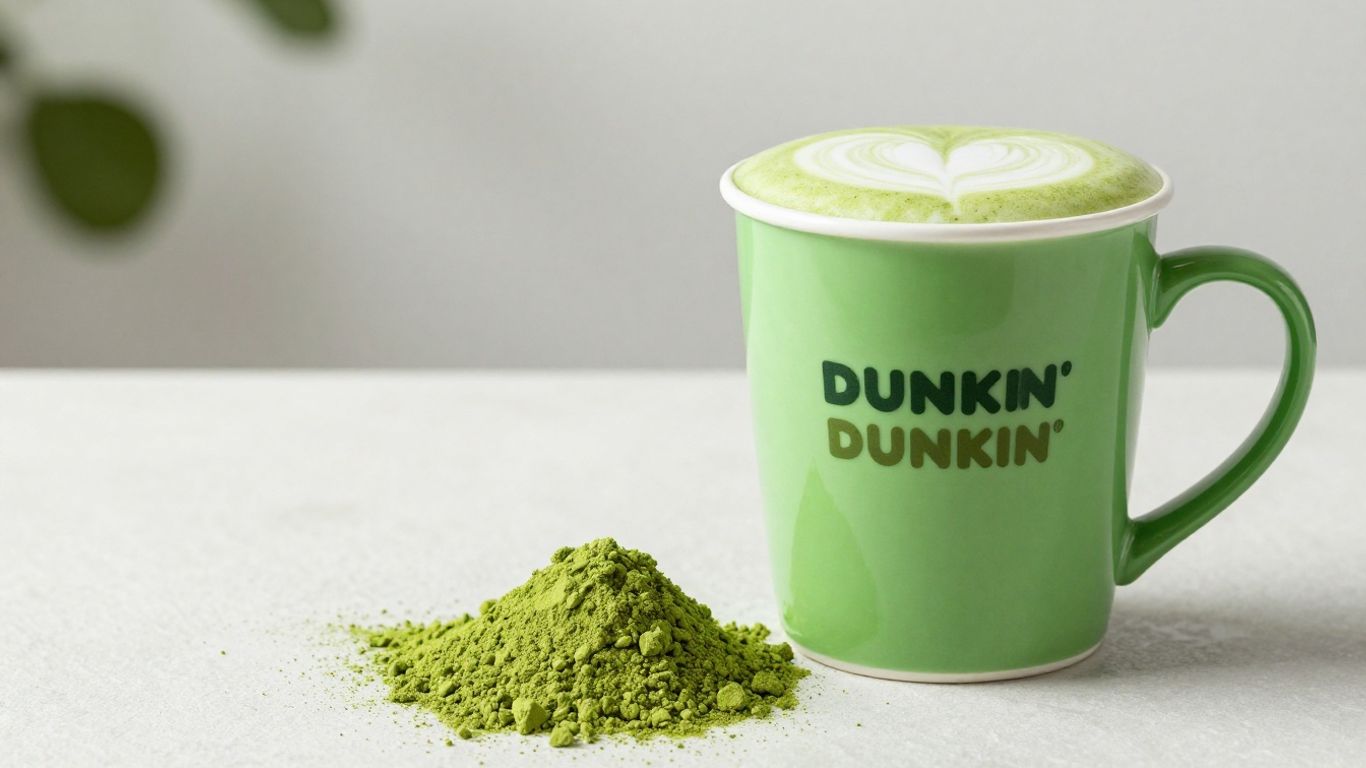
A Comparative Look at Starbucks' Matcha
When you're on the go and craving a matcha latte, Dunkin' and Starbucks are often the most convenient options. While neither might be your go-to for a truly traditional matcha experience – that's something we pride ourselves on offering here at [Your Australian Matcha Importer Name], sourcing authentic matcha from Uji and Yame – it's helpful to know how these big chains stack up.
Key Differences in Matcha Offerings
It's not just about the taste; there are several distinctions between Dunkin's and Starbucks' matcha lattes that might influence your choice.
- Sweetness: Dunkin's matcha blend comes pre-sweetened by default. Starbucks, on the other hand, offers a less sweet base, allowing for more customization.
- Preparation: Dunkin' typically hand-stirs their matcha powder with milk, which can sometimes lead to a less smooth texture. Starbucks has experimented with its preparation methods, aiming for a smoother consistency, though it still deviates from traditional whisking techniques.
- Caffeine Content: Dunkin's matcha lattes generally contain a bit more caffeine than Starbucks's, around 80mg for a 16oz iced latte compared to Starbucks's 65mg. However, the actual extraction of caffeine can vary based on preparation.
- Price: While prices can fluctuate, Starbucks's matcha offerings tend to be slightly more expensive than Dunkin's.
Choosing Your Preferred Matcha Experience
Ultimately, the 'better' choice depends on what you're looking for. If you prefer a sweeter drink and don't mind a potentially less smooth texture, Dunkin' might be your pick. If you're looking for something less sweet and potentially smoother, and don't mind paying a little extra, Starbucks could be the way to go. For those who appreciate the nuanced, pure flavour of high-quality matcha, however, exploring dedicated tea purveyors is always the most rewarding path.
While both chains use matcha powder, the way it's sweetened and prepared significantly alters the final drink. It's a far cry from the careful preparation of ceremonial grade matcha, where the focus is on highlighting the natural flavour and benefits of the tea itself.
Exploring the Flavor and Caffeine in Dunkin's Matcha
The Earthy Notes of Matcha
Matcha, at its core, offers a distinct flavour profile that's quite different from your everyday green tea. It's known for its rich, vegetal notes, often described as earthy or even a little grassy. Think of the deep green scent of a forest after rain – that's the kind of complexity you can expect. For those of us who appreciate the nuances of a truly authentic Japanese matcha, like the ceremonial grades we import from Uji and Yame, this earthy character is a sign of quality. Dunkin's blend, being pre-sweetened, aims for a more approachable flavour. The added sweetness helps to round out those bolder, earthy notes, making it palatable for a wider audience. It's a clever way to introduce people to matcha, though it does mask some of the finer, more subtle characteristics you'd find in a pure, high-grade powder.
Caffeine Content in Dunkin's Matcha Lattes
If you're looking for a bit of a pick-me-up, Dunkin's matcha lattes do pack a decent caffeine punch. While the exact amount can vary, a standard 16-ounce iced matcha latte from Dunkin' is estimated to contain around 80 mg of caffeine. This is a bit more than what you might find in a similar drink at other popular chains. It's worth noting that the caffeine in matcha comes along with L-theanine, an amino acid that promotes relaxation without drowsiness. This combination is often credited with providing a calm, focused energy. However, the way the matcha is prepared can affect how much caffeine is actually extracted. Traditional methods, involving warm water and a whisk, are best for releasing the full caffeine potential. Dunkin's method, while convenient, might not be as efficient in this regard.
Potential Health Benefits of Matcha Consumption
Matcha isn't just about flavour and caffeine; it's also celebrated for its potential health benefits. Because you're consuming the whole tea leaf, you get a concentrated dose of antioxidants, particularly catechins like EGCG. These compounds are known for their anti-inflammatory properties and can play a role in protecting your body against cell damage. Studies have suggested that regular matcha consumption might support heart health, aid in managing blood sugar levels, and even contribute to improved brain function. While Dunkin's pre-sweetened blend means you're also consuming added sugars, incorporating matcha into your diet, even in this form, can still offer some of these wellness advantages. For those seeking the purest form of these benefits, exploring single-origin matcha powders is always an option.
It's interesting how different preparation methods and added ingredients can alter the final taste and even the perceived benefits of a drink like matcha. While convenience is key for many, understanding these differences helps us appreciate the full spectrum of what matcha has to offer.
Customizing Your Dunkin' Matcha Experience
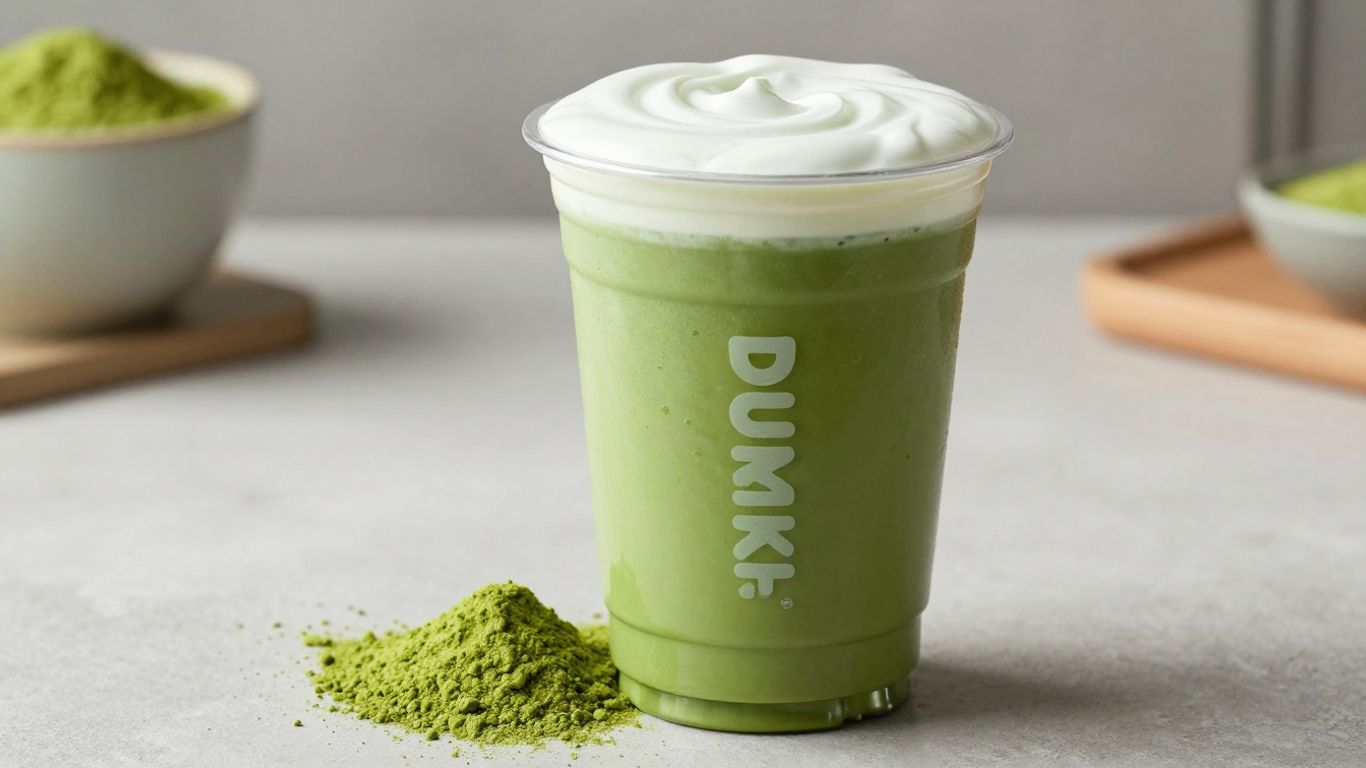
Personalizing Your Matcha Latte
So, you've got your Dunkin' matcha latte, and it's pretty good, right? But what if you want to make it your matcha latte? Dunkin' actually gives you a fair bit of wiggle room to tweak things. The base matcha powder they use is already sweetened, which is a big part of its flavour profile. If you're keen on a purer matcha taste, you might find it a bit different from the authentic Japanese matcha we import from Uji and Yame. Still, you can adjust the sweetness and milk. Want it less sweet? Ask for fewer pumps of syrup or less caramel. Prefer it richer? Maybe add an extra shot of flavour. It’s all about finding that sweet spot for your taste buds.
The Role of Flavor Additions
This is where things get really interesting. Dunkin' offers a range of flavour shots and swirls that can completely change your matcha latte. Think about adding a shot of raspberry or blueberry – it can give it a fruity twist that’s quite refreshing, especially in an iced latte. Some people even experiment with adding swirls like caramel or mocha, though this can really move it away from a traditional matcha flavour. It’s a fun way to experiment, but remember, these additions can mask the delicate, earthy notes of the matcha itself. If you're curious about how different flavours interact, it's worth trying a small addition first.
Elevating Your Drink with Cold Foam
Cold foam is a game-changer for texture, and it works surprisingly well with matcha. It adds a creamy, frothy layer on top that makes the whole drink feel more luxurious. You can get it plain, or sometimes Dunkin' offers flavoured cold foams. A vanilla sweet cream cold foam on top of your matcha latte? It sounds a bit decadent, but it can create a really nice contrast between the creamy foam and the slightly earthy matcha underneath. It’s a simple addition that really makes your drink feel a bit more special, turning a standard latte into something a bit more indulgent. It’s a popular choice for a reason, and it’s definitely worth trying if you haven’t already.
Want to make your Dunkin' matcha drink extra special? You can totally change up how you enjoy it! Think about adding different flavors or toppings to make it your own. It's all about creating your perfect sip. Ready to explore all the ways you can customize your drink? Visit our website to find out more!
So, What's the Matcha Secret?
Well, we've taken a good look at what goes into Dunkin's matcha lattes. It turns out they're using a sweetened matcha blend sourced from the Nishio region in Japan, an area known for quality. While it might not be the most traditional preparation, it's what gives their lattes that familiar taste many people enjoy. It's always interesting to see how different places put their own spin on things, right? Maybe this helps you decide if it's the right matcha for you, or perhaps it inspires you to explore even more matcha options out there. Cheers to more matcha discoveries!
Frequently Asked Questions
Where does Dunkin' get its matcha powder from?
Dunkin' uses matcha powder that comes from the Nishio region in Aichi, Japan. This area is known for growing really good matcha, and has been doing so for over 800 years!
Is Dunkin's matcha powder sweetened?
Yes, Dunkin's matcha powder is typically pre-sweetened. This means it already has sugar mixed in, which gives their matcha lattes a sweeter taste right from the start.
How is Dunkin's matcha latte made?
Dunkin' usually mixes their matcha powder with milk. Sometimes, baristas might mix it with water first or even use a blender, but the standard way is to stir it in with the milk.
Does Dunkin's matcha taste different from Starbucks's?
Yes, they can taste different! Dunkin's matcha is pre-sweetened, giving it a sweeter flavor. Starbucks recently changed its matcha to be unsweetened, so it tastes more like the pure matcha flavor, which can be a bit bitter if you're not used to it.
How much caffeine is in a Dunkin' matcha latte?
A medium iced matcha latte from Dunkin' usually has about 80 mg of caffeine. This is a bit more than Starbucks's matcha, which has around 65 mg for the same size.
Can I add flavors to my Dunkin' matcha latte?
Absolutely! You can add different flavor shots or swirls to your matcha latte at Dunkin' to make it taste just how you like it. You can also add cold foam for an extra creamy topping.

