

So, you've probably had a Starbucks matcha latte or maybe a Frappuccino and wondered, 'What matcha powder does Starbucks use?' It's a fair question, especially since the flavor can be so distinct. Many people are curious about the quality and origin of the green stuff that goes into their favorite drinks. Let's break down what makes Starbucks' matcha, well, Starbucks' matcha.
Key Takeaways
- Starbucks now uses an unsweetened matcha powder, a change from their previous sweetened blend.
- The matcha is sourced exclusively from Japan, known for its high-quality tea production.
- This unsweetened matcha is made from shade-grown tencha leaves, which are then stone-ground.
- Compared to competitors like Dunkin', Starbucks' unsweetened option allows for more control over drink sweetness.
- Starbucks prepares its matcha by blending it with milk, which helps reduce clumping issues.
Understanding Starbucks' Matcha Powder Choice
The Evolution of Starbucks' Matcha Blend
Starbucks has certainly made waves in the coffee world, but their matcha game is also something to talk about. If you've enjoyed a Starbucks Matcha Latte or Frappuccino, you've probably wondered about that bright green powder. For a while, Starbucks used a pre-sweetened matcha blend. However, they've since updated their formula. They now use an unsweetened matcha powder, sourced exclusively from Japan. This shift is a big deal for flavour, moving towards a cleaner ingredient profile that many consumers are looking for these days. It’s a move that aligns with a growing appreciation for authentic matcha experiences, something we at [Your Australian Matcha Importer Name] are passionate about, bringing you the finest matcha from Uji and Yame.
Key Characteristics of Their Matcha
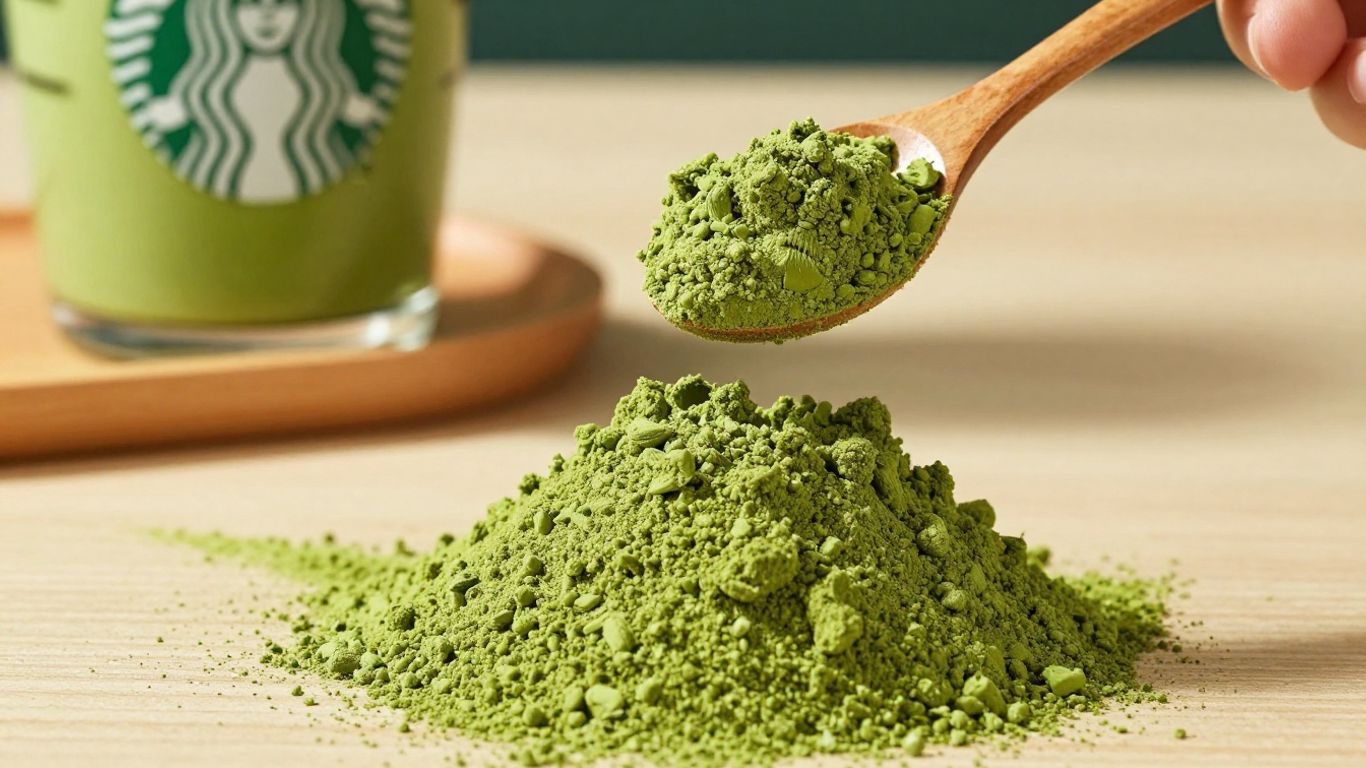
So, what makes Starbucks' current matcha stand out? It's all about the leaves. The powder is made from tencha leaves, which are shade-grown before being finely stone-ground. This traditional process is key to developing that rich, vibrant green colour and a smoother flavour profile. While we can't pinpoint the exact farm, the fact that it's solely from Japan suggests a commitment to quality, as Japan is renowned for its high standards in matcha production. This unsweetened base means the natural flavour of the matcha comes through more clearly, allowing for better customisation with sweeteners or other additions.
Sourcing and Quality Considerations
When it comes to sourcing, Starbucks' move to an all-Japanese, unsweetened powder is a significant step. Traditionally, high-quality matcha comes from specific regions in Japan, like Uji and Nishio, known for their ideal growing conditions and meticulous processing. This focus on origin is something we deeply respect and practice ourselves, importing directly from these celebrated areas. The unsweetened nature of their current blend allows the inherent qualities of the matcha – its subtle sweetness, umami notes, and slight bitterness – to be more apparent. This gives consumers, and especially tea enthusiasts like yourselves, a better canvas to work with, whether you prefer it pure or customised.
The shift to an unsweetened, Japanese-sourced matcha powder by Starbucks marks a notable change in their beverage strategy. It allows for a more authentic flavour profile and greater flexibility in drink preparation, moving closer to the nuanced taste appreciated by matcha connoisseurs.
Exploring the Origins of Starbucks' Matcha
When we talk about Starbucks' matcha, it's helpful to understand where this vibrant green powder comes from. While Japan is globally recognised for its high-quality matcha, the landscape of its production is quite varied. Many assume all matcha consumed worldwide originates directly from Japan, but it's a bit more complex. For instance, a significant portion of what's marketed as "Japanese" matcha is actually cultivated elsewhere, with Japan often acting as a processing and branding centre. This is why, as a local Australian importer of authentic Japanese matcha from Uji and Yame, we appreciate the nuances of sourcing.
The Significance of Tencha Leaves
The journey to Starbucks' matcha powder begins with a specific type of tea leaf: tencha. These aren't just any tea leaves; they are the foundation of all high-quality matcha. Tencha leaves are carefully shade-grown for a period before harvest. This shading process is key, as it increases chlorophyll production and theanine content in the leaves, leading to that characteristic vibrant green colour and a smoother, less bitter flavour profile. After harvesting, the leaves are steamed, dried, and de-veined, with the stems and veins removed. What remains are the pure leaf flesh, which is then meticulously stone-ground into the fine powder we recognise as matcha.
Regional Matcha Production Hubs
Japan boasts several regions renowned for their matcha cultivation, each with its own unique characteristics. Uji, in Kyoto prefecture, is one of the oldest and most respected matcha-producing regions, known for its ceremonial-grade matcha. Another prominent area is Nishio, in Aichi prefecture, which also produces excellent quality matcha. These regions benefit from ideal climatic conditions and generations of farming knowledge. While Starbucks doesn't publicly disclose the exact origin of their matcha within Japan, their shift to an unsweetened, Japanese-sourced powder suggests a focus on these premium growing areas. It's a move that aligns with the growing appreciation for authentic matcha flavour among enthusiasts, much like the pure matcha we bring to Australia.
The quality of matcha is deeply tied to its cultivation and processing. Shade-growing, careful harvesting, and meticulous grinding are all vital steps that contribute to the final taste and vibrant colour.
Japanese Tea Leaf Cultivation
Cultivating tea for matcha is an art form that requires specific techniques and a deep understanding of the plant. The shade-growing method, which can last for several weeks, is perhaps the most defining aspect. This practice shields the tea bushes from direct sunlight, forcing them to produce more chlorophyll and amino acids, particularly L-theanine. This results in a richer, sweeter flavour and a more intense green hue compared to regular green tea. The meticulous care taken during cultivation directly impacts the final product's quality and flavour profile, making it a significant factor in the matcha's overall character.

Comparing Starbucks' Matcha to Competitors
Starbucks vs. Dunkin' Matcha Powder
When you're grabbing a matcha on the go, the choices can feel a bit limited, especially if you're not near a dedicated tea house. Starbucks and Dunkin' are often the most accessible options, but how do their matcha powders stack up? It's a question many tea lovers ponder. We've found that Starbucks made a significant shift recently, moving to an unsweetened matcha powder sourced exclusively from Japan. This is a big deal for flavour purists. Dunkin', on the other hand, still uses a pre-sweetened blend, which they've been using since 2020. While their matcha comes from the Nishio region in Japan, known for quality, the pre-sweetened aspect means less control over the final taste.
Sweetened vs. Unsweetened Matcha
This is where the real difference lies for many of us who appreciate the nuanced flavour of matcha. Starbucks' move to unsweetened powder means you get to taste the matcha itself, with its inherent vegetal notes and subtle sweetness. If you prefer a sweeter drink, you can always add your own sweeteners, giving you full control. Dunkin's approach, using a sweetened powder, means the sweetness is already built-in. For some, this is convenient. However, for those who enjoy the pure, complex taste of high-quality matcha, like the ceremonial grade we import from Uji and Yame, the pre-sweetened option can mask those delicate flavours.
Impact on Flavor Profiles
The choice between sweetened and unsweetened matcha has a direct impact on how the drink tastes. Starbucks' unsweetened matcha allows for a cleaner, more authentic flavour profile. You can really pick up on the grassy, sometimes slightly bitter, notes that are characteristic of good matcha. When you add sweeteners or other flavourings, they complement the matcha rather than trying to cover up a pre-existing sweetness. Dunkin's sweetened matcha tends to have a more uniform, sweeter taste across the board. While it might be more palatable for those new to matcha, it doesn't offer the same depth or complexity that you'd find in a traditionally prepared or unsweetened matcha.
Here's a quick look at some key differences:
- Starbucks: Unsweetened matcha powder, sourced from Japan. Offers more control over sweetness and flavour.
- Dunkin': Pre-sweetened matcha powder, sourced from Nishio, Japan. Convenient, but flavour can be less nuanced.
The preparation method also plays a role. While Starbucks uses a blender for a consistent texture, traditional whisking methods are preferred by purists for optimal froth and flavour extraction. Neither chain, however, uses warm water first, which is key for fully dissolving the matcha powder and releasing its full potential.
The Preparation and Texture of Starbucks' Matcha
When you order a matcha latte from Starbucks, you're getting a drink that's been put together with a specific method in mind, aiming for a smooth finish. It’s a bit different from how you might prepare it at home, or how it’s done in traditional tea houses.
Blender Method for Consistency
Starbucks uses a cold foam blender to mix their matcha powder with milk. This is a key step in how they achieve a consistent texture across their drinks. They combine the unsweetened matcha powder with milk, and then blend it. This process helps to break down the powder and integrate it thoroughly with the liquid, aiming to reduce those annoying little clumps that can sometimes ruin a good matcha.
Addressing Clumping Issues
Clumping is a common challenge with matcha, especially when it's served iced. The traditional way involves whisking matcha with a small amount of hot water first, which helps create a smooth paste before adding more liquid. Starbucks’ blender method is their solution to this. While it’s not the traditional Japanese way, it does seem to work pretty well for their large-scale operation. It’s a practical approach to ensure most customers get a smooth drink, even if it means it’s not prepared with a bamboo whisk and warm water.
Traditional vs. Modern Preparation
It's worth noting that Starbucks' method is a modern adaptation. Traditional matcha preparation is a mindful ritual, often involving a bamboo whisk (chasen) and a specific bowl (chawan). The goal is to create a frothy, smooth beverage without any sediment. While Starbucks’ approach prioritizes speed and consistency for a busy cafe environment, it does differ from the artisanal methods you might find at dedicated tea shops or when preparing matcha at home. For those seeking the purest matcha experience, exploring authentic Japanese matcha, like the ceremonial grade we import from Uji and Yame, can offer a different perspective on texture and flavour. The caffeine content in matcha can vary, but generally, it provides a sustained energy boost due to L-theanine.
The shift to an unsweetened, Japanese-sourced matcha powder, combined with their blender preparation, is Starbucks' strategy to deliver a more consistent and palatable matcha drink to a wide audience. It's a practical, modern take on a traditional beverage.
Customizing Your Matcha Experience at Starbucks
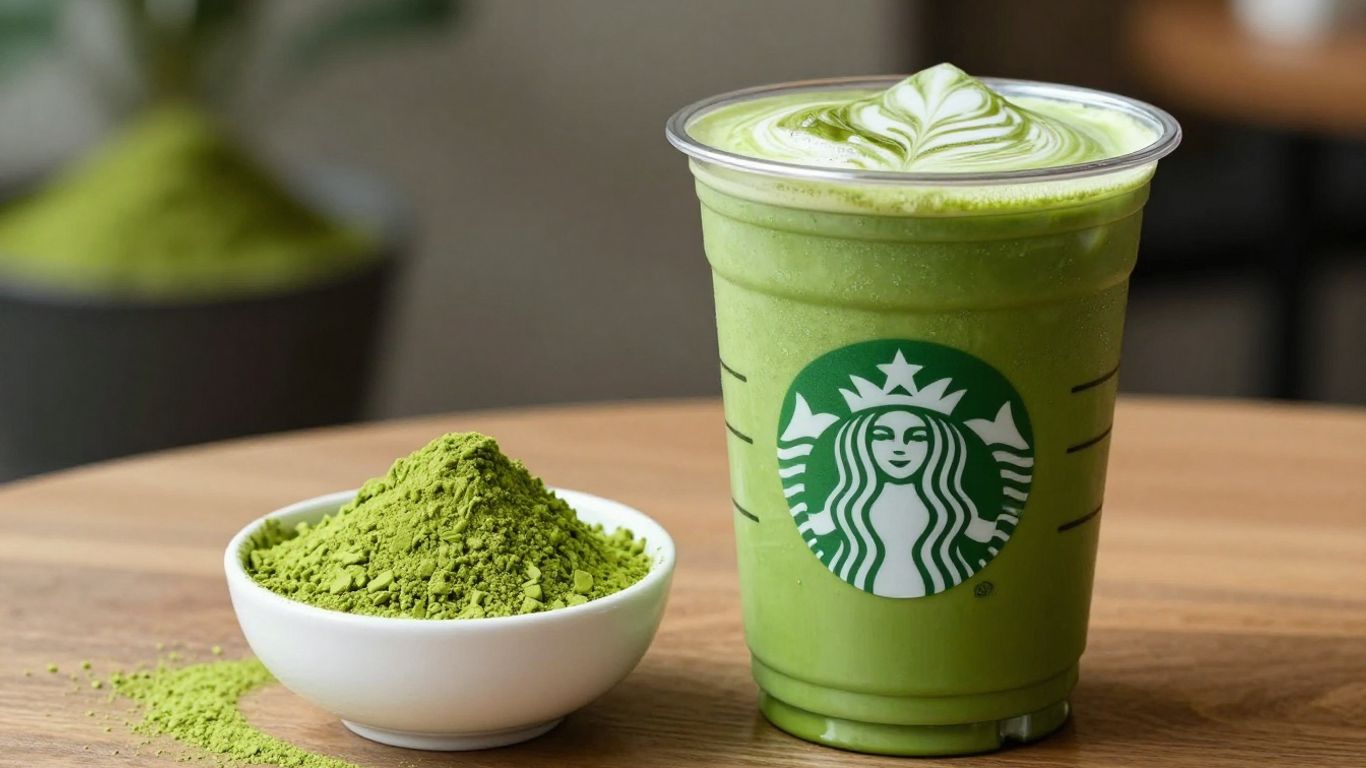
So, you've got your eye on Starbucks' matcha, and you're wondering how to make it truly your own. It's a great question, especially since they've shifted to an unsweetened powder. This change actually opens up a world of possibilities for tailoring your drink, something we appreciate as importers of authentic Japanese matcha from Uji and Yame. It means you're in the driver's seat when it comes to flavour.
Sweetener Options for Matcha
Starbucks offers a few ways to add sweetness to your matcha. Since their base powder is now unsweetened, you can control exactly how much sweetness you want. They typically have:
- Classic Syrup: This is their standard simple syrup, providing straightforward sweetness.
- Vanilla Syrup: For a bit of warmth and a different flavour profile.
- Sugar-Free Vanilla Syrup: If you're watching your sugar intake but still want that vanilla note.
The beauty of an unsweetened matcha base is that you can adjust the sweetness precisely to your liking. You can ask for just one pump of syrup, or go for a few – it's entirely up to you. This flexibility is fantastic for those who prefer a less sweet drink or want to highlight the natural, earthy notes of the matcha itself. We find this approach really lets the quality of the tea shine through, much like the ceremonial grade matcha we source.
Incorporating Matcha into Other Drinks
Don't feel limited to just a standard matcha latte! Starbucks is pretty flexible with how they add their matcha. You can ask to have it blended into a variety of drinks. Think about adding it to:
- Lemonades: For a refreshing, slightly earthy twist.
- Refreshers: To give your favourite fruity drink a green tea boost.
- Cold Foam: A fun way to add a matcha flavour layer to the top of any beverage.
This adaptability means you can get creative and invent your own signature Starbucks matcha drink. It's a fun way to experiment with flavour combinations.
Creative Matcha Combinations
Beyond the standard menu, there are always ways to get a little more adventurous. For instance, you could try adding a splash of their strawberry purée to a matcha latte for a fruity and creamy mix. Or, if you're feeling bold and it's available, a touch of lavender powder can add a unique floral note to your drink, though be aware it might alter the vibrant green colour. The unsweetened nature of the matcha powder makes it a versatile ingredient that plays well with many other flavours. It's all about finding what works for your palate, and Starbucks gives you the tools to do just that. Starbucks empowers customers to personalize their drinks, and matcha is no exception.
The Role of Matcha Quality in Your Drink
When you're enjoying a matcha latte or a refreshing iced matcha, the quality of the powder really makes a difference. It's not just about the brand name; it's about what goes into that vibrant green powder. For us here in Australia, bringing authentic Japanese matcha from places like Uji and Yame, we see firsthand how the cultivation and processing impact the final taste and experience.
Unsweetened Matcha for Flavor Purity
Starbucks made a smart move by switching to an unsweetened matcha powder. This means you get to taste the actual matcha, not just sugar. Think of it like tasting a fine wine versus a pre-mixed cocktail – you get to appreciate the nuances. An unsweetened base also gives you more control when you add your own sweeteners or other flavours. It's a cleaner canvas for your drink.
The Impact of Shade-Grown Leaves
Ever notice how the best matcha has this really bright, almost electric green colour? That's a sign of quality, and it comes from shade-growing the tea leaves. For weeks before harvest, the tea plants are covered, which boosts their chlorophyll and amino acid content. This process gives the matcha its signature colour, a richer flavour, and a smoother texture. It also means more caffeine and L-theanine, which is that compound that gives you a calm, focused energy.
Caffeine Content Considerations
Quality matcha generally has a good amount of caffeine, which is part of what makes it appealing. While it's tricky to get exact figures for every drink, higher quality matcha, like the kind we import, tends to have more. It's worth remembering that how the matcha is prepared can affect how much caffeine you actually absorb. Traditional preparation methods, which involve whisking the powder with warm water, help to release more of the caffeine and other beneficial compounds. So, while Starbucks' method is convenient, it might not extract every last bit of goodness compared to a more traditional approach.
The journey from tea leaf to your cup is complex. Factors like shade duration, leaf selection, and stone-grinding all contribute to the final flavour, colour, and even the caffeine kick you get. Understanding these elements helps you appreciate why some matcha drinks taste so much better than others.
The kind of matcha you use really changes how your drink tastes. Using good quality matcha makes a big difference, giving you a smoother, richer flavor. If you want to make the best matcha drinks, it's important to pick the best ingredients. Want to learn more about what makes matcha great? Visit our website to discover the difference quality makes!
So, What's the Matcha Verdict?
Alright, so we've taken a good look at what goes into those vibrant green drinks at Starbucks. It turns out, they've made some shifts, moving towards an unsweetened matcha powder sourced from Japan. This change seems to be a big deal for getting that better flavor, especially if you're someone who likes to control the sweetness yourself or really taste the matcha. While it's not prepared in the super traditional way with a whisk, their current method helps avoid those annoying clumps. It's pretty cool how much thought goes into these ingredients, right? Whether you're a matcha pro or just starting out, knowing this little detail might just make your next Starbucks run a bit more interesting. Cheers to good matcha!
Read more: Unlock Premium Quality: Your Guide to Sourcing Matcha Wholesale

