

So, you're curious about what matcha Dunkin' actually uses, right? It's a question a lot of people have, especially with how popular matcha has become. Dunkin' jumped on the matcha train a few years back, adding it to their menu. But what's in that green drink? We're going to break down where their matcha comes from, what's in the blend, and what people think about it. Let's get into it.
Key Takeaways
- Dunkin' gets its matcha powder from Nishio, Japan, a region known for producing fine matcha.
- The matcha Dunkin' uses is a blend that includes cane sugar and fruit pectin, making it sweeter and smoother than traditional matcha.
- Dunkin' offers both iced and hot matcha lattes, with options for customers to customize sweetness and milk choices.
- While Dunkin's matcha is seen as affordable and approachable, some find it too sweet if they prefer a more intense matcha flavor.
- The specific brand Dunkin' uses isn't officially named, but they state it's sourced from reputable suppliers in Nishio, Japan.
Understanding Dunkin's Matcha Source
The Origin of Dunkin's Matcha Powder
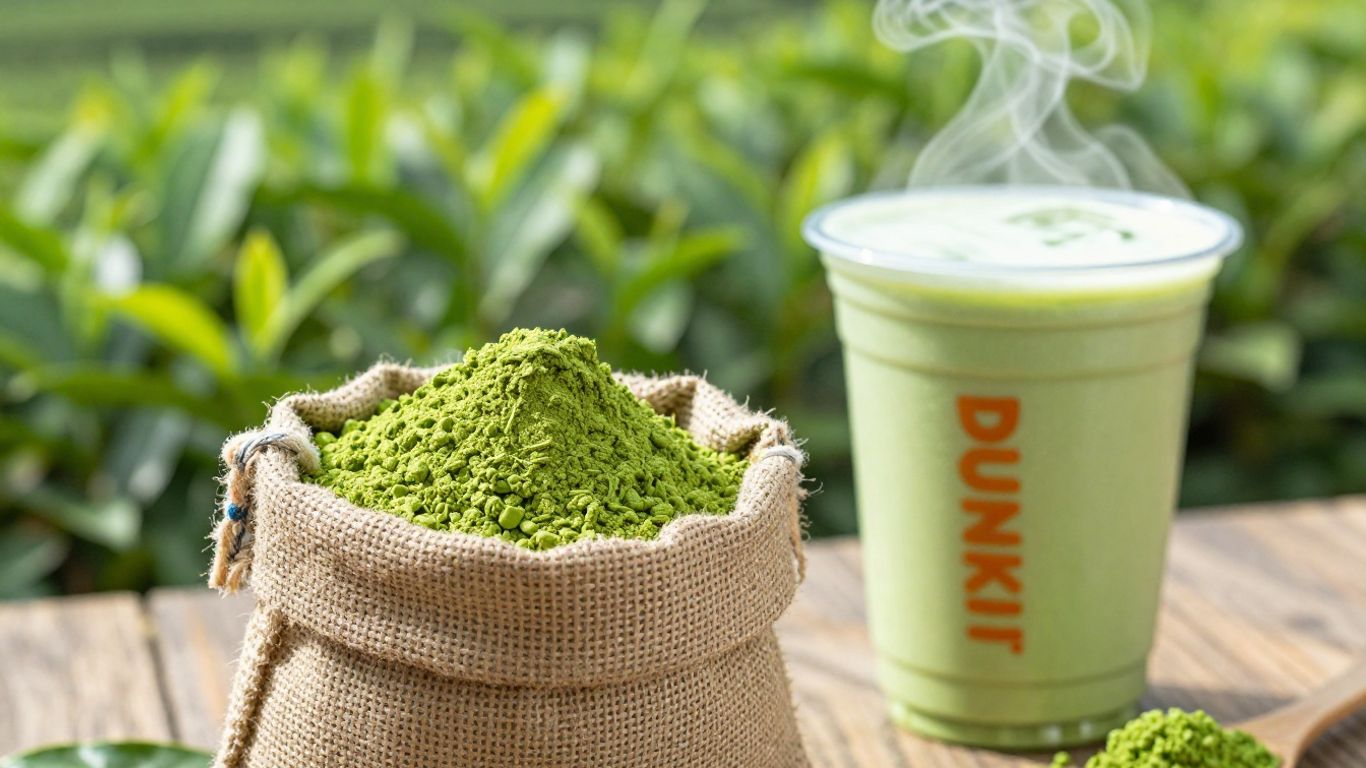
So, you're curious about the green stuff in your Dunkin' latte? It's a fair question, especially when you're used to the nuanced flavours of traditional Japanese matcha. Dunkin' sources its matcha powder from a specific region in Japan known for its tea cultivation. This powder comes from Nishio, a city located in Japan's Aichi prefecture. Nishio has a long-standing reputation for producing high-quality matcha, which is a key reason why Dunkin' chose this area for their ingredient. It’s not just any tea leaf; it’s specifically grown and processed to become matcha.
Nishio, Japan: A Hub for Fine Matcha
Nishio isn't just any town; it's a place with a deep-rooted history in matcha production, boasting over eight centuries of tradition. This dedicated cultivation means the farmers there have perfected the art of growing shade-grown tea leaves, which are essential for developing that vibrant green colour and smooth, umami flavour profile that matcha is known for. While we often focus on the renowned regions of Uji and Yame when discussing authentic Japanese matcha here in Australia, Nishio is another significant area contributing to the global supply of this unique tea. It's a region that truly understands what makes good matcha.
Commitment to Quality and Sourcing
Dunkin' aims to provide a consistent and approachable matcha experience for its customers. By sourcing from Nishio, they are tapping into a region with a proven track record for quality. This means the matcha powder used in their drinks is selected with specific characteristics in mind, balancing flavour with the needs of a large-scale food service operation. It’s about finding that sweet spot between a recognisable matcha taste and the accessibility that Dunkin' is known for. For those of us who appreciate the finer points of Japanese tea production, it's interesting to see how different regions contribute to the diverse world of matcha.
Exploring The Nishio Region's Matcha Legacy
When we think about where our matcha comes from, it's easy to get lost in the details. But for those of us who really appreciate a good cup of tea, knowing the origin and the quality of the leaves is pretty important. Dunkin' uses matcha powder that comes from Nishio, a city in Japan's Aichi prefecture. This area is well-regarded for its matcha production, and it really contributes to the character of the drinks you get.
Nishio: A Dedicated Area for Matcha Cultivation
Nishio, located in Aichi prefecture, is a pretty significant area for growing matcha in Japan. The climate and soil conditions there are just right for growing the specific types of shade-grown tea plants needed for premium matcha. It's a place where tradition meets modern demand for high-quality matcha. For us, as importers of authentic Japanese matcha from places like Uji and Yame, we know how unique each region's growing conditions can be. Nishio is known for producing matcha that has a good balance of sweetness and a mild, pleasant bitterness, making it suitable for a wide range of uses, from traditional tea ceremonies to modern beverages.
Over Eight Centuries of Matcha Tradition
This region has a long history, over 800 years, of growing tea leaves perfect for matcha. It's a spot that's really known for producing good quality matcha. Dunkin' has chosen to source its powder from here, and it's been doing so since they started offering matcha lattes. Think of it as a dedicated area for matcha cultivation, much like how certain regions in Australia are famous for their Shiraz or Chardonnay. This long history means a deep well of knowledge about growing and processing the tea.
A Region Known for Quality Matcha
Nishio is recognized for its long tradition of matcha cultivation. Dunkin' sources its matcha powder from Nishio, Japan. This area has a long history of growing and processing tea leaves specifically for matcha. The process involves shading the tea plants before harvest, which increases chlorophyll and amino acid content, giving the matcha its vibrant green color and a smoother taste. While Dunkin' doesn't name its specific supplier, they assure customers that the matcha is high-quality and ethically sourced. It's interesting to note that many brands, including some we work with here in Australia, also rely on the quality that comes from these established Japanese tea-growing regions.
Brands like Dunkin' often aim for a balance between quality ingredients and accessibility for their customers. For their matcha, this means selecting powder that provides a pleasant flavor profile while also meeting certain standards. They focus on ensuring the matcha is responsibly sourced, which is a growing concern for many consumers today.
Decoding Dunkin's Matcha Blend
So, what exactly goes into Dunkin's matcha drinks? It's a bit of a thoughtful mix, designed to be approachable for a wide range of people, not just the seasoned matcha drinker. While we pride ourselves on importing authentic Japanese matcha from regions like Uji and Yame, Dunkin' has taken a different approach for their mass-market appeal.
Key Ingredients in Dunkin's Matcha
Dunkin's matcha blend is built on a few core components. At its heart is, of course, matcha green tea powder. This is combined with skim milk (though other milk options are available) and a sweetener. The goal here seems to be creating a familiar, palatable drink that doesn't overwhelm the senses. The matcha green tea powder is the star, but it's definitely not the only player in the cup.
The Role of Sweeteners and Pectin
This is where things get interesting for those of us who appreciate the pure, unadulterated taste of high-quality matcha. Dunkin's blend includes cane sugar to add sweetness, which is a big departure from the natural, subtle sweetness found in premium matcha. They also incorporate fruit pectin. Pectin is often used as a thickening agent and stabilizer in food products, helping to create a smoother texture in the drink. For those accustomed to the nuanced flavours of ceremonial grade matcha, this addition might make the drink feel a bit different.
The inclusion of sweeteners and pectin points towards a strategy of making matcha more accessible. It smooths out the naturally occurring bitterness and earthiness, creating a flavour profile that's less challenging for newcomers.
A Blend for Approachability
Essentially, Dunkin's matcha blend is a recipe for a crowd-pleaser. It's not about showcasing the intricate flavour notes of single-origin matcha, but rather about creating a pleasant, energising beverage. The ingredients are chosen to balance the matcha's inherent characteristics with a sweetness and texture that many consumers expect from a latte. If you're curious about matcha, Dunkin' offers a gentle introduction, though it's quite different from the pure Japanese matcha you might find elsewhere.
The Specifics of Dunkin's Matcha Powder
So, what exactly is in that green powder Dunkin' uses? It's not just pure, unadulterated matcha, which might surprise some tea purists. Dunkin's matcha powder is actually a pre-blended mix designed for consistency and broad appeal.
Sourced from Nishio, Japan
The matcha itself originates from Nishio, a region in Japan's Aichi prefecture. This area is well-regarded for its tea cultivation, benefiting from the right climate and soil conditions to grow the shade-grown tea leaves needed for quality matcha. While we at Australian Tea Importers pride ourselves on bringing authentic matcha from Uji and Yame directly to Australia, Nishio is another significant Japanese matcha-producing region.
A Blend Including Cane Sugar and Fruit Pectin
What sets Dunkin's matcha apart from, say, a traditional ceremonial grade matcha, is what's added to the powder. Their blend typically includes:
- Cane Sugar: This is added to balance the natural, sometimes strong, bitterness of matcha, making it more palatable for a wider audience. It means the final drink is often sweeter than you might expect from pure matcha.
- Fruit Pectin: This natural ingredient, often derived from fruits, acts as a stabilizer and thickener. It helps create a smoother texture in the drink and can assist in keeping the matcha powder evenly dispersed, preventing settling.
Comparison to Traditional Matcha
This blend is quite different from the pure matcha powder you'd use for a traditional Japanese tea ceremony. Traditional matcha is just finely ground green tea leaves, offering a pure, complex flavour profile that can range from vegetal and grassy to subtly sweet and umami. Dunkin's approach prioritizes ease of use and a flavour profile that appeals to a broad customer base, rather than the nuanced taste of pure matcha. It's a practical choice for a large chain, aiming for a consistent and approachable taste. It's worth noting that while matcha is celebrated for its benefits, like any agricultural product, its purity is important. Reputable sources, especially those from Japan, focus on rigorous testing for contaminants, a practice we also uphold with our carefully selected matcha.
The inclusion of sweeteners and stabilizers in Dunkin's matcha powder is a strategic decision. It aims to create a consistent, pleasant drinking experience that appeals to a wide range of tastes, making matcha more accessible to those who might be new to its flavour or prefer sweeter beverages.
Dunkin's Approach to Matcha Offerings
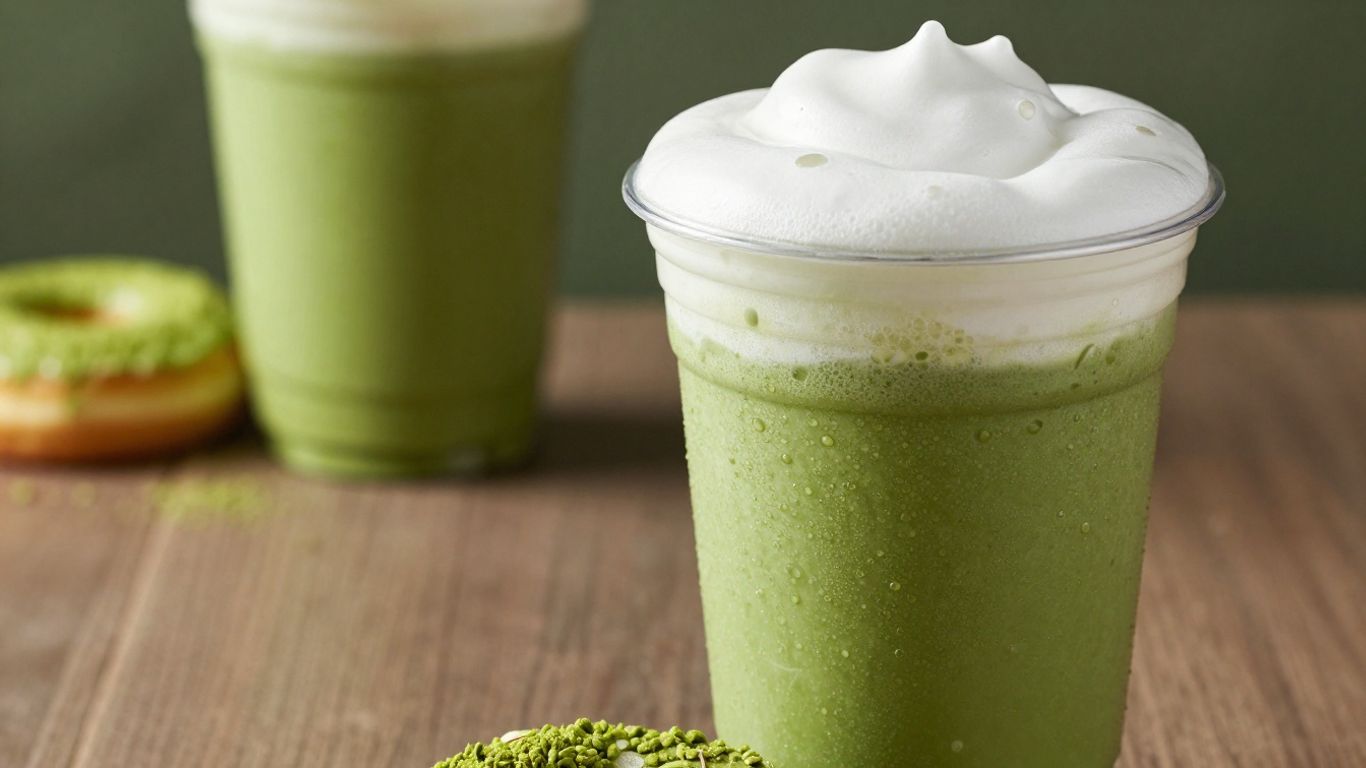
Dunkin' has really gotten into the matcha scene, offering a few ways for people to get their green tea fix. It's pretty neat how they've made it accessible, even if it's not quite the same as the pure, ceremonial grade matcha you might find from dedicated importers like us here in Australia, sourcing directly from Uji and Yame. But for a quick, convenient option, Dunkin' has you covered.
Popular Matcha Drink Selections
Dunkin' keeps its matcha menu fairly straightforward, focusing on the most popular ways people enjoy this vibrant drink. You'll typically find these core options:
- Iced Matcha Latte: This is probably their most popular. It's a refreshing blend of matcha, milk (they offer dairy and non-dairy alternatives), ice, and a touch of sweetener. It’s a go-to for many, especially when the weather heats up.
- Hot Matcha Latte: For those who prefer a warm beverage, the hot version offers a comforting way to enjoy matcha. It’s made with steamed milk and the matcha blend, perfect for a cooler day.
- Frozen Matcha: While less common year-round, Dunkin' sometimes offers a frozen version, which is essentially a blended, icy treat. It’s a different take, more like a matcha smoothie.
The brand uses a matcha blend that includes cane sugar and fruit pectin, which contributes to its approachable flavour profile.
Customization for Every Palate
One of Dunkin's strengths is its customisation. You can tweak your matcha drink to suit your taste. This is where you can really make it your own:
- Milk Choice: Opt for their regular milk, or choose from alternatives like almond or oat milk. This can subtly change the texture and flavour.
- Sweetness Level: You can often adjust the amount of sweetener added. If you find it a bit too sweet, ask for less. This is key for balancing the matcha flavour.
- Add-ins: While not strictly matcha customisation, you can add syrups like vanilla, caramel, or even raspberry for a different twist. Just be mindful that these additions will alter the pure matcha experience.
Dunkin's approach is all about making matcha easy to enjoy. They've found a balance that appeals to a wide range of customers, including those who might be trying matcha for the first time. It’s a friendly introduction to the world of green tea powder.
Making Matcha Accessible
One of Dunkin's biggest draws is its accessibility and price point. You can grab a matcha latte without spending a fortune, and they're available in thousands of locations. This makes matcha more of an everyday option for many. However, if you're after the complex, vibrant notes of high-grade matcha, like the ceremonial grades we source from Uji and Yame, you might find Dunkin's offering a bit too simplified. It's a trade-off between convenience and the depth of traditional matcha flavour.
While Dunkin's approach makes matcha approachable, it's important to remember that it's a different experience from drinking pure, high-quality matcha. The added ingredients change the overall profile significantly.
For those looking for a quick, sweet matcha fix, Dunkin' certainly delivers. But for a true taste of what matcha can be, exploring dedicated tea importers or cafes that focus on authentic Japanese matcha is the way to go. Keep an eye out for Dunkin's seasonal specials too; they often introduce limited-time syrups or flavour combinations that can be added to their matcha drinks. These can range from fruity concoctions to richer, dessert-like flavours. While these are fun, they do move away from the traditional matcha taste, so it's worth considering if you're looking for a pure matcha experience or something more adventurous. For those interested in the pure stuff, checking out authentic Japanese matcha is the way to go.
Potential Matcha Suppliers for Dunkin'
When you're enjoying a matcha latte from Dunkin', you might wonder about the specific company behind that green goodness. While Dunkin' doesn't publicly name its exact matcha powder supplier, they consistently state that their matcha is sourced from the Nishio region in Japan. This area is renowned for its long history and dedication to producing high-quality matcha. For those of us who import authentic Japanese matcha from regions like Uji and Yame, we understand the importance of a reputable origin.
The Aiya Matcha Connection
One of the most frequently discussed potential suppliers for large chains like Dunkin' is Aiya Matcha. Aiya is a well-established company with a significant presence in the matcha industry, and they have a long history of supplying matcha for various food and beverage applications. They are known for their extensive cultivation and processing facilities in Japan, particularly in the Nishio region.
Aiya's History and Production
Aiya has been involved with matcha for over 130 years, making them a veteran in the field. They control much of their supply chain, from growing the tea leaves to processing them into matcha powder. This vertical integration allows for consistent quality control. They offer different grades of matcha, suitable for everything from traditional tea ceremonies to commercial use in lattes and baked goods. It's this kind of established production capability that makes them a likely candidate for supplying large food service companies.
Wholesale and Business Supply
Companies like Aiya are set up to handle large-scale orders, which is exactly what a chain like Dunkin' would require. They have the infrastructure to produce and distribute significant quantities of matcha powder while maintaining a specific flavour profile. This is key for ensuring that a drink tastes the same whether you get it in Sydney or Tokyo. While we focus on bringing the pure, unadulterated taste of Uji and Yame matcha to Australian tea lovers and businesses, we recognise the role that larger suppliers play in making matcha accessible to a wider audience. Their ability to blend ingredients for approachability, like adding sweeteners and pectin, is a common practice in the commercial beverage sector.
The journey of matcha from a traditional Japanese beverage to a global trend involves many players. For large chains, finding a supplier that balances quality, consistency, and cost is paramount. This often means working with established companies that can meet high-volume demands and cater to a broad consumer palate.
- Consistency: Ensuring every batch meets specific taste and colour standards.
- Scalability: The capacity to produce enough matcha for thousands of locations.
- Approachability: Often involves pre-blending with ingredients like sugar for wider appeal.
While Dunkin's specific supplier remains unconfirmed, the focus on Nishio, Japan, points towards established producers with a strong track record in the matcha market. For those seeking the purest forms of matcha, exploring dedicated importers who focus on single-origin, high-grade matcha from regions like Uji and Yame is a rewarding path. Discover authentic Japanese matcha that offers a different experience.
Looking for the best matcha for Dunkin'? We've got you covered. Finding the right supplier is key to getting that perfect flavor and quality. We can help you discover top-notch matcha options. Visit our website to learn more about finding great matcha!
Wrapping Up Our Matcha Journey
So, we've taken a good look at where Dunkin' gets its matcha, and it turns out it's a pretty deliberate choice. They're sourcing a sweetened matcha blend from Nishio, Japan, a region known for its quality tea. It's not quite the same as the pure, traditional matcha some of us might seek out, but it's definitely what gives their lattes that familiar taste many people enjoy. It's always interesting to see how different companies put their own spin on things, right? Hopefully, this helps you understand your Dunkin' matcha a little better, or maybe it even sparks your curiosity to explore other matcha options out there. Cheers to discovering more great matcha!
Frequently Asked Questions
Where does Dunkin' get its matcha powder from?
Dunkin' gets its matcha powder from Nishio, Japan. This area is well-known for growing high-quality tea leaves that are perfect for making matcha. It's a place with a long history of making this special green tea.
What's in Dunkin's matcha blend?
Dunkin's matcha powder isn't just pure matcha. They mix it with cane sugar to make it sweeter and fruit pectin, which helps make the drink smoother. This blend is designed to taste good to a lot of people.
Is Dunkin's matcha the same as traditional matcha?
Not exactly. Traditional matcha is usually just pure, finely ground green tea leaves. Dunkin's matcha blend has added sugar and pectin, making it sweeter and smoother. This makes it different from the more intense, pure matcha flavor you might get elsewhere.
What matcha drinks does Dunkin' offer?
Dunkin' mainly offers Iced Matcha Lattes and Hot Matcha Lattes. You can also often customize them by choosing different kinds of milk or adjusting the sweetness to your liking.
Why does Dunkin' add sugar and pectin to their matcha?
They add sugar to make the matcha taste sweeter and more appealing to a wider range of customers, especially those who might find pure matcha a bit too bitter. The fruit pectin helps create a smoother, more pleasant texture in the drink.
Can I make my Dunkin' matcha less sweet?
Yes, you can often ask for less sweetener when you order your matcha latte at Dunkin'. This allows you to control the sweetness level and get closer to a less sugary taste if you prefer.

