

Lots of people love a good cup of matcha, right? It's got that nice energy boost and a unique flavor. But sometimes, after you drink it, your mouth feels all dry and weird. It makes you wonder, does matcha cause dehydration? We're going to break down the caffeine and hydration connection, look at what else might be going on in your cup, and figure out how to enjoy your matcha without that parched feeling.
Key Takeaways
- The dry feeling after drinking matcha is mostly due to tannins, which interact with saliva, and to a lesser extent, caffeine's mild diuretic effect.
- Brewing your matcha too hot or steeping it for too long can pull out more tannins, making that dry sensation worse.
- While caffeine has a mild diuretic effect, the water in matcha usually compensates, so it's unlikely to cause actual dehydration for most people.
- Drinking plain water alongside your matcha, or choosing lower-tannin teas, can help reduce that dry mouth feeling.
- If you have persistent dry mouth that isn't related to drinking tea, it's a good idea to talk to a doctor, as it could signal something else.
Understanding Matcha's Caffeine Content
Caffeine: A Natural Stimulant in Tea
Matcha, like all true teas derived from the Camellia sinensis plant, naturally contains caffeine. This compound is what gives us that gentle lift and focus, making it a popular choice for many, especially here in Australia where a good cuppa is practically a national pastime. As a local importer of authentic Japanese matcha from Uji and Yame, we know firsthand the nuanced qualities of this vibrant green powder. The caffeine content in matcha can vary, but it's generally comparable to or slightly higher than a standard cup of black tea, and often less than a typical espresso. It's this natural stimulant that contributes to matcha's energising properties.
The Mild Diuretic Effect of Caffeine
Caffeine is known to have a mild diuretic effect. This means it can encourage your body to release a bit more fluid through increased urination. For most people who regularly consume caffeinated beverages, this effect is quite minor and easily offset by the fluid intake from the drink itself. Think of it as a gentle nudge rather than a forceful push. The water content in your matcha is substantial, and for the vast majority of us, this more than compensates for any slight fluid loss from the caffeine.
Does Matcha Cause Dehydration Due to Caffeine?
So, does this mild diuretic effect mean your beloved matcha is secretly dehydrating you? The short answer is generally no. While caffeine does have that diuretic property, the amount of water you consume when drinking matcha is significant. For the average person, moderate matcha consumption contributes positively to your daily fluid intake. The sensation of dryness some people experience after drinking tea is more often linked to other compounds, like tannins, rather than actual body dehydration caused by caffeine. It's a common misconception, but the liquid in your cup is doing more hydrating work than the caffeine is dehydrating work.
The Role of Tannins in Tea's Dry Sensation
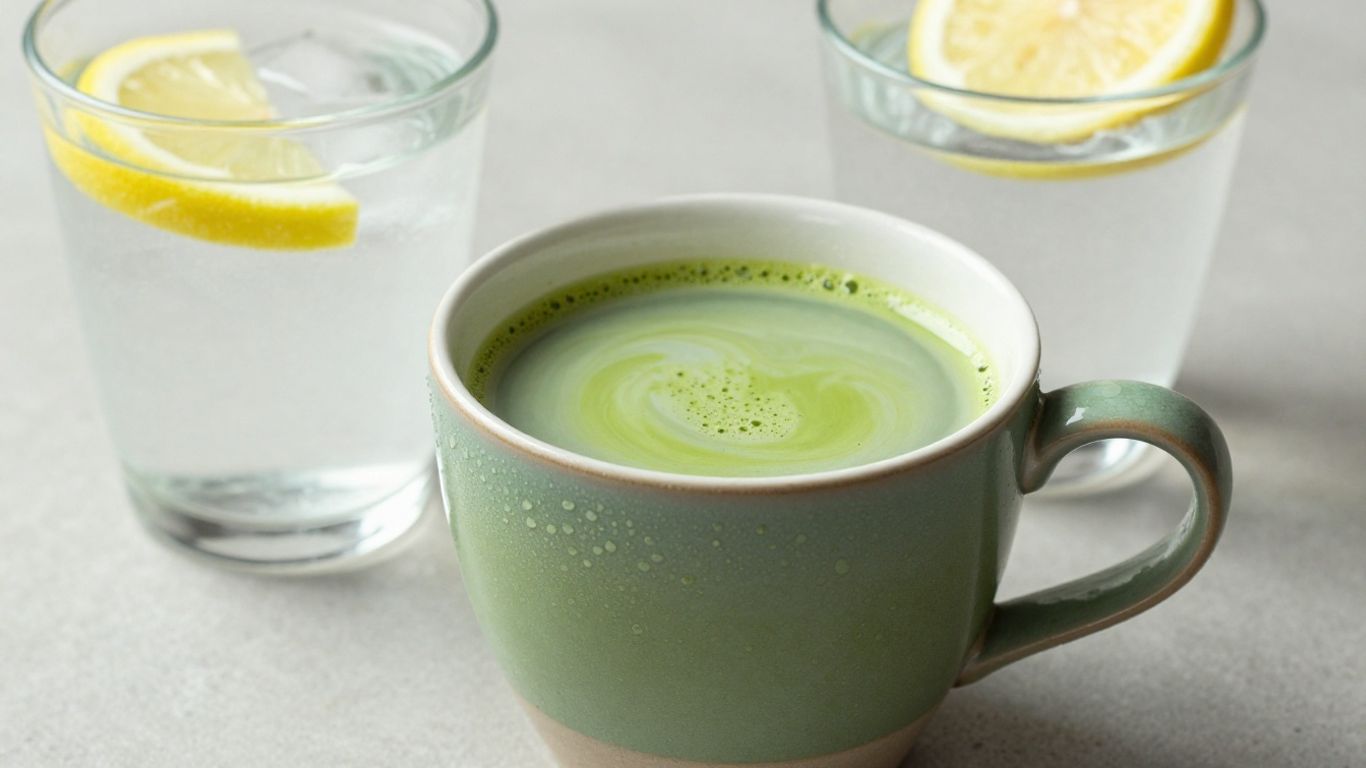
Ever notice that slightly dry, almost puckering feeling after a good cup of tea? It's a common experience, and it's not just your imagination. For us here at [Your Australian Matcha Importer Name], sourcing authentic matcha from Uji and Yame, we understand that a smooth, satisfying sip is key. That dry sensation is largely thanks to compounds called tannins.
Tannins: The Astringent Architects of Dryness
Tannins are natural compounds found in many plants, including the tea leaves we love. Think of them as nature's way of protecting the plant, but when they meet our mouths, they create a distinct sensation. Tannins interact with the proteins in your saliva, temporarily changing its texture and making it feel less slippery. This is what causes that characteristic dry, sometimes even slightly bitter or astringent, feeling. It's not that your body is losing water, but rather that the saliva in your mouth isn't coating your tongue and cheeks as effectively for a short while.
How Tannins Interact with Saliva
When you take a sip of tea rich in tannins, these compounds bind to the proteins present in your saliva. Saliva is naturally lubricating, helping to keep your mouth moist and comfortable. However, when tannins latch onto these proteins, they cause them to clump together. This process reduces the lubricating quality of your saliva, leading to that dry, tight feeling on your tongue and the roof of your mouth. It's a physical reaction, not a sign of dehydration.
Comparing Tannin Levels in Different Teas
Not all teas are created equal when it comes to tannins. The amount can vary quite a bit depending on the type of tea, how it's processed, and even its age. This is why some teas might leave your mouth feeling drier than others.
Here's a general idea of where different teas stand:
| Tea Type | Typical Tannin Level | Common Dry Mouth Sensation | Notes |
|---|---|---|---|
| Black Tea | High | Frequent | Often has higher tannins due to full oxidation. |
| Green Tea | Moderate to High | Sometimes | Varies greatly by type; some Japanese greens can be quite mild. |
| Oolong Tea | Varies (Low to High) | Occasional | Depends on oxidation; less oxidized types are generally milder. |
| White Tea | Low to Moderate | Less Common | Minimally processed, usually resulting in lower tannin levels. |
| Matcha (Ceremonial) | Moderate | Mild to Occasional | Our Uji and Yame matcha are carefully selected for a balanced profile. |
| Herbal Teas | Very Low / None | Rare | Generally don't contain tannins, so dryness is uncommon. |
Understanding these differences can help you choose teas that align with your preference for a smoother drinking experience. While tannins are a natural part of many teas, their presence doesn't have to detract from your enjoyment.
Distinguishing Dry Mouth from Dehydration
Ever take a sip of your favourite matcha and feel that familiar, slightly parched sensation on your tongue? It's a common experience, and many people wonder if that dry feeling means their body is actually losing fluids. Let's clear this up: the dry mouth you get from tea is usually not a sign of dehydration.
The "Parched" Sensation Explained
That feeling of dryness, often described as 'puckering' or 'astringency', is primarily caused by compounds called tannins. These naturally occurring substances are found in many plants, including the tea leaves we use to make our beloved brews. When you drink tea, especially those with higher tannin levels like some of our more robust Japanese matcha from Uji, these tannins interact with the proteins in your saliva. This interaction temporarily reduces the lubricating effect of your saliva, leading to that dry sensation on your tongue and in your mouth. It's a chemical reaction, not a sign that your body is running low on water.
Tea's High Water Content
Now, let's talk about the liquid itself. Tea, including matcha, is overwhelmingly water – we're talking about 99% water, in fact. Even with the mild diuretic effect that caffeine can have, the sheer volume of water you consume when drinking tea typically more than compensates for any minor fluid loss. So, while you might feel dry, your body is actually getting hydrated. It's a bit of a paradox, isn't it?
Is the Dry Feeling a Sign of Body Dehydration?
So, to directly answer the question: no, that temporary dry mouth from your matcha doesn't mean you're dehydrated. Think of it like this:
- Astringency: This is the dry, puckering feeling caused by tannins binding with saliva proteins. It's a surface-level sensation.
- Hydration: This is about your body's overall fluid balance. The water in your tea contributes positively to this.
It's important to differentiate between the temporary mouthfeel and your body's actual hydration status. For most of us, enjoying a cup of pure matcha contributes to our daily fluid intake. If you're concerned about dryness, simple strategies like sipping water alongside your tea can make a big difference. We find that pairing our authentic matcha with a glass of cool water is a perfect way to enjoy its complex flavours without any lingering dryness. Remember, if you experience persistent dry mouth that isn't related to drinking tea, it's always a good idea to chat with a healthcare professional.
Brewing Practices and Their Impact
How you prepare your matcha can make a surprising difference in how it feels in your mouth. It’s not just about the tea itself; the way we brew it plays a big role in whether you get that dry, puckery sensation. Think of it like cooking – the same ingredients can turn out very differently depending on the method.
Brewing Temperature and Time: Key Factors
Water temperature and how long the matcha powder steeps (or rather, is whisked and allowed to settle) are the main culprits when it comes to extracting those compounds that can lead to a dry feeling. Hotter water and longer contact times tend to pull out more tannins. For us here in Australia, especially when we're enjoying our authentic Japanese matcha from Uji and Yame, getting this right means a smoother, more enjoyable experience. We've found that using water that's just off the boil, around 70-80°C (158-176°F), is usually the sweet spot. Anything hotter can really bring out the astringency.
Adjusting Your Brew for a Smoother Cup
So, how do you tweak your brewing to avoid that dryness? It’s all about being mindful of the process. Here are a few things to try:
- Water Temperature: Don't use boiling water. Let it cool for a minute or two after it boils. This is especially important for delicate matcha.
- Whisking Time: While matcha isn't steeped like loose-leaf tea, the time it sits in the water before you drink it matters. Try to drink it relatively soon after whisking.
- Amount of Matcha: Using too much matcha powder for the amount of water can also concentrate the compounds that cause dryness.
- Water Quality: Sometimes, the minerals in your tap water can affect the taste and feel. If you're noticing persistent dryness, try using filtered water.
How Brewing Affects Tannin Extraction
When you brew matcha, you're essentially suspending the finely ground tea leaves in water. The hotter the water and the longer it sits, the more tannins are released into the liquid. Tannins are natural compounds found in tea that give it that slightly bitter, astringent quality. While they contribute to the complex flavour profile of good quality matcha, too many can bind to the proteins in your saliva, making your mouth feel dry. It’s a bit like how strong black tea can feel drying. For those of us who appreciate the nuanced flavours of premium matcha, finding that balance is key. It’s why we focus on importing only the finest Japanese matcha – the quality of the leaf itself already helps, but proper brewing makes all the difference.
The goal is to extract the vibrant flavour and beneficial compounds of matcha without overdoing the tannins. This means paying attention to the details of your preparation, much like you would when crafting a perfect espresso or a delicate pour-over coffee.
Hydration Strategies for Tea Enthusiasts
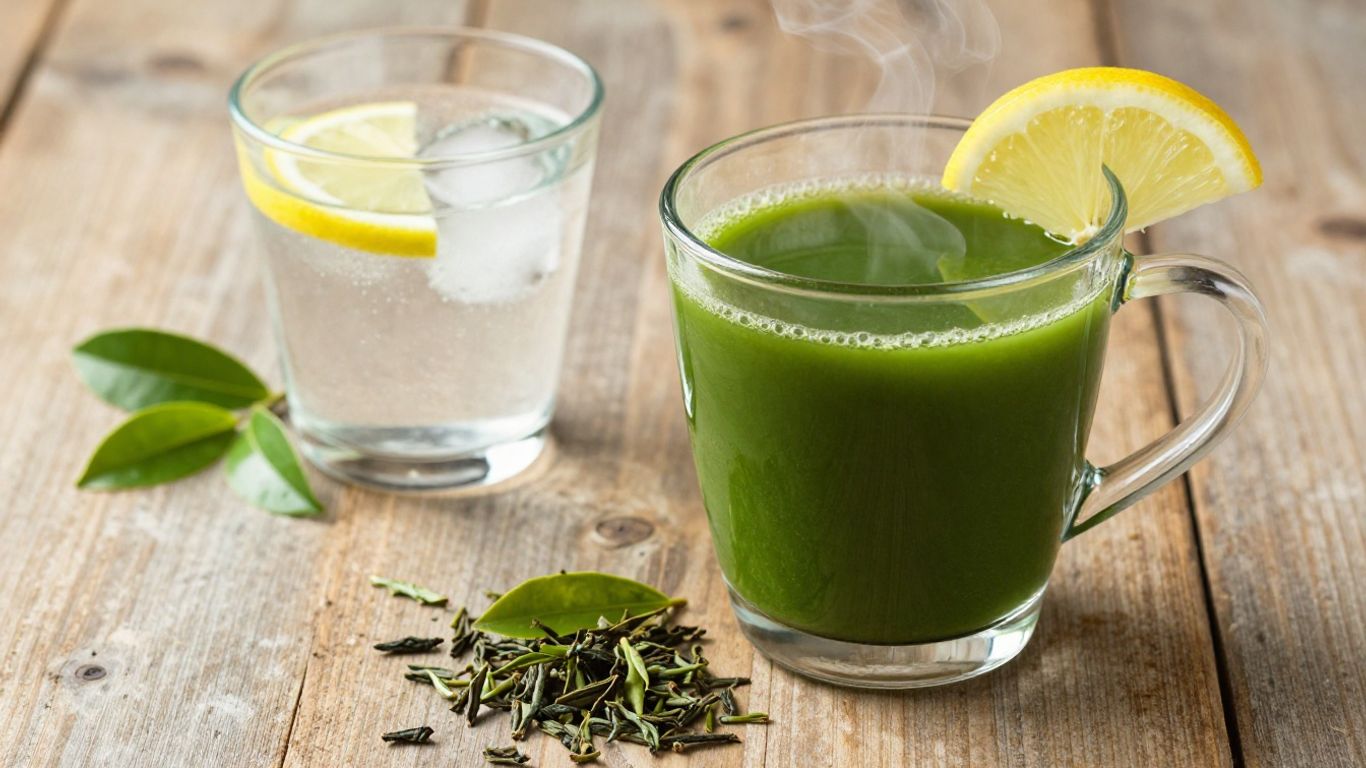
Even with the mild diuretic effect of caffeine in matcha, it's important to remember that tea is primarily water. For us here in Australia, enjoying a cup of authentic Japanese matcha, especially from renowned regions like Uji and Yame, is a daily ritual for many. While the dry sensation can sometimes be noticeable, it doesn't mean you're actually dehydrated. The key is to balance your enjoyment with smart hydration practices.
Drinking Water Alongside Your Matcha
This is perhaps the simplest and most effective strategy. Think of it as a complementary pairing for your tea. Having a glass of water before, during, or after your matcha helps to keep your mouth moist and can wash away some of the compounds that might cause that puckering feeling. It's a good habit to get into, especially if you're enjoying multiple cups throughout the day. It ensures that you're getting the full hydration benefits of the tea itself, which is mostly water.
Pairing Matcha with Hydrating Foods
What you eat with your matcha can make a surprising difference. Opting for foods with high water content can help counteract any drying effects from the tea. Think of fresh fruits like watermelon or cucumber, or even a simple bowl of yoghurt. These foods not only complement the flavour profile of matcha but also contribute to your overall fluid intake, making your tea experience more comfortable and refreshing.
Considering Milk or Lemon for Balance
For those who enjoy their matcha with a little something extra, consider how additions might affect the mouthfeel. Adding a splash of milk, particularly for matcha lattes, can help. The proteins in milk can bind with tannins, which are often responsible for that dry, astringent sensation. A small amount of lemon can sometimes stimulate saliva, but be mindful of its acidity, as it might not suit everyone's palate or every type of matcha. Experimenting with these additions can help you find your perfect, smooth cup. Remember, the goal is to enjoy the vibrant flavour and benefits of matcha without any unwanted dryness. If you're looking for the finest authentic Japanese matcha, we've got you covered.
Individual Sensitivity and External Factors
Personal Sensitivity to Tea Components
Look, we all react a bit differently to things, right? It's the same with matcha. Some folks might sip our beautiful Uji or Yame matcha and feel absolutely nothing out of the ordinary, while others might notice a bit of a dry sensation. This isn't about the matcha itself being 'bad'; it's just how our bodies are wired. Things like how sensitive you are to caffeine or those natural compounds called tannins can really change your experience. It’s like some people can handle spicy food and others can't – totally normal.
Environmental Influences on Dryness
Where you're enjoying your matcha can also play a part. If you're in a really dry environment, maybe during a hot Australian summer with the air conditioning blasting, your mouth might feel drier overall. This isn't necessarily the matcha causing it, but rather the surrounding air pulling moisture away. Think about it: if you're already a bit parched from the heat, anything that has a mild drying effect, like tea, might seem more noticeable.
When Dry Mouth May Signal More
Most of the time, that slightly dry feeling after a cup of matcha is just a temporary thing, easily fixed with a sip of water. But, if you find yourself constantly dealing with a dry mouth, even when you're not drinking tea, it might be worth chatting with a health professional. Sometimes, persistent dry mouth can be a sign of something else going on, and it's always good to get that checked out. We want you to enjoy your matcha safely and comfortably, so listen to your body!
How you feel can change based on what's around you. Things like the weather or even how much sleep you got can affect your mood and energy levels. It's important to understand these outside influences. Want to learn more about how different factors can impact your well-being? Visit our website for insights and tips!
Wrapping Up Our Matcha Chat
So, after looking into it, it seems like matcha isn't really out to get you dehydrated. While it does have caffeine, which can make you pee a little more, the amount of water in the tea itself usually balances things out. Plus, that dry feeling in your mouth? It's mostly just tannins doing their thing, making your saliva feel a bit less slick, not because you're actually losing body water. If you're sensitive or drinking a ton, maybe sip some extra water alongside your matcha, but for most of us, enjoying a cup is perfectly fine for staying hydrated. We hope this clears things up and helps you enjoy your matcha even more!
Frequently Asked Questions
Does matcha actually make you dehydrated?
Not really! While matcha has caffeine, which can make you pee a little more, the drink itself is mostly water. So, the water you drink usually cancels out any small fluid loss. The dry feeling in your mouth is more about tannins than your body actually needing more water.
What causes that dry, puckery feeling after drinking matcha?
The main culprit is something called tannins. These are natural compounds in tea leaves that can bind with the proteins in your saliva. This makes your saliva less slippery, leading to that dry, sometimes tight feeling in your mouth. It's a temporary sensation, not a sign of dehydration.
Is the dry feeling the same as being dehydrated?
No, they're different. A dry mouth from tea is usually caused by tannins interacting with your saliva, creating a feeling of dryness. True dehydration means your body is actually losing too much fluid, and tea, being mostly water, usually helps with hydration rather than hurting it.
How can I enjoy matcha without getting that dry mouth feeling?
You can try brewing your matcha for a shorter time or using slightly cooler water, as this can reduce the amount of tannins released. Drinking a glass of water alongside your matcha also helps keep your mouth moist. Some people find adding a splash of milk or a bit of lemon can help too, depending on the tea.
Does caffeine in matcha contribute to dehydration?
Caffeine is a mild diuretic, meaning it can make you produce a bit more urine. However, for most people who drink matcha in normal amounts, the fluid from the tea itself is enough to balance this out. It's unlikely to cause dehydration on its own, but it can add to the dry feeling, especially if you're sensitive to caffeine.
Are there teas that cause less dryness than matcha?
Yes! Teas like white tea or some aged pu-erh teas often have lower levels of tannins, which means they tend to cause less of that dry, puckery feeling. Even some herbal teas might be milder, though it depends on the specific herbs used.

