

So, you've been hearing a lot about matcha green tea lately. It's everywhere, right? People are drinking it for energy, for its supposed health benefits, and just because it tastes pretty good. But if you're on any kind of medication, you might be wondering, does matcha green tea interact with medications? It's a fair question. Like many things we consume, matcha has compounds that could potentially mix with the drugs you're taking. We're going to break down what you need to know so you can enjoy your matcha without any unwanted surprises.
Key Takeaways
- Matcha green tea contains compounds like caffeine and Vitamin K that can interact with certain medications.
- People taking blood thinners should be aware that Vitamin K in matcha can affect how well these drugs work.
- Matcha might affect the absorption of some heart medications, like statins and ACE inhibitors.
- It's important to talk to your doctor if you're on lithium, certain antidepressants (MAOIs), or stimulants, as matcha could cause issues.
- Always consult your healthcare provider before combining matcha with any prescription drugs or even herbal supplements to avoid potential health risks.
Understanding Matcha's Potential Medication Interactions
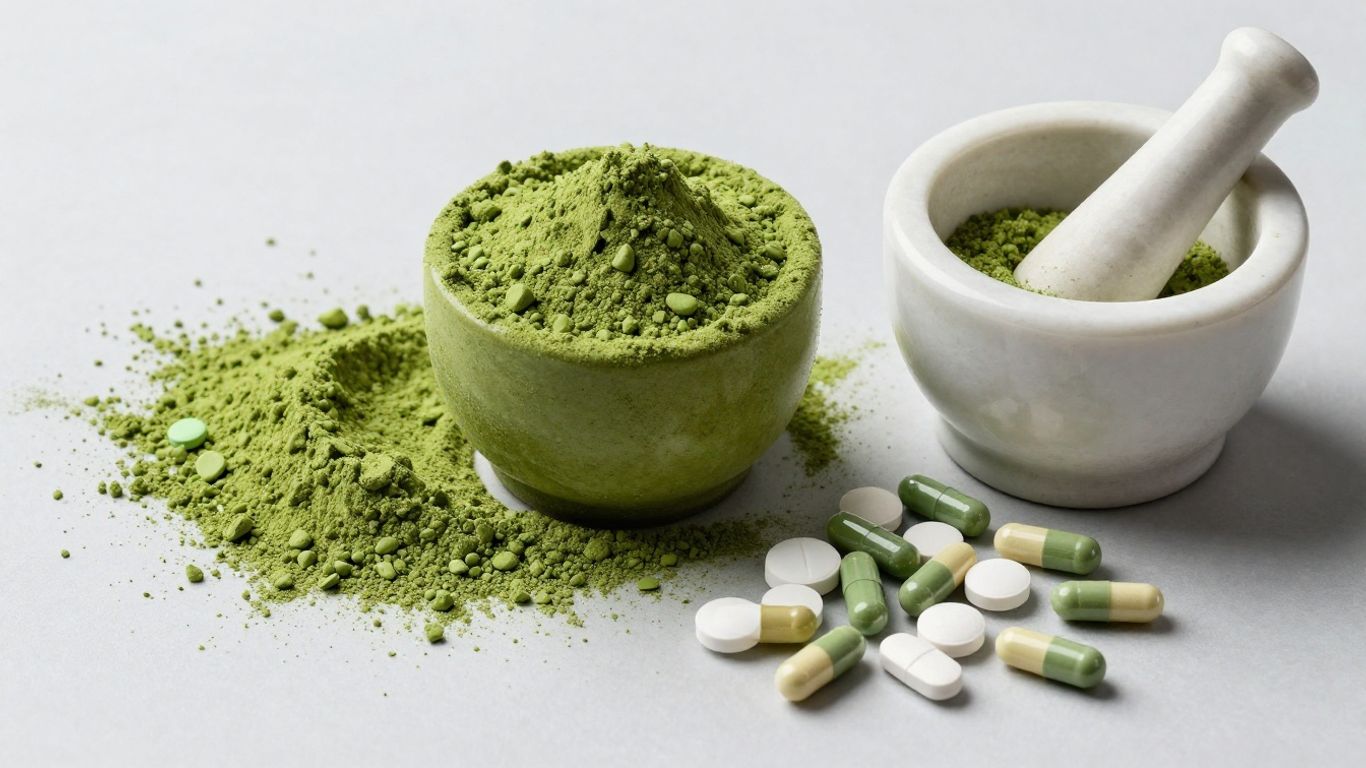
As a local Australian importer of authentic Japanese matcha from Uji and Yame, we often get asked about how our vibrant green tea powder might interact with common medications. It's a really important question, and one we take seriously. While matcha is celebrated for its health benefits, it's wise to be aware of potential interactions, especially if you're on prescription drugs. Think of it like adding a new ingredient to a complex recipe – you want to make sure it complements, rather than clashes.
Does Matcha Green Tea Interact With Medications?
Yes, matcha green tea can interact with certain medications. This is primarily due to its active compounds, including caffeine and various antioxidants like catechins. These components can influence how your body absorbs, metabolizes, or responds to specific drugs. It’s not about avoiding matcha altogether, but rather about being informed and making conscious choices in consultation with your healthcare provider.
Key Compounds in Matcha to Consider
Matcha is packed with beneficial compounds, but a few are particularly relevant when discussing medication interactions:
- Caffeine: A natural stimulant found in matcha, which can affect heart rate, blood pressure, and interact with stimulant medications or those that affect the central nervous system.
- Vitamin K: While present in smaller amounts than in some other leafy greens, it can play a role in blood clotting and may interact with anticoagulant medications.
- Antioxidants (e.g., EGCG): These powerful compounds can affect drug absorption and metabolism. For instance, they might reduce the effectiveness of certain medications or, in some cases, increase their effects.
Collaborating With Your Healthcare Provider
This is the most critical step. Before you significantly increase your matcha intake or if you're starting a new medication, have a chat with your doctor or pharmacist. They can provide personalised advice based on your health status and the specific drugs you're taking. We always recommend discussing your matcha consumption with them, especially if you have any underlying health conditions or are taking multiple medications. They are your best resource for ensuring your wellness routine aligns safely with your medical treatment.
It's important to remember that the concentration of active compounds can vary between different matcha products. While our pure, ceremonial-grade matcha is carefully sourced, individual responses to any food or supplement can differ.
Interactions With Cardiovascular Medications
When you're enjoying your daily ritual with our authentic Japanese matcha, especially if you're on medication for your heart or blood pressure, it's wise to be aware of potential interactions. We've seen a lot of interest from our Australian customers about this, and it's a conversation worth having with your doctor.
Blood Thinners and Vitamin K
Matcha, like other green teas, contains Vitamin K. This vitamin plays a role in blood clotting. If you're taking anticoagulant medications, often called blood thinners, such as warfarin, the amount of Vitamin K you consume can affect how well your medication works. Consistency is key here; a sudden change in your Vitamin K intake could alter your medication's effectiveness. While moderate matcha consumption is usually fine, it's best to discuss your intake with your healthcare provider to ensure your medication remains effective.
Statins and Absorption Concerns
Some research suggests that green tea, including matcha, might affect how your body absorbs certain statins. Statins are commonly prescribed to manage cholesterol levels. While studies are ongoing and more research is needed, it's a good idea to check with your doctor if you're taking statins and enjoy matcha regularly. They can advise if any adjustments are needed.
Aspirin and Bleeding Risk
Both aspirin and certain compounds found in matcha can influence blood clotting. When taken together, there's a theoretical increased risk of bleeding. This is more of a concern if you're consuming very large amounts of matcha or concentrated green tea extracts. If you're on aspirin or have any concerns about bleeding, a chat with your doctor is a sensible step before making matcha a daily habit.
Impact on Mental Health Medications
When you're enjoying your daily ritual with our authentic Japanese matcha from Uji and Yame, it's wise to consider how it might interact with any medications you're taking, especially those for mental health. While matcha is a wonderful source of antioxidants and offers a gentle energy boost, its components, like caffeine and other compounds, can sometimes affect how certain drugs work. We always recommend chatting with your healthcare provider about your matcha consumption, particularly if you're on prescription medication.
Lithium Levels and Matcha Consumption
If you're prescribed lithium for conditions like bipolar disorder, it's important to be aware that green tea, including matcha, can potentially lower the blood levels of this medication. This means your doctor might need to adjust your dosage. Stopping your matcha intake suddenly while on lithium could also lead to a concerning spike in your lithium levels. Consistency is key here, so maintaining a steady, moderate intake and discussing any changes with your doctor is the best approach.
Benzodiazepines and Stimulant Effects
Matcha contains caffeine, which is a stimulant. For individuals taking benzodiazepines, often prescribed for anxiety, the stimulant effect of matcha might counteract the intended sedative effects of the medication. This could make the medication less effective in helping you relax or sleep. If you find your benzodiazepines aren't working as well when you're also enjoying matcha, it's definitely something to bring up with your doctor.
MAOIs and Blood Pressure Spikes
Monoamine oxidase inhibitors (MAOIs) are a class of antidepressants. Combining matcha, or any significant source of caffeine, with MAOIs can potentially lead to a dangerous increase in blood pressure, sometimes referred to as a hypertensive crisis. This is a serious interaction, and it's vital to consult your doctor before consuming matcha if you are on MAOI medication. They can advise on whether it's safe for you or if you need to avoid it altogether.
Considerations for Other Prescription Drugs
Beyond the common ones we've discussed, there are a few other types of medications where you might want to be mindful of your matcha intake. As a local Australian importer of authentic Japanese matcha from Uji and Yame, we're passionate about sharing the benefits of this incredible tea, but we also believe in responsible enjoyment. That means understanding how it might interact with things you're already taking.
Weight Loss Drugs and Stimulant Combinations
Some older weight loss medications, like those that contained ephedra (though largely banned now), were known stimulants. Matcha, while natural, does contain caffeine, which is also a stimulant. Combining strong stimulants can potentially lead to increased heart rate or blood pressure. If you're on any prescription weight loss medication, especially one with stimulant properties, it's wise to chat with your doctor about your matcha consumption. It's not about avoiding matcha, but about making sure you're not doubling up on stimulant effects unnecessarily.
Antibiotics and Caffeine's Role
Certain antibiotics, particularly a group called quinolones, can interact with caffeine. The caffeine in matcha might make these antibiotics more potent, which could increase the risk of side effects. Think of it like this: your body processes the antibiotic and the caffeine at the same time, and sometimes that can change how either one works. It's a good idea to check with your healthcare provider if you're prescribed antibiotics and enjoy drinking matcha. They can advise if you should adjust your intake during your course of treatment.
Beta-Blockers, ACE Inhibitors, and Absorption
For those managing high blood pressure or heart conditions with medications like beta-blockers or ACE inhibitors, there are a couple of points to consider. Caffeine can sometimes affect blood pressure, and while matcha's effect is generally milder than coffee, it's still something to be aware of, especially if your medication is specifically for blood pressure regulation. Additionally, some research suggests that green tea extracts might affect how well certain ACE inhibitors are absorbed. This doesn't necessarily mean you have to stop drinking matcha, but it's a good reason to have an open conversation with your doctor. They can help you understand if your specific medication might be impacted and what, if anything, you should do.
It's always best to approach any new supplement or dietary change, even a natural one like matcha, with a bit of caution when you're on prescription medication. Your doctor or pharmacist is your best resource for personalised advice.
Nutrient Absorption and Matcha
When you're enjoying your daily cup of authentic Japanese matcha, especially if you're taking supplements or medications, it's good to know how it might affect nutrient absorption. We've found that understanding these interactions helps our customers make informed choices about their wellness routines. It's a bit like how different brewing temperatures can change the flavour profile of our Uji matcha, timing and other factors can influence how your body takes in certain things.
Iron Supplements and Green Tea
If you're taking iron supplements, you might want to be mindful of when you drink your matcha. The compounds in green tea, including those in our carefully sourced matcha from Yame, can bind to non-heme iron. This is the type of iron found in plant-based foods and supplements. This binding can make it harder for your body to absorb the iron. It's not that you can't have both, but spacing them out can be beneficial. For instance, try taking your iron supplement a couple of hours before or after your matcha. This simple adjustment can help maximise the benefits of your iron intake.
Folic Acid Levels and Caffeine
Matcha contains caffeine, and while it's generally less than coffee, it's still present. For most people, this isn't an issue. However, if you're concerned about your folic acid levels, particularly if you are pregnant or planning to become pregnant, it's worth a chat with your healthcare provider. Caffeine can sometimes reduce the absorption of folic acid. Again, timing is key here. If you're taking a folic acid supplement, consider consuming it at a different time of day than your matcha. This is a common consideration for many beverages, not just tea, and it's a good example of how certain beverages can affect medication and nutrient uptake.
It's always a good idea to discuss your supplement and medication routine with your doctor or a pharmacist. They can provide personalised advice based on your specific health needs and the products you're using. This is especially true when you're incorporating new wellness practices or products into your life.
Herbal Supplements and Matcha
Interactions With Bitter Orange Extract
When you're enjoying your daily cup of matcha, especially if you're a fan of our authentic Japanese matcha from Uji and Yame, it's wise to consider what else you might be consuming. This is particularly true when it comes to herbal supplements. Some of these natural additions can have their own effects, and when combined with the compounds in matcha, things can get a bit complicated. For instance, there's some talk about bitter orange extract. Combining this with the caffeine naturally present in matcha might lead to an increase in both blood pressure and heart rate. It's not a huge interaction for most, but it's something to be aware of, especially if you're sensitive to stimulants or have existing heart conditions.
Consulting on Natural Supplements
It's not just bitter orange extract, either. The world of herbal supplements is vast, and many people in Australia are turning to them for various wellness reasons. While we love the natural goodness of matcha, we also believe in a balanced approach to health. This means being informed about potential interactions with anything else you're taking. Think of it like this: just as you'd check if your new medication plays nicely with your morning coffee, it's smart to do the same with your matcha and any other supplements.
Here are a few points to keep in mind:
- Know Your Supplements: Be aware of the active ingredients in any herbal supplement you're using. Some might contain stimulants or affect blood pressure, similar to caffeine.
- Consistency is Key: If you're on a medication that interacts with Vitamin K, for example, keeping your intake consistent, whether from matcha or other sources, is more important than avoiding it altogether. This applies to supplements too.
- Listen to Your Body: Pay attention to how you feel after consuming matcha alongside other supplements. Any unusual symptoms should be a prompt to re-evaluate.
The natural world offers so many wonderful things, and matcha is certainly one of them. However, when we start mixing different natural ingredients, especially alongside prescription medications, it's always best to err on the side of caution. Think of it as a collaborative effort between you, your body, and your healthcare provider to ensure everything works together harmoniously.
We always recommend a chat with your doctor or a qualified health professional before mixing matcha with new herbal supplements, especially if you have any underlying health concerns or are taking prescription medications. They can provide personalised advice based on your specific health profile. It’s all about making informed choices to enjoy the benefits of matcha safely.
Matcha, a special green tea powder, is known for its health benefits, much like many herbal supplements. It's packed with good stuff that can help your body feel its best. Want to learn more about how matcha can boost your well-being? Visit our website today to explore our selection of pure matcha and discover its amazing qualities!
So, What's the Takeaway on Matcha and Your Meds?
Alright, so we've looked at how matcha, while generally a healthy drink, can sometimes bump heads with certain medications. It's not a huge deal for most people, but if you're on things like blood thinners, statins, or certain mental health meds, it's definitely worth a chat with your doctor. They can help you figure out if your daily matcha ritual is okay or if you need to adjust things. Think of it like this: we all want to feel our best, and sometimes that just means being a little mindful about what we're putting into our bodies, especially when we're already taking medicine. So, keep enjoying your matcha, but always keep that conversation going with your healthcare provider – they're your best resource for staying healthy and safe.
Frequently Asked Questions
Can I drink matcha if I'm taking blood thinners like warfarin?
It's best to check with your doctor. Matcha has Vitamin K, which can make blood thinners less effective. It also has other things that might make your blood thinner. If you drink matcha, try to keep the amount you have consistent each day so your medication works steadily.
Does matcha affect heart medications like statins or blood pressure drugs?
Some studies suggest matcha might affect how well your body absorbs certain heart drugs, like statins or ACE inhibitors. It could also potentially raise blood pressure when taken with some beta-blockers. Always talk to your doctor before combining matcha with these medications.
What about matcha and mental health medications like lithium or antidepressants?
Matcha can change the amount of lithium in your body, which is used for bipolar disorder. Suddenly stopping matcha if you're on lithium could cause your lithium levels to go up too high. Also, the caffeine in matcha might interfere with how well some antidepressants or anxiety medications work. It's crucial to discuss this with your doctor.
Is it safe to drink matcha with weight loss drugs or antibiotics?
Combining matcha's caffeine with certain weight loss drugs or some antibiotics could lead to more side effects, like a faster heartbeat or higher blood pressure. If you're on antibiotics, especially quinolones, talk to your doctor about your matcha intake.
How does matcha affect the absorption of vitamins like iron or folic acid?
Matcha can make it harder for your body to absorb iron, especially from plant-based sources. If you take iron supplements, ask your doctor if you should change when you drink matcha. Also, the caffeine in matcha might lower folic acid levels, which is important for pregnant women.
Should I worry about matcha interacting with herbal supplements?
Yes, it's a good idea to be cautious. Some herbs, like bitter orange extract, can increase heart rate and blood pressure when mixed with caffeine. Since herbal supplements aren't always regulated, it's wise to consult your healthcare provider about any natural remedies you're using alongside matcha.

