

So, you're curious about matcha and wondering if it has dairy in it, right? It's a pretty common question, especially with all the different ways people drink it these days. We often see matcha lattes everywhere, and that can make you think there's milk involved. Let's clear things up and figure out what's really in that vibrant green powder.
Key Takeaways
- Pure matcha powder, made from ground green tea leaves, does not naturally contain dairy.
- Dairy is typically introduced when matcha is mixed with milk or milk alternatives for beverages like matcha lattes.
- Always check product labels for added ingredients, especially in pre-made matcha mixes or flavored powders.
- If you have a dairy allergy or intolerance, look for pure matcha and choose your own dairy-free milk when preparing drinks.
- Reputable suppliers and clear ingredient lists are your best bet for finding truly dairy-free matcha.
Understanding Matcha Powder and Its Ingredients
What Exactly Is Matcha?
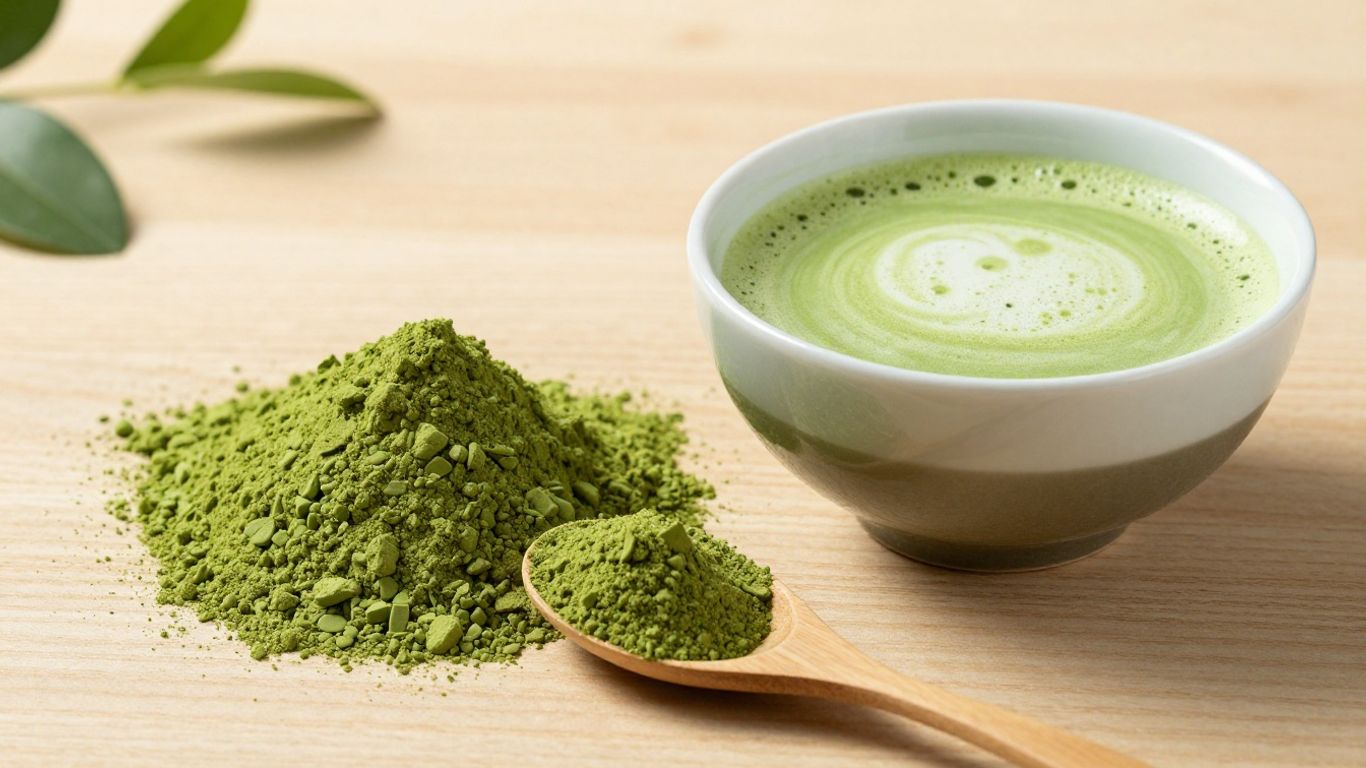
Matcha, which literally means "powdered tea" in Japanese, is a special kind of green tea. Unlike the green teas you might be used to, where you steep the leaves and then discard them, with matcha, you consume the entire leaf, ground into a super-fine powder. This makes a big difference in what you get from the tea. Think of it like comparing freshly squeezed juice to eating a whole piece of fruit – you're getting everything the plant has to offer.
The Unique Production Process of Matcha
The journey to becoming matcha powder is quite involved. About a month before harvest, the tea plants are covered to block out sunlight. This process, called "shading," makes the leaves produce more chlorophyll, giving matcha its vibrant green colour, and also increases the amount of amino acids, like L-theanine, which contributes to its unique flavour and calming effects. After picking, only the best, youngest leaves are chosen. They're steamed to stop oxidation, then dried. Next, the stems and veins are removed, leaving behind what's called "tencha." This tencha is then slowly ground between stone mills for hours to create that incredibly fine powder we know as matcha. It's this meticulous process that sets matcha apart.
Key Indicators of Quality Matcha
Not all matcha is created equal, and knowing what to look for can really help you find the good stuff. As a local Australian importer of authentic Japanese matcha from Uji and Yame, we've seen a lot, and we know quality when we see it.
- Colour: High-quality matcha should be a bright, almost fluorescent jade green. If it looks yellowish or brownish, it's likely older, poorly stored, or made from lower-quality leaves.
- Texture: Really good matcha feels like talcum powder. If you rub a little between your fingers, it should be silky smooth, with no grittiness at all. This fineness comes from traditional stone grinding.
- Origin: The best matcha comes from specific regions in Japan, like Uji and Yame. Be a bit wary if a product doesn't state its origin or claims to be from somewhere else.
Paying attention to these details helps you appreciate the true character of authentic matcha and avoid disappointment. It's a world away from generic green tea powders.
Does Matcha Powder Contain Dairy Naturally?
It's a common question, especially with so many delicious matcha-based drinks popping up everywhere. Let's clear things up right away: pure, authentic matcha powder, like the kind we carefully import from the renowned tea regions of Uji and Yame in Japan, does not contain any dairy. It's simply not an ingredient in its traditional form.
Matcha's Core Composition
At its heart, matcha is just finely ground green tea leaves. The process involves growing tea plants, shading them to boost chlorophyll and amino acids, harvesting the tender leaves, and then steaming, drying, and de-stemming them. What's left, called tencha, is then meticulously stone-ground into the vibrant, powdery green tea we know and love. The entire journey from leaf to powder is completely plant-based.
The Absence of Dairy in Pure Matcha
Think of it this way: if you buy a tin of high-quality matcha powder, you're getting just that – powder. There are no added milks, creams, or dairy derivatives. Any dairy content would come from what's added to the matcha later, not from the matcha itself. This is why understanding the source and purity of your matcha is so important for anyone mindful of their ingredients.
Exploring Matcha's Origins and Traditional Preparation
Matcha's history is deeply rooted in Japanese culture, particularly within Zen Buddhism. For centuries, it was prepared simply with hot water and whisked to a frothy consistency. This traditional method highlights the pure, natural flavours of the tea itself. While modern interpretations often involve milk, the original matcha experience is entirely dairy-free. When you're looking for the real deal, focusing on single-origin, pure matcha powder is your best bet for an authentic taste and ingredient list. Learn about pure matcha.
Navigating Dairy in Matcha-Based Beverages
Matcha's journey from a traditional Japanese tea ceremony to a global café favourite has introduced it to a whole new world of ingredients, and that's where things can get a bit tricky if you're watching your dairy intake. While pure matcha powder is naturally dairy-free, the way it's prepared in many popular drinks can introduce milk and other dairy products.
Common Matcha Drinks and Their Ingredients
Many of us first encounter matcha in a latte, which, by definition, involves milk. However, the 'hidden' dairy can lurk in other forms too. Think about pre-packaged matcha mixes, flavoured syrups, or even baked goods that use matcha. These often contain milk solids, whey, or other dairy derivatives for texture, flavour, or preservation.
- Matcha Lattes: The most common culprit. Traditionally made with steamed milk, but often prepared with various dairy or non-dairy milks.
- Matcha Smoothies: Can contain yogurt, milk, or ice cream.
- Matcha Baked Goods: Cookies, cakes, and pastries frequently use butter, milk, and cream.
- Pre-made Matcha Mixes: These can be a minefield of hidden dairy, often added for creaminess or as a filler.
The Role of Milk in Matcha Lattes
When you order a matcha latte, the milk is what gives it that creamy texture and familiar latte feel. For those who enjoy dairy, whole milk or even skim milk can be used. However, if you're aiming for a dairy-free experience, this is where you'll need to be mindful. Many cafes now offer a range of non-dairy alternatives like oat, almond, soy, or coconut milk. It's always best to specify your preference when ordering to avoid any accidental dairy.
Understanding 'Hidden' Dairy in Pre-Made Mixes
This is where things can get a bit more complex. Pre-packaged matcha powders, especially those marketed for convenience or as 'instant' mixes, might contain dairy ingredients you wouldn't expect. Manufacturers sometimes add milk powder, whey protein, or lactose to improve the texture, mouthfeel, or shelf life of the product. As a local Australian importer of authentic Japanese matcha from Uji and Yame, we've seen how crucial ingredient transparency is. Always check the ingredient list on these mixes. You might find things like:
- Milk Solids
- Whey Powder
- Lactose
- Caseinates
If you're looking for a pure matcha experience, sticking to single-ingredient, pure matcha powder is your safest bet. For those wanting to make their own dairy-free matcha latte at home, a simple recipe like this banana bread syrup matcha latte can be a great starting point, avoiding those unexpected additions.
When you're choosing matcha-based products, especially those not directly from a trusted source, always scrutinise the ingredient list. What seems like a simple green tea powder can sometimes be a blend with added dairy components for texture or flavour.
Choosing the Right Milk for Your Matcha
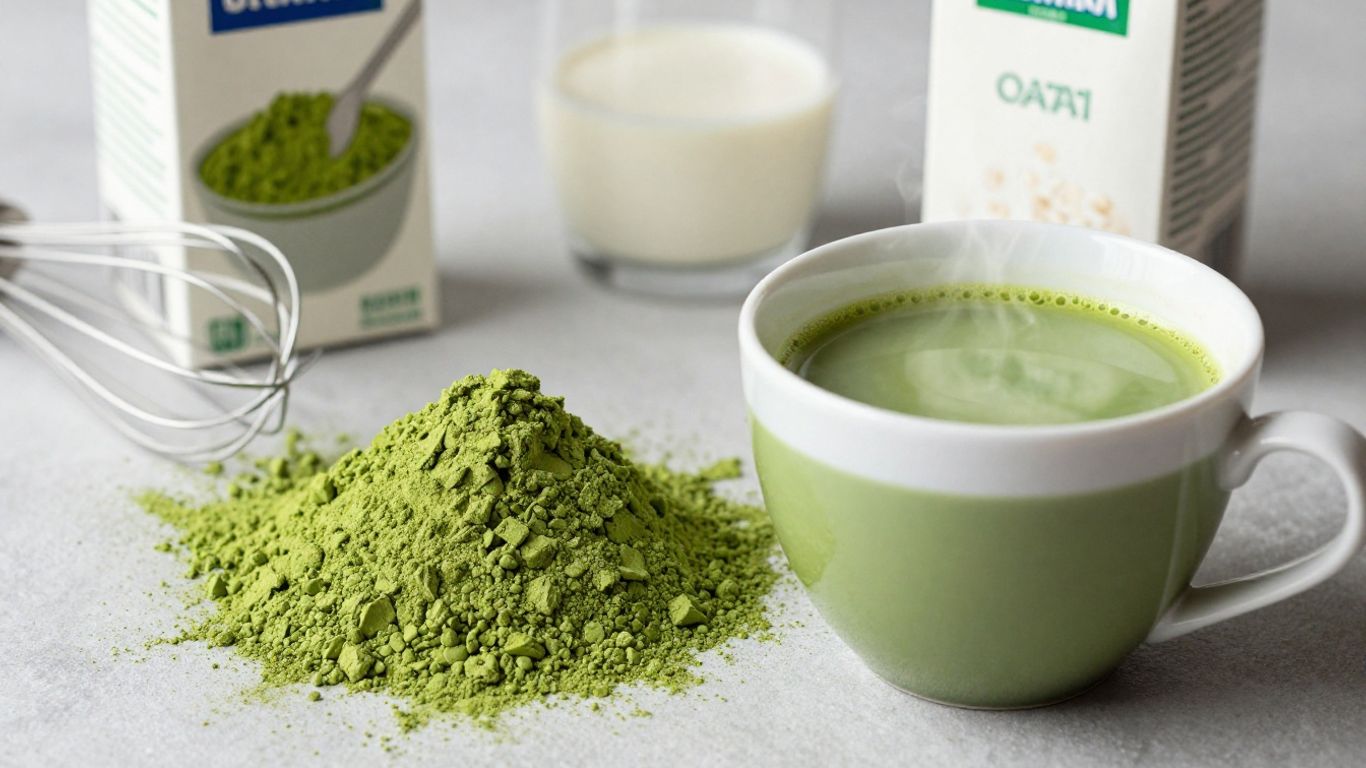
When you're enjoying matcha, especially in a latte, the milk you choose plays a surprisingly big role. It's not just about adding creaminess; the milk can really change how the matcha tastes. As a local Australian importer of authentic Japanese matcha from Uji and Yame, we've seen firsthand how different milks can either complement or compete with the delicate flavour of high-quality matcha.
Exploring Dairy Milk Options
For those who prefer traditional dairy, whole milk is a popular choice. It offers a rich, creamy texture and a familiar taste that many enjoy. If you're sensitive to lactose, options like Lactaid milk are available, providing the same dairy taste without the discomfort. However, it's worth noting that some people find the richness of dairy can sometimes mask the subtle notes of premium matcha. It really comes down to personal preference and what you're looking for in your cup.
Benefits of Non-Dairy Milk Alternatives
Non-dairy milks have become incredibly popular for matcha lattes, and for good reason. They offer a wide range of flavours and textures that can beautifully enhance your matcha. Oat milk, for instance, is a favourite among many baristas and home brewers alike. Its natural sweetness and creamy consistency make it a fantastic base that doesn't overpower the matcha. We often recommend barista-style oat milk for its frothing capabilities, which can help create that lovely cafe-style texture.
Other plant-based options like almond milk provide a lighter, slightly nutty profile, while soy milk offers a distinct flavour that some find pairs well with matcha's earthiness. Coconut milk can add a tropical twist, though its strong flavour might compete with the matcha. When selecting a non-dairy milk, consider its inherent taste and how it might interact with the matcha's natural profile.
How Different Milks Affect Matcha Flavor
Think of milk as another ingredient that can shape your matcha experience. A very neutral milk, like a well-made oat or rice milk, will let the matcha's unique vegetal notes and subtle sweetness come through. This is often ideal if you're using a high-grade ceremonial matcha and want to appreciate its pure flavour. On the other hand, a milk with a stronger flavour, like a sweetened almond milk or a rich soy milk, can add another layer of complexity. It might even help to mellow out any bitterness you might perceive, especially if you're new to matcha or using a culinary grade.
The key is to experiment. What one person finds perfect, another might find too strong or too weak. Don't be afraid to try a few different milks with your favourite matcha. You might be surprised at what you discover. It's all part of the journey to finding your perfect matcha moment.
Ultimately, the best milk for your matcha is the one that you enjoy the most. Whether you're a fan of traditional dairy or exploring the diverse world of plant-based alternatives, there's a perfect pairing out there waiting for you. We encourage you to try different combinations to truly appreciate the versatility of authentic Japanese matcha.
Identifying Dairy in Your Matcha Purchase
When you're looking for pure matcha, especially if you're trying to avoid dairy, a little detective work on the packaging is key. It’s not always obvious, and sometimes dairy can sneak into places you wouldn't expect. As a local Australian importer of authentic Japanese matcha from Uji and Yame, we know how important it is to get it right.
Reading Matcha Product Labels Carefully
Most pure matcha powder won't have dairy. It's just finely ground green tea leaves. However, if you're buying a matcha blend or a pre-made mix, that's where things can get tricky. Always check the ingredients list. Look out for common dairy terms like milk powder, whey, casein, lactose, or butter. These are usually pretty straightforward to spot.
- Pure Matcha: Should only list 'green tea' or 'matcha'.
- Matcha Blends/Flavoured Matcha: May contain other ingredients. Always scrutinise.
- Pre-made Mixes: These are the most likely culprits for hidden dairy.
The most important thing is to look for a clear ingredients list. If it's vague or missing, it's probably best to steer clear.
When to Inquire About Ingredients
If you're at a cafe or a shop and the packaging isn't clear, or if you're ordering a matcha drink, don't hesitate to ask. It's perfectly normal to inquire about the ingredients, especially if you have dietary needs. For instance, if you're ordering a matcha latte, the barista will likely ask what kind of milk you prefer. This is your chance to specify a non-dairy option. If you're buying a matcha product directly from a supplier, like us, we're always happy to provide detailed information about our matcha sourcing and ingredients.
Sometimes, even if the matcha powder itself is dairy-free, the way it's prepared or packaged can introduce dairy. Think about shared equipment in busy cafes or cross-contamination risks. It's always better to be safe than sorry.
Trusting Reputable Matcha Suppliers
Choosing a supplier you trust makes a big difference. Reputable suppliers, especially those who specialise in high-quality matcha, are usually very transparent about their products. They understand the importance of purity and will clearly label their matcha. We pride ourselves on offering authentic, single-origin matcha from Japan, with no added ingredients. When you buy from us, you know exactly what you're getting – just pure, vibrant matcha.
Collaborating for Dairy-Free Matcha Enjoyment
Creating a delightful dairy-free matcha experience is all about smart choices and a bit of experimentation. Whether you're a home brewer or a business owner, working together with your customers and suppliers can make all the difference. As a local Australian importer of authentic Japanese matcha from Uji and Yame, we're passionate about helping everyone enjoy pure matcha.
Tips for a Delicious Dairy-Free Matcha Latte
Making a fantastic dairy-free matcha latte at home is surprisingly simple. It really comes down to the quality of your matcha and the milk you choose. Here are a few pointers to get you started:
- Start with Great Matcha: The foundation of any good matcha latte is, well, the matcha! Using a high-quality ceremonial grade matcha, like the ones we source directly from Japan, will give you a smoother, less bitter taste that pairs beautifully with any milk.
- Choose Your Milk Wisely: Oat milk is a popular choice for its creamy texture and neutral flavour, making it a favourite in cafes. Almond milk offers a lighter, nuttier profile, while coconut milk can add a subtle tropical note. For those seeking a richer foam, barista-edition plant milks are often formulated to froth better.
- Sweeten to Taste: A touch of sweetener can balance the natural earthiness of matcha. Maple syrup, agave, or honey are great options. Adjust the amount to your personal preference.
- Master the Whisk: Proper whisking is key to a smooth, clump-free matcha. Use a bamboo whisk (chasen) to break down the powder and create a lovely froth. If you don't have one, a small milk frother can also work.
Ensuring a Pure Matcha Experience
For businesses, collaborating with your customers means being transparent about ingredients and offering clear choices. For consumers, it means asking the right questions and reading labels.
- Ingredient Transparency: Clearly list all ingredients used in your matcha-based drinks. If you offer dairy-free options, make sure they are prominently displayed.
- Supplier Relationships: Work with suppliers who can guarantee the purity of their matcha. We pride ourselves on importing only the finest, single-origin matcha, free from any additives or dairy.
- Customer Education: Help your customers understand the difference between pure matcha and pre-made mixes that might contain hidden dairy or other allergens.
When you're looking at matcha products, especially those marketed for lattes or other mixed drinks, always check the ingredient list. Sometimes, what seems like a simple green tea powder can have added milk solids or creamers to make it easier to mix. This is especially true for instant or flavoured matcha powders. Sticking to pure, single-ingredient matcha powder is the safest bet for avoiding dairy.
Sharing Your Dairy-Free Matcha Journey
We love seeing how our community enjoys matcha! Sharing your experiences, recipes, and tips helps everyone discover new ways to enjoy this incredible tea.
- Share Your Creations: Post photos of your dairy-free matcha lattes or other matcha treats on social media. Tag us and use relevant hashtags so we can see your delicious creations!
- Exchange Recipes: Found a killer oat milk matcha latte recipe? Or perhaps a dairy-free matcha smoothie that's out of this world? Share it with others! You might even find inspiration for a new matcha latte yogurt bark recipe.
- Provide Feedback: Let us know what you love and what could be improved. Your feedback helps us continue to source and provide the best authentic Japanese matcha for everyone in Australia to enjoy.
Creating delicious dairy-free matcha treats is a team effort! We love seeing how you enjoy our pure matcha, whether it's in a creamy latte or a baked good. Share your creations with us and inspire others to explore the wonderful world of dairy-free matcha. Visit our website to discover more recipes and tips!
Wrapping Up Our Matcha & Dairy Chat
So, we've looked into whether matcha powder itself has dairy, and the short answer is no, pure matcha is dairy-free. It's just finely ground green tea leaves. The real question often comes up when we're thinking about making a matcha latte, right? That's where milk, whether it's from a cow or a plant, comes into play. We've seen that choosing your milk is key to both the taste and how it fits into your diet. Whether you're going for oat, almond, or even regular milk, just double-checking the ingredients list on any pre-made matcha mixes or flavored powders is always a good idea. Thanks for joining us on this little exploration – happy sipping!
Frequently Asked Questions
What exactly is matcha powder?
Matcha is a special type of green tea from Japan. Instead of steeping tea leaves in water, you actually drink the whole leaf ground into a super fine powder. This means you get all the good stuff from the tea leaves in every sip!
Does pure matcha powder have any dairy in it?
Nope! Pure matcha powder is made from just one ingredient: green tea leaves. It's naturally dairy-free. Dairy might show up later if you add it to drinks, but the powder itself is clean.
Why do some matcha drinks taste milky?
That's usually because milk or a milk-like drink has been added! Matcha lattes, for example, are made with milk. Sometimes, pre-made matcha mixes might also have dairy ingredients added for flavor or texture.
What kind of milk is best for a matcha latte?
You have lots of choices! You can use regular dairy milk, or try plant-based options like oat milk, almond milk, soy milk, or coconut milk. Oat and coconut milk tend to make lattes extra creamy, while almond milk has a milder taste.
How can I be sure my matcha product doesn't have hidden dairy?
Always check the ingredient list on the package! Look for any mention of milk, whey, casein, or lactose. If you're still unsure, especially when ordering at a cafe, it's best to ask the staff or buy from trusted brands that clearly state their ingredients.
Can I drink matcha if I'm trying to avoid dairy?
Absolutely! Just make sure you're drinking pure matcha powder or making your own drinks with dairy-free milk alternatives. This way, you can enjoy the taste and benefits of matcha without any dairy.

