

So, you're thinking about getting into matcha for your cafe or shop? It's a smart move, honestly. It seems like everyone wants a taste of that vibrant green goodness these days, and it's not just a fad anymore. It's showing up everywhere, from fancy coffee shops to health food stores. But getting started can feel a bit overwhelming, right? There's a lot to think about, like where to even find good quality matcha and how to make sure it's the right kind for what you want to do. This guide is here to help clear things up and make the whole process a lot less confusing. We'll walk through what you need to know to find a good matcha tea supplier and make sure your customers love what you serve.
Key Takeaways
- Figure out exactly what kind of matcha your business needs and who your customers are before you start looking for a supplier.
- Understand the difference between ceremonial and culinary grade matcha, and know that where your matcha comes from, like Uji or Nishio, can matter for quality and brand story.
- When choosing a matcha tea supplier, think about whether buying wholesale locally or sourcing directly from Japan makes more sense for your business size and needs.
- Always ask potential suppliers about their sourcing, freshness checks, and certifications to make sure you're getting a reliable, safe product.
- Consider options like white label or private label if you want to sell matcha under your own brand, but pay attention to minimum order amounts.
Understanding Your Matcha Needs
Before you start stocking your shelves or adding new drinks to your menu, it's important to figure out exactly what kind of matcha your business needs. This isn't just about picking a pretty green powder; it's about making sure you get the right product for your customers and your brand. As a South Australian business, having a local supplier like us at Matcha Warehouse means you get fast delivery right here in SA, so you're never left waiting.
Defining Your Business Requirements
Think about how you plan to use matcha. Is it going to be the star of your beverage menu, like in lattes and smoothies? Or will it be a key ingredient in baked goods and desserts? The way you use matcha will heavily influence the grade you need. For drinks where the matcha flavour needs to shine through, especially when mixed with milk or sweeteners, a higher quality culinary grade is often best. If you're aiming for a premium, traditional tea experience, then ceremonial grade is the way to go. Knowing your primary use case is the first step to choosing the right matcha.
Assessing Your Customer Base
Who are you serving? Are your customers health-conscious individuals looking for antioxidants and natural energy? Or are they adventurous foodies eager to try new flavours in pastries and sweets? Understanding your typical customer helps tailor your matcha selection. For instance, if you have a health-focused clientele, highlighting the organic nature and origin of your matcha becomes a selling point. If your customers are more about indulgence, perhaps a richer, more flavourful culinary grade for desserts would be more appropriate. We can help you find the perfect match for your Adelaide cafe or retail store.
Evaluating Your Menu Integration
How will matcha fit into your existing menu? Consider the flavour profile you want to achieve. Do you want a bright, grassy flavour, or something richer and more robust? Matcha grades vary significantly in taste. Ceremonial grade is smooth and slightly sweet, perfect for drinking straight or in delicate preparations. Culinary grade can be more robust, sometimes a bit more bitter, which works well when paired with other strong flavours like chocolate or milk. It's also worth thinking about the visual appeal – a vibrant green matcha makes for a much more attractive drink or dish. We offer a range of matcha grades perfect for any application, ensuring consistency for your menu items.
Navigating Matcha Grades and Origins
When you're looking for the best matcha for your cafe or retail space here in South Australia, it's not just about picking a pretty green powder. Understanding the different grades and where your matcha comes from is a big deal. It directly affects the taste, how you can use it, and what your customers will experience.
Ceremonial Versus Culinary Grade: What's the Difference?
Think of it like wine or olive oil – there are different levels of quality, and matcha is no different. The main difference comes down to the tea leaves themselves and how they're processed.
- Ceremonial Grade: This is the top tier. It's made from the youngest, most tender tea leaves, picked at the very start of the harvest. These leaves are carefully deveined and destemmed before being stone-ground into an incredibly fine powder. The result? A vibrant green colour, a smooth, slightly sweet flavour with a pleasant umami kick, and a creamy texture. This grade is best enjoyed on its own, whisked with hot water, to really appreciate its delicate taste. It's what you'd use for a traditional tea ceremony.
- Culinary Grade: This is a more robust grade, made from slightly older leaves. While still good quality, it has a stronger, sometimes more astringent flavour profile. This makes it perfect for mixing with other ingredients. It holds up well against milk, sugar, and other flavourings, making it ideal for lattes, smoothies, baked goods, and other mixed drinks. It's generally more affordable than ceremonial grade, which is important when you're making a lot of drinks.
It's a common mistake to use expensive ceremonial matcha for baking. You'll get a much better flavour and value using a good culinary grade for those applications. For a premium latte, a high-quality culinary or a 'premium' grade often hits the sweet spot.
The Significance of Matcha Origins: Uji and Nishio
Just like wine grapes, the region where matcha is grown makes a significant difference. Japan is renowned for its high-quality matcha, and two regions stand out:
- Uji: Often called the birthplace of matcha, Uji in Kyoto prefecture has a long, storied history with tea cultivation. Matcha from Uji is considered the gold standard, known for its exceptional quality, rich flavour, and deep cultural significance.
- Nishio: Located in Aichi prefecture, Nishio is one of Japan's largest matcha-producing areas. It offers excellent quality, often providing a fantastic balance of flavour and value for wholesale buyers looking for authentic Japanese matcha.
For us here at Matcha Warehouse, we focus on sourcing directly from these quality regions, bringing that authentic Japanese flavour right here to South Australia. We understand the importance of origin for taste and authenticity.
Why Organic Matcha Matters for Your Brand
In today's market, customers are increasingly aware of what they're consuming. Offering organic matcha can be a real selling point for your business.
- Purity and Trust: Organic certification means the matcha is grown without synthetic pesticides or fertilisers. This gives your customers peace of mind and builds trust in your brand.
- Health-Conscious Appeal: Many people choose matcha for its health benefits. Organic matcha aligns perfectly with a health-focused lifestyle.
- Premium Perception: Organic products often carry a perception of higher quality, allowing you to potentially price your matcha offerings more competitively.
We make sure to offer organic matcha options, so you can be confident in the quality and purity you're serving. It’s about providing the best for your customers and supporting sustainable farming practices.
Choosing the right matcha grade and understanding its origin are key steps in building a successful matcha program. It ensures you're serving a product that tastes great and meets your business needs. Ready to explore wholesale rates for your Adelaide cafe or retail store? Contact Matcha Warehouse today at matchawarehouse.com.au.
Choosing Your Ideal Matcha Tea Supplier
Finding the right partner for your matcha supply is a big step for any cafe or retailer in South Australia. You want someone who gets what you need – consistent quality, fast delivery right here in SA, and tea that tastes amazing. It’s not just about buying powder; it’s about building a reliable relationship that helps your business grow.
Wholesale Versus Direct Sourcing: A Strategic Choice
When you're looking to buy matcha in larger quantities, you've got a couple of main paths. You can go with a supplier based here in Australia, or you could try sourcing directly from Japan. Each has its own perks.
- Local SA Suppliers: The big win here is speed. If you need matcha quickly, having a local stockist means faster delivery times, which is super helpful for keeping your shelves stocked and your customers happy. Communication is usually easier too, and you don't have to worry about customs or import hassles.
- Direct from Japan: This route can sometimes offer better pricing, especially for larger orders, and you might get access to fresher tea straight from the source. However, it often means longer wait times and you'll need to handle any import paperwork yourself.
For many businesses in Adelaide and across South Australia, working with a supplier that holds local stock, like us at Matcha Warehouse, strikes a great balance. You get the benefits of quick SA delivery without the complexities of international shipping.
Key Questions to Ask Potential Suppliers
Before you commit, it’s smart to ask some questions. This helps you figure out if a supplier is a good fit for your business. Think about these:
- Where do you source your matcha from? Knowing the origin (like Uji or Nishio in Japan) tells you a lot about the quality. We're proud to source directly from Japan's premier tea-growing regions.
- How do you ensure freshness? Matcha loses its flavour and colour if not stored properly. Ask about their packaging and storage methods.
- What are your delivery times to South Australia? For us, fast, reliable delivery across SA is a priority.
- Can I get samples? Tasting is believing, right? Always try before you buy in bulk.
Asking these questions upfront can save you a lot of headaches down the line. It shows you're serious about quality and building a solid partnership.
Certifications to Look For: Quality and Safety Assurances
Certifications are like a stamp of approval. They tell you that the matcha meets certain standards for quality and safety. For your customers, especially those who care about what they consume, these can be really important.
- Organic Certification: This is a big one. It means the matcha was grown without synthetic pesticides or fertilisers. For many health-conscious consumers, this is a must-have.
- Origin Verification: While not always a formal certification, knowing your supplier can verify the specific region and farm the matcha comes from adds a layer of trust. We focus on single-origin matcha from Japan's most respected areas.
Choosing a supplier who is transparent about their sourcing and certifications means you can serve your customers with confidence. Ready to explore wholesale rates for your cafe or retail business? Contact Matcha Warehouse today at matchawarehouse.com.au.
Ensuring Consistency and Quality
For cafes and retailers here in South Australia, keeping your matcha offering consistent is absolutely key. Customers expect the same great taste and vibrant colour every time they order a matcha latte or a scoop of your matcha-infused dessert. At Matcha Warehouse, we get this. We work directly with Japanese tea farms to bring you high-quality matcha that you can rely on, right here in Adelaide.
The Importance of a Reliable Supply Chain
Think of your supply chain as the backbone of your matcha business. If it's shaky, everything else can fall apart. We understand that running a cafe or retail store means you're busy. You don't have time to worry about where your matcha is coming from or if it will arrive on time. That's why we focus on having local stock available for fast delivery across SA. This means fewer delays and a steady flow of product, so you can keep your shelves stocked and your customers happy.
Verifying Product Freshness and Standards
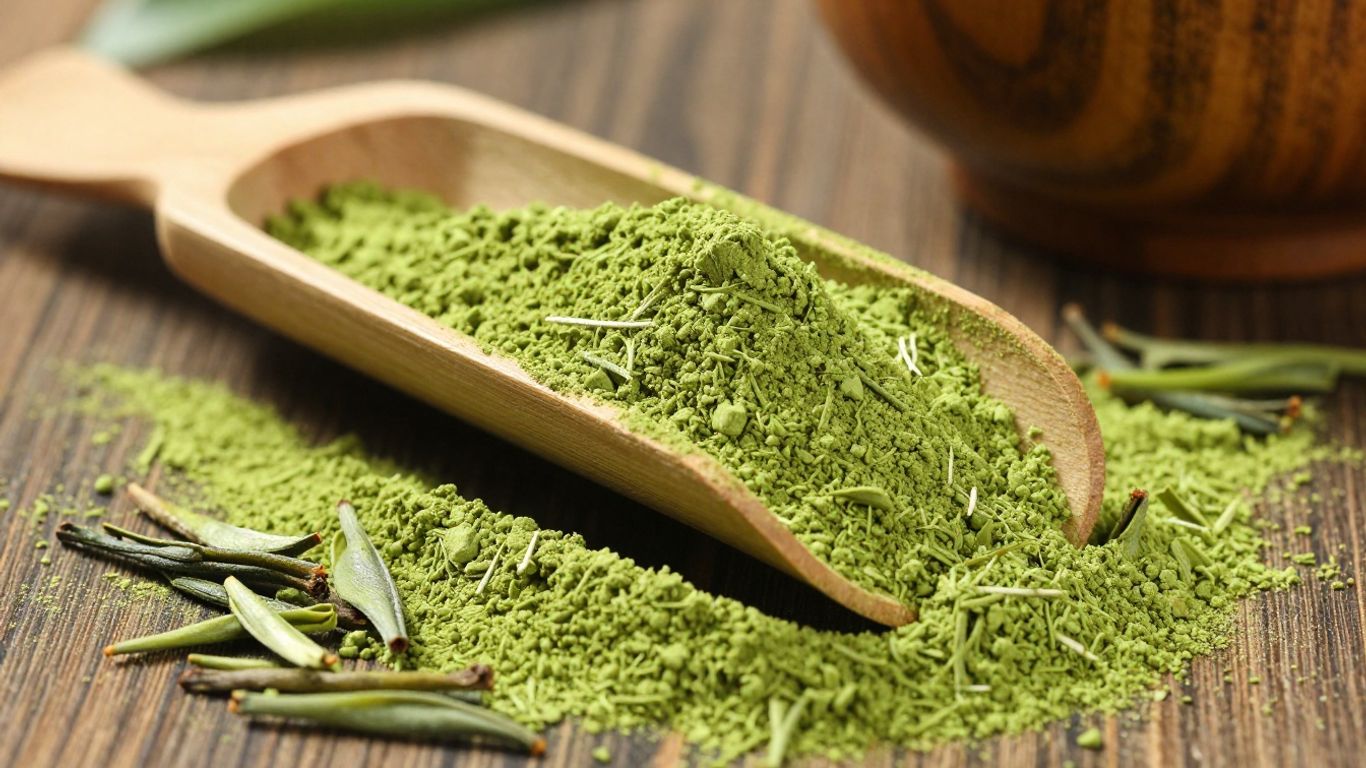
How do you know if the matcha you're buying is actually good? It comes down to a few things. High-quality matcha should be a bright, vivid green. If it looks dull or yellowish, that's usually a sign it's not the freshest or it's been processed differently. The texture should be super fine, almost like dust, and it should taste smooth with a bit of that lovely umami flavour, not bitter. We take pride in our sourcing, making sure our matcha meets these standards. We can provide details on our sourcing and processing, so you know exactly what you're getting.
Understanding Batch-to-Batch Consistency
This is where working with a dedicated supplier like us really pays off. We know that even within the best tea farms, there can be slight variations from one harvest to the next. Our job is to manage these variations and select the best batches to send to you. We aim to provide matcha that is consistently excellent, so your signature matcha latte tastes the same today as it does next month. This reliability helps build trust with your customers and makes your menu planning much simpler. If you're looking for a dependable source for your matcha needs, get in touch with us at matchawarehouse.com.au for wholesale rates.
Exploring Branding and Private Label Options
Want to put your own stamp on the matcha you serve or sell? It's a smart move, especially here in South Australia. We know that local businesses like yours want to stand out. That's where branding and private label options come in. It's your chance to create something unique for your customers, right here in Adelaide.
White Label Matcha: A Quick Market Entry
Think of white label as getting a head start. You take a high-quality matcha that we already source and trust, and simply put your own label on it. It’s a straightforward way to start selling matcha under your business name without a massive upfront investment. This is perfect for cafes looking to offer a retail product or businesses wanting to test the market quickly. We can help you get your own matcha brand off the ground with minimal fuss, focusing on the quality you expect from us.
Private Label Matcha: Crafting Your Unique Brand
If you're ready to go a step further, private label is the way to build a distinct identity. This means working with us to select specific matcha grades and flavour profiles that truly represent your vision. You're not just putting your name on a product; you're helping to shape it. We can work with you to develop a matcha that perfectly fits your menu or retail line, giving you a competitive edge.
Low Minimum Order Quantities for Startups
We understand that starting or expanding a business in SA means managing costs carefully. That's why we offer low minimum order quantities (MOQ) for our white label and private label services. You don't need to commit to huge volumes right away. This flexibility allows new cafes and retailers in Adelaide and across South Australia to experiment and grow at their own pace, ensuring you only order what you need.
Building your own brand with matcha doesn't have to be complicated. We're here to support you with quality Japanese matcha, sourced directly for freshness and flavour, and delivered fast across SA. Let's create something special together for your customers.
Ready to explore how your business can benefit from our branding options? Contact Matcha Warehouse today at matchawarehouse.com.au to discuss wholesale rates and how we can help you create your unique matcha offering.
Maximizing Profitability with Wholesale Matcha
Getting your hands on quality matcha in bulk is a smart move for any Adelaide or wider South Australian business looking to boost their bottom line. It’s not just about getting more product; it’s about getting better value and making your matcha offerings more appealing to your customers.
Strategic Pricing for Matcha Products
Setting the right price for your matcha items is key. You need to cover your costs, of course, but also make sure you’re competitive. Think about your wholesale price from us here at Matcha Warehouse, any shipping costs, and what you’ll spend on marketing. Then, consider your customer base. Are they looking for a budget-friendly matcha latte, or are they willing to pay a bit more for a premium ceremonial grade? Offering different price points can capture a wider audience. For instance, a standard matcha latte might be priced accessibly, while a pure ceremonial matcha served traditionally could command a higher price. This tiered approach helps you cater to different budgets and preferences.
Here’s a simple way to think about pricing:
- Cost Calculation: Add up your wholesale matcha cost, any other ingredients (milk, sweetener), labour, and overheads.
- Market Research: See what similar businesses in Adelaide are charging for comparable matcha products.
- Profit Margin: Decide on a healthy profit margin that works for your business goals.
Leveraging Bulk Purchasing for Cost Savings
Buying matcha in larger quantities from a local supplier like Matcha Warehouse means you get a lower price per kilogram. This is a big win for your profit margins. Plus, having a good stock on hand means you’re less likely to run out during busy periods, which keeps your customers happy and coming back. We focus on providing local stock with fast delivery across SA, so you don’t have to worry about long waits or import hassles. This reliability is a huge part of keeping your costs predictable and your business running smoothly.
Understanding Market Value and Competitor Pricing
It’s always a good idea to keep an eye on what other cafes and retailers are doing. What are they charging for their matcha drinks or products? Are they offering special deals? Knowing this helps you position your own pricing effectively. You want to be seen as offering good value, whether that’s through a lower price point or a higher quality product for a similar price. Remember, the quality of our Japanese matcha is something you can really highlight to justify your pricing. We can help you understand the market value of different grades of matcha so you can make informed decisions.
Sourcing your matcha wholesale from a trusted supplier like Matcha Warehouse means you're not just buying tea; you're investing in a consistent, high-quality ingredient that can significantly impact your profitability. Our commitment to quality and local SA delivery helps streamline your operations and boost your bottom line.
Ready to explore how our premium Japanese matcha can benefit your business? Contact Matcha Warehouse today for wholesale rates and discover the difference local stock and fast SA delivery can make.
Building a Successful Matcha Offering
So, you've got your high-quality matcha sorted from Matcha Warehouse, and you're ready to share it with Adelaide and the wider South Australian market. That's fantastic! Now, let's talk about making sure your matcha products really shine and bring in the customers.
Educating Your Staff and Customers
Think of your team as your first line of matcha ambassadors. If they know their stuff, your customers will feel more confident trying new things. It's not just about telling them "this is good matcha." It's about sharing why it's good.
- Taste Profiles: Help your staff identify and describe the different flavour notes – is it grassy, sweet, or a bit vegetal?
- Preparation Tips: Show them the best way to whisk it for a smooth, frothy latte, or how to make a refreshing iced matcha.
- Health Benefits: Briefly touch on why matcha is a great choice – sustained energy without the crash, antioxidants, that sort of thing. Keep it simple and relatable.
For your customers, simple signage or even a small card with your drinks can do wonders. A little info goes a long way in helping them appreciate the quality you're offering.
Developing a Profitable Matcha Menu
Your menu is where the magic happens, turning quality matcha into appealing options for your customers. We've got the local SA stock and fast delivery sorted, so you can focus on creating.
- Start Simple: Begin with a few core matcha drinks. A classic Matcha Latte (hot and iced) is a must. Maybe add a Matcha Frappe or a Matcha Lemonade for something different.
- Consider Your Audience: Are you in a busy city spot where quick, grab-and-go options are key? Or a more relaxed cafe where people might linger over a matcha parfait?
- Seasonal Specials: Use those seasonal opportunities we talked about. A "Winter Warmer Matcha Mocha" or a "Summer Berry Matcha Cooler" can create buzz and drive sales.
Don't forget to price your items thoughtfully. Factor in the quality of the Japanese matcha you're using, your other ingredients, and your operational costs. We can help you understand the market value for premium matcha here in SA.
Marketing the Unique Benefits of Matcha
Matcha isn't just another green drink; it's got a story and real benefits that people are looking for.
When you're talking about matcha, focus on what makes it special. It's not just about the vibrant colour, but the unique way it's grown and processed, leading to a different kind of energy and a rich set of nutrients. This makes it a standout choice for health-conscious consumers and those looking for a premium beverage experience.
Highlighting the Japanese origin, the specific growing regions (like Uji or Nishio), and the fact that it's organic can really set you apart. For South Australian businesses, emphasizing that you're sourcing from a reliable supplier like Matcha Warehouse, with local stock and quick delivery, adds another layer of trust and convenience.
Ready to build an amazing matcha offering for your South Australian customers? Get in touch with us at Matcha Warehouse today to discuss wholesale rates and how we can support your business. Visit matchawarehouse.com.au!
Want to make your matcha business a hit? Offering top-quality matcha is key. We source our pure matcha straight from farms in Japan, ensuring you get the best for your customers. Ready to serve amazing matcha? Visit our website to learn more and get started!
Wrapping Up Your Matcha Sourcing Journey
So, finding the right matcha supplier might seem like a big task, but it really comes down to knowing what your business needs. Whether you're a bustling cafe in Adelaide or a health food store anywhere in South Australia, getting your matcha from a reliable source is key. Think about what grade works best for your customers and your menu. We've seen how important it is to have a steady supply, especially when you're busy. Partnering with a supplier who understands the local market, like one right here in SA, can make a huge difference, cutting down on those annoying shipping delays. It’s all about building a good relationship and getting a quality product that keeps your customers happy and coming back for more. Let's work together to bring the best matcha to South Australia.
Frequently Asked Questions
What's the difference between ceremonial and culinary matcha?
Think of ceremonial matcha as the fancy stuff, made from the youngest leaves for a super smooth, slightly sweet taste. It's best enjoyed plain. Culinary matcha is tougher, with a stronger taste that's perfect for mixing into lattes, smoothies, or baked goods. It's usually more affordable too.
Why is the origin of matcha important?
Just like wine grapes, where matcha leaves grow really matters! Places like Uji and Nishio in Japan are famous for growing amazing matcha because of their soil and climate. Buying from these areas often means you're getting a higher quality, more authentic taste.
Should my business buy matcha in bulk?
Yes, absolutely! Buying in bulk, like by the pound or kilogram, is much cheaper per serving than buying small tins. This is key for cafes and shops that use a lot of matcha for drinks and food. It helps you save money and make more profit.
What does 'white label' or 'private label' matcha mean?
White label means you buy a ready-made matcha from a supplier and just put your own sticker on it. It's a quick way to start selling matcha under your brand. Private label is more involved; you work with the supplier to create a special blend just for you. This takes more time but gives you a unique product.
How can I make sure the matcha I buy is good quality?
Look for suppliers who are open about where their matcha comes from and how it's made. Ask for samples to taste and see the color yourself. Certifications like 'Organic' are also good signs. A reliable supplier will also have a consistent supply chain, meaning you won't run out of stock.
Is it better to buy from a local supplier or directly from Japan?
Buying locally, like from a supplier in South Australia, often means faster shipping and easier communication. However, importing directly from Japan might get you fresher matcha and potentially better prices for very large orders, though shipping can take longer and involve more paperwork. It depends on your business size and needs.

