

So, you've heard that matcha might mess with your iron levels, and now you're wondering if you have to give up your favorite green drink. It's a common question, and honestly, the whole thing can sound a bit scary. But before you panic and toss your matcha powder, let's break down what's really going on. Does matcha tea affect iron absorption? We'll get into the nitty-gritty of how it works and what you can do to enjoy your matcha without worrying too much about your iron intake.
Key Takeaways
- Matcha contains compounds called tannins that can temporarily make it harder for your body to absorb non-heme iron, which is found in plant-based foods.
- This interference doesn't mean matcha causes iron deficiency; it's a temporary effect that can be managed with smart timing.
- To minimize any impact, try drinking your matcha between meals, at least an hour before or after eating iron-rich foods or taking supplements.
- Adding Vitamin C-rich foods like citrus fruits or berries to your diet, or consuming cooked iron-rich meals, can help improve iron absorption and counteract the effects of tannins.
- For most healthy individuals, enjoying matcha in moderation as part of a balanced diet poses no significant risk to iron levels.
Understanding Matcha's Interaction with Iron Absorption
Matcha, that vibrant green powder we all love, is packed with goodness. But like many things in life, it's good to know how it plays with other elements in our diet, especially something as vital as iron. As a local Australian importer of authentic Japanese matcha from Uji and Yame, we've seen a lot of questions about this, and we're here to clear things up.
What is Matcha and Why Does It Matter?
Matcha is essentially finely ground green tea leaves. Unlike regular steeped tea, when you drink matcha, you're consuming the whole leaf. This means you get a concentrated dose of all the good stuff – antioxidants, vitamins, and minerals. This whole-leaf aspect is what makes matcha so potent, but it also means its compounds interact differently with our bodies compared to other teas. Understanding this is key to enjoying matcha while keeping your iron levels in check.
The Science Behind Matcha and Iron
The main players here are compounds called tannins, which are naturally present in matcha. Tannins are known to bind with iron in the digestive tract. This binding can make it harder for your body to absorb iron, particularly a type called non-heme iron. It's not that matcha causes iron deficiency, but rather that it can temporarily interfere with absorption if consumed at the wrong time. Think of it like a temporary traffic jam for iron trying to get into your system.
Heme vs. Non-Heme Iron: A Crucial Distinction
This is where things get a bit more specific. There are two main types of dietary iron: heme and non-heme.
- Heme iron: Found primarily in animal products like red meat, poultry, and fish. Your body absorbs heme iron quite efficiently.
- Non-heme iron: Found in plant-based foods such as spinach, lentils, beans, and fortified cereals. This is the type of iron that tannins in matcha can affect.
Since non-heme iron makes up a significant portion of the iron many people consume, especially those following plant-based diets, understanding this difference is important. The tannins in matcha can bind to this non-heme iron, reducing its bioavailability. It's a good idea to be aware of this interaction, particularly if you rely heavily on plant sources for your iron intake. For those who enjoy our premium Uji matcha, knowing these details helps you get the most out of both your tea and your diet.
Navigating Matcha Consumption for Optimal Iron Levels
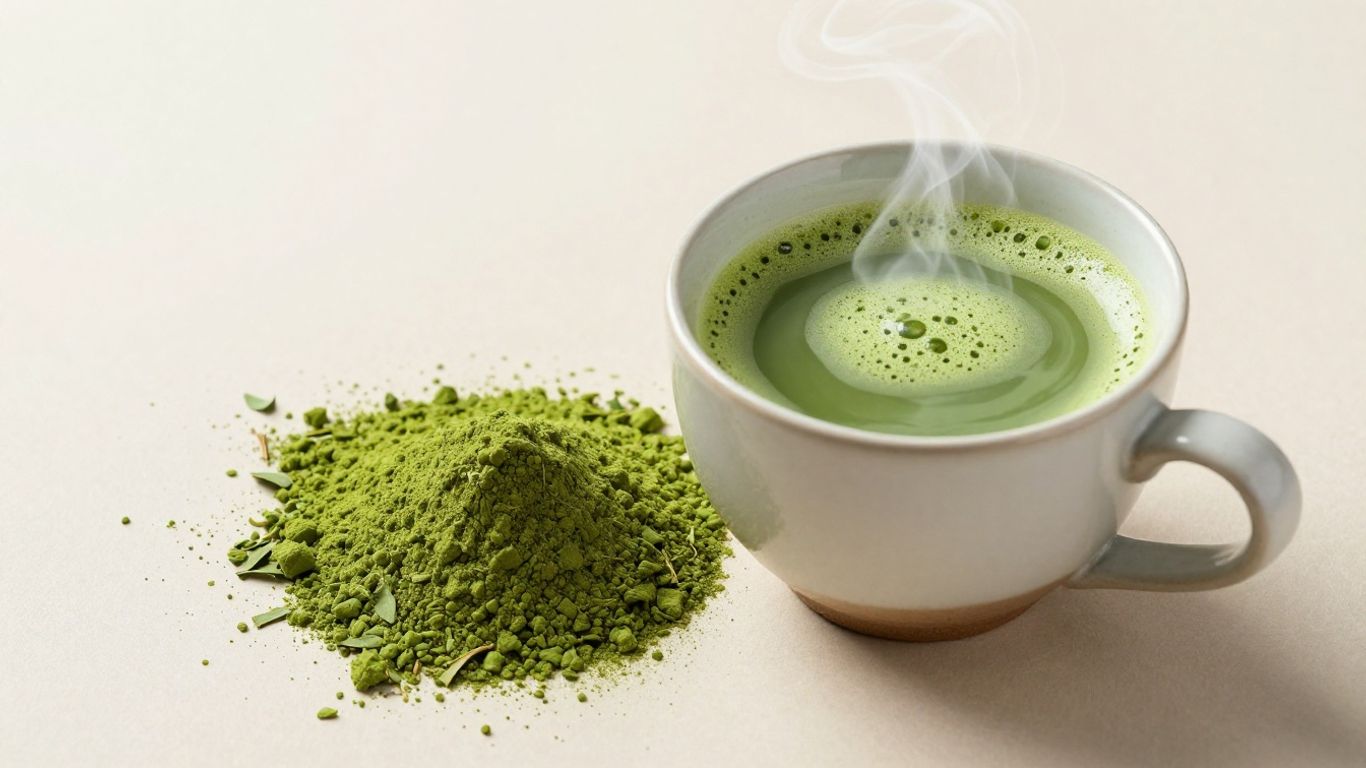
So, you love your matcha, and you're also keen on keeping your iron levels in check. That's totally understandable, especially for us here in Australia where we're often mindful of our health and well-being. The good news is, you don't have to choose between enjoying your favourite vibrant green brew and maintaining good iron status. It's all about a bit of smart timing and pairing. As a local importer of authentic Japanese matcha from Uji and Yame, we've seen firsthand how people integrate it into their lives, and we've learned a thing or two about making it work for everyone.
Timing is Everything: When to Enjoy Your Matcha
This is probably the most straightforward tip. The compounds in matcha, like tannins, can temporarily make it a bit harder for your body to absorb iron, particularly non-heme iron from plant sources. The key is to create a bit of space between your matcha and your iron intake.
- Between Meals: Aim to enjoy your matcha an hour or two before or after you eat. This separation allows your body to absorb the iron from your meal without interference.
- Avoid with Iron-Rich Meals: Try not to have your matcha at the exact same time as meals that are particularly high in iron, like a big lentil stew or a steak.
- Supplements: If you're taking iron supplements, it's a good idea to wait at least an hour, preferably two, after taking them before you have your matcha.
Strategic Meal Pairings to Maximize Nutrition
Thinking about what you eat alongside your matcha can also make a difference. While we're talking about iron, it's worth noting that matcha itself isn't a significant source of iron, but its compounds can affect the iron you do consume.
- Plant-Based Iron: If your diet relies heavily on plant-based iron sources (like spinach, beans, or fortified cereals), be extra mindful of the timing. These sources contain non-heme iron, which is more susceptible to the effects of tannins.
- Animal-Based Iron: If you eat meat, fish, or poultry, you're consuming heme iron, which your body absorbs more easily and is less affected by the compounds in matcha.
While matcha contains compounds that can temporarily interfere with iron absorption, this effect is generally mild and easily managed. It's not about avoiding matcha, but rather about being mindful of how and when you consume it, especially if you have specific dietary needs or concerns about iron levels.
The Role of Vitamin C in Counteracting Tannins
Here's a little trick that can help boost your iron absorption, even when you're enjoying your matcha. Vitamin C is a fantastic ally!
- Add a Citrus Twist: Squeezing a bit of lemon or lime into your matcha can make a surprising difference. The vitamin C in citrus fruits helps convert non-heme iron into a more absorbable form.
- Pair with Vitamin C-Rich Foods: If you're having your matcha between meals, consider having a small snack rich in vitamin C afterwards, like a handful of berries or a slice of orange.
- General Diet: Ensuring your overall diet includes plenty of vitamin C-rich foods (like capsicum, broccoli, and kiwi fruit) will support your body's ability to absorb iron from all sources.
Who Should Be Mindful of Matcha's Impact on Iron?
While matcha is a fantastic drink for many, some folks might want to pay a little extra attention to how and when they enjoy their favourite brew, especially concerning iron absorption. As a local Australian importer of authentic Japanese matcha from Uji and Yame, we've seen firsthand how much people love its unique qualities. But understanding its interaction with iron is key for certain groups.
Individuals at Risk of Iron Deficiency
If you've been told you have low iron levels or are prone to deficiency, it's wise to be a bit more strategic with your matcha. Iron is super important for keeping your energy up and your body working well. Matcha, like other teas, contains compounds called tannins. These can latch onto non-heme iron – the kind we get from plants – and make it harder for your body to soak it all up. For most healthy individuals, this isn't a big concern, but if your iron levels are already low, it's worth considering.
Dietary Considerations for Vegetarians and Vegans
Plant-based diets are wonderful, but they rely on non-heme iron, which is more easily affected by tannins in matcha. This means if you're vegetarian or vegan, you might want to be extra mindful of timing. Instead of having your matcha right alongside your iron-rich lentil stew or spinach salad, try enjoying it between meals. This simple adjustment can make a big difference in ensuring you get the iron your body needs from your food.
Pregnancy and Iron Needs
During pregnancy, iron needs increase significantly to support both the mother and the developing baby. Because of this heightened requirement, pregnant individuals may need to be more cautious about anything that could potentially hinder iron absorption. While matcha can still be part of a healthy pregnancy diet, spacing it out from iron-rich meals or supplements is a good practice to follow.
Dispelling Myths: Does Matcha Cause Iron Deficiency?
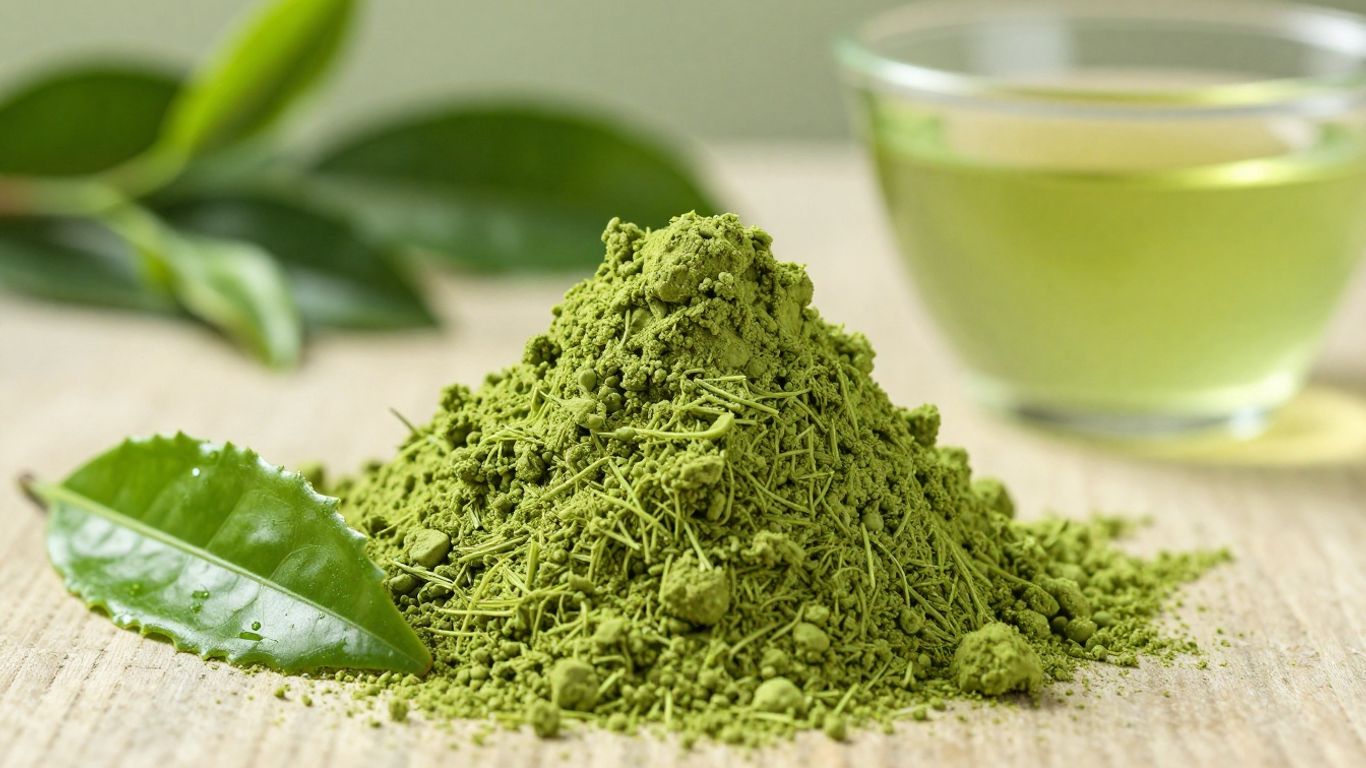
It's easy to get caught up in the headlines, but let's clear the air about matcha and iron. The short answer is: matcha itself does not cause iron deficiency in healthy individuals. However, like other teas containing tannins, it can temporarily affect how your body absorbs non-heme iron, which is the type found in plant-based foods. This is a common interaction with many plant compounds, not a unique problem with our authentic Japanese matcha from Uji and Yame.
Clarifying the Temporary Interference
Matcha is packed with beneficial compounds, including polyphenols like catechins and tannins. These tannins, also found in coffee and red wine, can bind to non-heme iron in your digestive tract. This binding process can make it a bit harder for your body to absorb that iron at that specific moment. Think of it as a temporary pause button on absorption, not a permanent block. The key takeaway here is that this effect is temporary and easily managed.
Matcha's Benefits Beyond Iron Absorption
While we're talking about iron, it's important not to overlook the incredible benefits matcha brings to your daily routine. It's a powerhouse of antioxidants, particularly EGCG, which is linked to numerous health advantages. Plus, the L-theanine in matcha provides a unique, calm focus and sustained energy without the jitters often associated with other caffeinated beverages. Focusing solely on the iron absorption aspect misses the bigger picture of what makes matcha so special.
The Importance of Moderation and Awareness
Enjoying matcha doesn't mean you have to compromise your iron levels. The interaction is most significant when matcha is consumed very close to iron-rich meals or supplements. For most people, simply being mindful of timing is enough. If you're concerned about your iron intake, especially if you follow a vegetarian or vegan diet, or have specific health conditions, it's always wise to consult with a healthcare professional. They can provide personalised advice based on your individual needs. Remember, moderation and smart consumption habits are key to enjoying all the goodness matcha has to offer, including its potential benefits for heart health.
Here’s a simple guide to help you enjoy your matcha without worry:
- Wait it out: Try to enjoy your matcha at least one hour before or after an iron-rich meal or iron supplement.
- Boost with Vitamin C: Pair your meals with foods high in Vitamin C (like citrus fruits or berries) to help improve non-heme iron absorption.
- Listen to your body: Pay attention to how you feel and adjust your routine as needed.
Maximizing Your Matcha Experience and Iron Intake
So, you love your daily matcha ritual, and you're also keen to keep your iron levels in check. That's totally understandable, and thankfully, it's quite achievable! As a local Australian importer of authentic Japanese matcha from Uji and Yame, we've seen firsthand how much joy a good cup of matcha brings. We want you to enjoy every sip without worry. The good news is that matcha doesn't block iron absorption; it just temporarily influences how much your body takes in, especially from plant-based sources. With a few simple tweaks, you can keep both your matcha enjoyment and your iron levels happy.
Simple Adjustments for Daily Rituals
Making small changes to when and how you drink your matcha can make a big difference. Think of it as a gentle dance between your tea and your body's needs.
- Timing is Key: Try to enjoy your matcha between meals rather than right alongside them. This gives your body a better chance to absorb iron from your food without interference.
- The Meal Gap: If you're having an iron-rich meal, it's best to wait at least an hour or two after eating before you have your matcha. This is particularly important if you rely on plant-based iron sources.
- Hydration Helper: Drink plenty of water throughout the day. Sometimes, simple hydration is overlooked but plays a role in overall nutrient absorption.
Exploring Alternative Teas with Lower Tannin Content
While our premium Japanese matcha is special, if you're particularly concerned about iron absorption or want variety, other teas might be worth exploring. Some teas naturally have lower levels of the compounds that can affect iron uptake.
- Herbal Infusions: Many herbal teas, like peppermint or chamomile, are generally considered to have a minimal impact on iron absorption.
- Rooibos Tea: This South African red tea is naturally caffeine-free and typically contains lower levels of tannins compared to traditional teas.
- Fruit Teas: While not technically 'tea' from the Camellia sinensis plant, fruit-based infusions can be a flavourful alternative.
Incorporating Iron-Rich Foods Wisely
Pairing your diet thoughtfully can help ensure you're getting enough iron, even with your matcha habit. Remember, the goal is balance, not elimination.
- Vitamin C Boost: Always try to include sources of Vitamin C with your meals, especially if they are plant-based. Think a squeeze of lemon in your water, a side of berries, or some capsicum in your salad. Vitamin C significantly aids the absorption of non-heme (plant-based) iron.
- Focus on Heme Iron: If you eat animal products, focus on sources of heme iron, like lean red meat, poultry, and fish. This type of iron is absorbed more readily by the body and is less affected by compounds in tea.
- Variety is Best: A diverse diet is the most effective way to meet all your nutritional needs. Don't rely on just one or two foods for your iron intake.
Making small, conscious choices about when you consume your matcha and what you pair it with can make a significant difference. It's all about mindful enjoyment and supporting your body's needs.
Want to get the most out of your matcha and boost your iron levels? Discover simple tips and tricks to enhance your matcha experience. Learn how to make every sip count for both enjoyment and health. Visit our website today to explore our premium matcha selection and find out more!
Wrapping It Up: Enjoying Matcha Mindfully
So, to sum things up, it seems like matcha isn't going to cause iron deficiency all on its own for most healthy folks. The main thing is just being mindful about when you drink it. Think of it like this: enjoy your vibrant matcha, with all its amazing antioxidants and that nice energy boost, but maybe give it a little space from your main meals or iron supplements. A simple gap of an hour or so can make a big difference. And hey, if you're really concerned, adding a splash of lemon or some berries to your day is a great way to help with iron absorption. We can totally enjoy our matcha lattes, smoothies, or traditional cups without too much worry, as long as we're a bit strategic about it. Cheers to that!
Frequently Asked Questions
Can drinking matcha tea mess with my body's iron?
Matcha has natural stuff called tannins that can sometimes make it harder for your body to soak up iron, especially the kind from plants. It's not a big deal for most people, but if you're worried about iron, it's good to know.
Does matcha cause iron deficiency?
No, matcha itself doesn't cause iron deficiency. It just might make it a little harder to absorb iron if you drink it right around the same time as an iron-rich meal or supplement. Think of it as a temporary hiccup, not a permanent problem.
How can I enjoy matcha without worrying about iron?
The easiest way is to drink your matcha between meals, not with them. Also, adding a squeeze of lemon or eating fruits high in Vitamin C with your meals can help your body absorb iron better, canceling out the effect of the tannins.
What's the difference between heme and non-heme iron?
Heme iron comes from animal foods like meat and fish, and your body absorbs it pretty easily. Non-heme iron comes from plants like spinach and beans, and it's a bit trickier for your body to absorb. Matcha's tannins mainly affect this non-heme iron.
Who should be extra careful about matcha and iron?
People who are already low in iron, pregnant women, or those following a strict vegetarian or vegan diet might want to be more mindful. They should definitely try to keep their matcha intake separate from their iron-rich meals or supplements.
Does matcha have any benefits that might help with iron absorption?
Interestingly, matcha is also a good source of Vitamin C, which actually helps your body absorb iron! So, while the tannins might slightly interfere, the Vitamin C in matcha could offer a bit of a counterbalance.

