

So, you're curious about matcha, huh? It's become super popular lately, and for good reason. People talk about it being healthy and giving you energy, but what's actually in it? Especially when it comes to carbs, which a lot of us are watching these days. Does matcha powder have carbs? That's the big question. Let's break down what you're really drinking when you have a cup of this vibrant green tea.
Key Takeaways
- Pure matcha powder has a very small amount of carbohydrates, typically less than 1 gram per serving (around 2 grams).
- Matcha is considered a low-carb option and can fit into diets like keto.
- The whole tea leaf is consumed in matcha, meaning you get more nutrients, including fiber, compared to regular steeped tea.
- Matcha contains caffeine and L-theanine, which work together to provide energy and focus without the jitters often associated with coffee.
- Preparation methods, like adding milk or sweeteners, can significantly increase the carbohydrate and calorie content of your matcha drink.
Understanding Matcha's Carbohydrate Content
Does Matcha Powder Have Carbs?
So, does matcha powder have carbs? The short answer is yes, but it's a very small amount. For anyone keeping an eye on their carbohydrate intake, whether you're following a low-carb lifestyle or just curious about what you're consuming, this is good news. Pure matcha powder, like the authentic varieties we import from Uji and Yame in Japan, is naturally very low in carbohydrates. It's not a significant source of carbs in a typical serving.
Carbohydrate Breakdown Per Serving
Let's break down what that actually looks like. When you prepare a standard serving of matcha – typically about 1 to 2 grams of powder mixed with water – you're looking at less than 1 gram of carbohydrates. Specifically, a 2-gram serving usually contains around 0.8 grams of carbohydrates. This is a minimal amount, especially when you consider the daily recommended intake for carbohydrates, which is much higher. This low carb count makes matcha a friendly addition to many dietary plans.
Matcha's Role in Low-Carb Diets
Given its low carbohydrate profile, matcha fits quite nicely into various low-carb eating patterns, including ketogenic diets. Because it contains so few carbs per serving, it's unlikely to disrupt ketosis or significantly impact your daily carb goals. This means you can enjoy your daily matcha ritual without much worry about exceeding your carb limits. It's a great way to add a nutrient-rich beverage to your routine without derailing your dietary efforts. Remember, though, that adding milk, sweeteners, or other ingredients can change the carbohydrate content, so stick to water or unsweetened alternatives for the lowest carb impact. If you're concerned about nutrient absorption, consuming matcha between meals can help minimise any potential interference with iron absorption from plant-based foods [e8cc].
| Serving Size (2g) | Carbohydrates |
|---|---|
| Matcha Powder | ~0.8g |
The Nutritional Profile of Pure Matcha
What is Matcha Powder Made From?
Matcha powder is essentially finely ground green tea leaves. Unlike regular green tea where the leaves are steeped and then discarded, with matcha, you consume the entire leaf. This is why it's so nutrient-dense. We source our authentic Japanese matcha directly from the renowned tea-growing regions of Uji and Yame, ensuring you get the purest form.
Key Macronutrients in Matcha
When we talk about the nutritional breakdown of pure matcha, it's helpful to look at the macronutrients. A typical serving (about 1 teaspoon or 2 grams) is quite low in calories and fat, but offers a surprising amount of fibre and protein. This makes it a great addition for those mindful of their intake.
Here's a general look at the macronutrients per 100g of matcha powder:
| Nutrient | Amount (g) |
|---|---|
| Carbohydrates | 38.5 |
| Dietary Fibre | 56.1 |
| Protein | 17.3 |
| Total Fat | 7.3 |
It's important to remember that a standard serving is much smaller, so these numbers are significantly reduced per cup. The high fibre content is a standout feature of matcha.
Micronutrients and Their Benefits
Beyond the main macronutrients, matcha is packed with vitamins and minerals. It's a good source of Vitamin K, Vitamin C, and various B vitamins. It also contains minerals like potassium and calcium. These micronutrients play a role in overall health and well-being.
Because you're consuming the whole leaf, matcha provides a concentrated dose of these beneficial compounds. This is a key difference compared to other teas where much of the goodness is left behind in the leaves.
When you prepare a cup of matcha, you're not just getting a beverage; you're getting a nutrient-rich experience. For those interested in the specifics, you can find detailed nutritional information on pure matcha products.
Matcha and Dietary Considerations
When you're thinking about adding matcha to your daily routine, especially here in Australia where we appreciate a good cuppa, it's natural to wonder how it fits into different eating plans. We've found that many of our customers, from busy professionals in Sydney to health-conscious individuals in Melbourne, are curious about matcha's place in diets like keto or low-carb lifestyles. As a local importer of authentic Japanese matcha from Uji and Yame, we've seen firsthand how versatile this vibrant powder can be.
Is Matcha Suitable for Keto?
For those following a ketogenic diet, the good news is that pure matcha powder is generally keto-friendly. When prepared simply with water, it contains very few carbohydrates and virtually no fat or sugar. This makes it a great option for staying within your daily carb limits. However, it's important to be mindful of what you add to your matcha. Traditional preparations like matcha lattes, often made with milk and sweeteners, can quickly increase the carbohydrate and calorie count, potentially taking you out of ketosis. Sticking to water or unsweetened plant-based milks is key if you're aiming for strict keto compliance. We always recommend checking the labels of any pre-made matcha mixes, as they can sometimes contain hidden sugars.
Impact on Daily Carb Intake
Let's break down the numbers for a standard serving. A typical 2-gram serving of pure matcha, mixed with just water, contains less than 1 gram of carbohydrates. This is a tiny amount, especially when compared to the daily recommended intake for most adults, which is typically around 100-150 grams. So, a daily cup of matcha won't significantly impact your carb goals. It's a fantastic way to enjoy a nutrient-rich beverage without derailing your dietary efforts. Remember, the way you prepare it makes all the difference. Adding honey, syrups, or even certain types of milk can add a substantial amount of carbs. For those keeping a close eye on their intake, pure matcha is a winner.
| Nutrient | Amount per 2g serving (with water) |
|---|---|
| Carbohydrates | < 1g |
| Dietary Fiber | ~0.8g |
| Sugars | Negligible |
Incorporating Matcha into Various Diets
Matcha's low-carb, low-calorie profile makes it adaptable to many dietary approaches. Whether you're aiming for a low-calorie diet, intermittent fasting, or simply trying to eat healthier, matcha can fit in. Its natural goodness means you're getting antioxidants and a gentle energy boost without the downsides of sugary drinks. For intermittent fasting, pure matcha with water is generally considered acceptable as it's unlikely to break a fast [cac7]. It's a way to add a bit of flavour and nutritional value to your day without adding significant calories or carbs. We love seeing how our customers get creative with their matcha, from simple morning rituals to adding a touch to smoothies for an extra boost. It's all about mindful preparation and understanding what goes into your cup.
Exploring Matcha's Nutrient Density
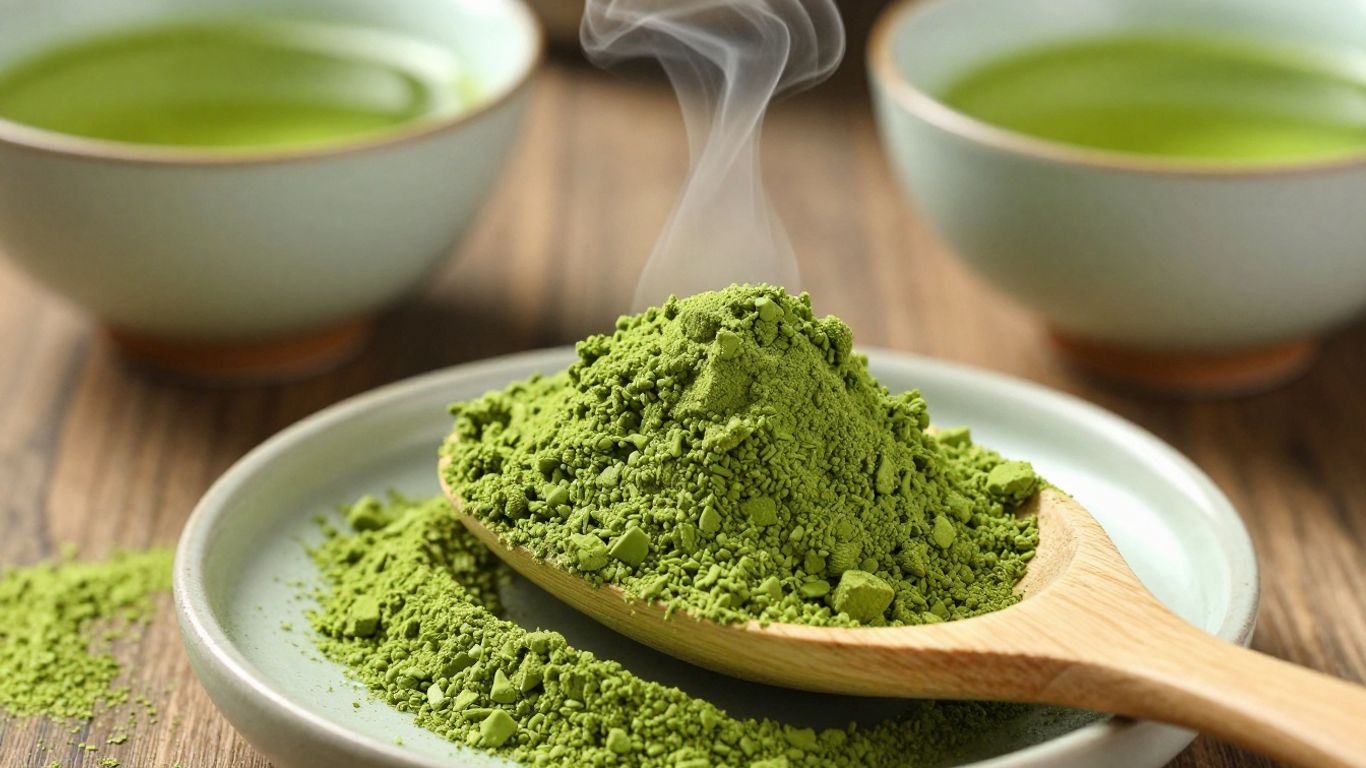
Matcha powder, especially the high-quality varieties we import directly from Uji and Yame in Japan, is a powerhouse of nutrients. Because you consume the whole leaf, you're getting a concentrated dose of everything green tea has to offer. It's not just about the caffeine kick; it's about the rich tapestry of vitamins, minerals, and other beneficial compounds that make matcha so special.
Calories and Fat Content
When we talk about calories and fat in matcha, the numbers are quite low, especially when you consider a typical serving size. A standard 2-gram serving of pure matcha powder contains very little fat and contributes only a handful of calories to your day. This makes it a fantastic option for those mindful of their energy intake.
| Nutrient | Per 2g Serving (approx.) |
|---|---|
| Calories | ~5 kcal |
| Total Fat | ~0.1 g |
Protein and Fiber Contributions
Matcha is surprisingly a decent source of plant-based protein and dietary fiber. The whole leaf is ground into a fine powder, meaning you ingest the fibre that would normally be steeped out of regular green tea. This fibre content is quite significant, contributing to that feeling of fullness and supporting digestive health.
- Protein: Around 0.3-0.4g per 2g serving.
- Dietary Fiber: Approximately 0.8g per 2g serving.
The fibre in matcha is particularly noteworthy. It's not just a filler; it plays a role in how your body processes nutrients and can contribute to a feeling of satisfaction after consumption. This is a key differentiator from many other beverages.
Vitamins and Minerals Overview
Matcha is packed with a variety of vitamins and minerals. While you won't get your entire daily requirement from a single cup, it contributes meaningfully to your intake. It's a great way to supplement your diet with micronutrients that are important for overall well-being. For instance, a serving can provide a good portion of your daily Vitamin A needs, and it also contains notable amounts of Vitamin K, Vitamin C, and various B vitamins. Minerals like potassium, calcium, and magnesium are also present, adding to its nutritional density. When you choose authentic matcha, like the pure matcha powder we source, you're getting a concentrated dose of these beneficial compounds.
Preparation and Nutrient Retention
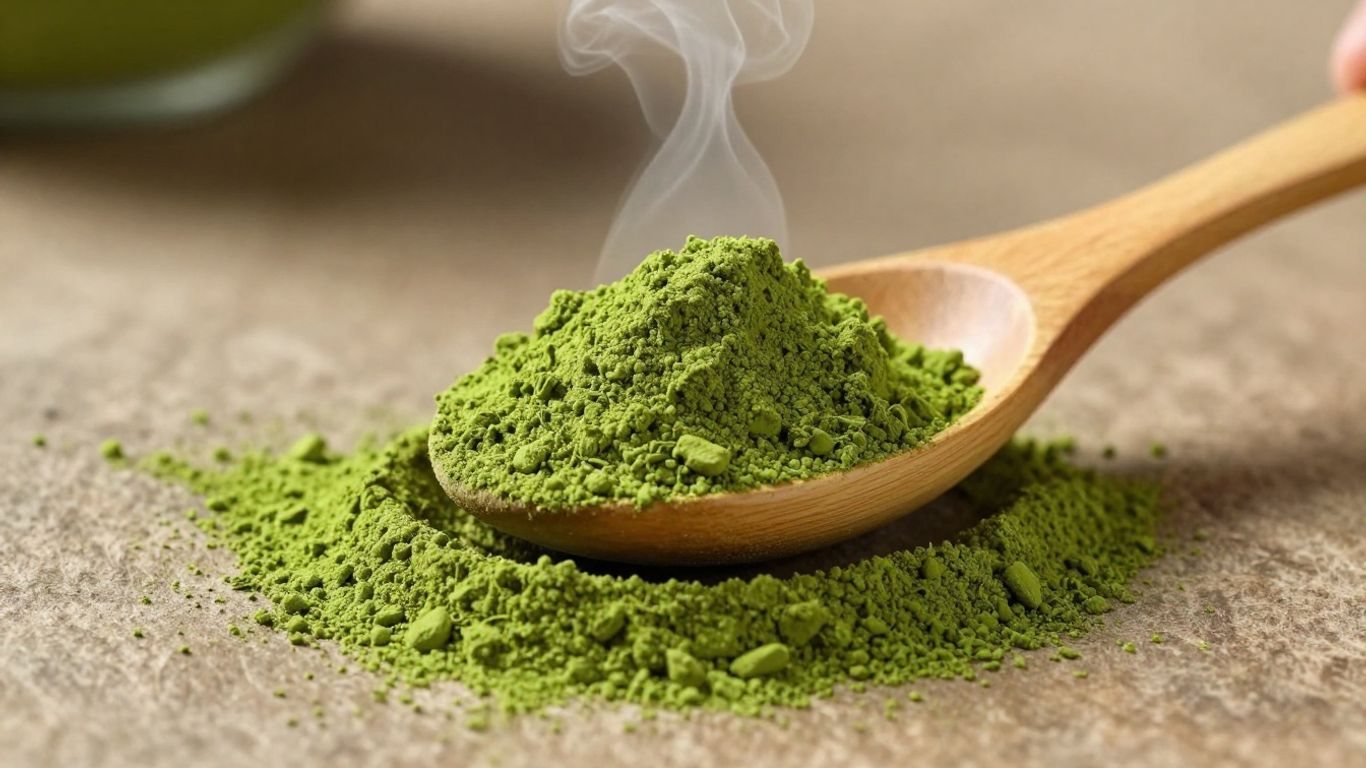
How you prepare and store your matcha can make a real difference in what you get out of it. It's not just about the powder itself; the way it's handled matters a lot. As a local Australian importer of authentic Japanese matcha from Uji and Yame, we've seen firsthand how crucial these steps are for preserving that vibrant flavour and all those good nutrients.
How Preparation Affects Nutrition
When it comes to making your matcha, temperature is key. Using water that's too hot can actually damage some of the delicate compounds in the tea, making it taste bitter and reducing its beneficial properties. We recommend using water around 70-80°C (160-175°F). This gentle heat helps to release the matcha's flavour and nutrients without scorching the leaves. Think of it like coaxing the best out of the tea, rather than forcing it.
Adding milk or other liquids to your matcha won't necessarily harm its nutritional profile. While it might change the calorie and fat content, the antioxidants and other good stuff generally remain intact. It's more about personal preference and how you want to enjoy your brew.
Best Practices for Storing Matcha
Proper storage is vital for keeping your matcha fresh and potent. Once you open a tin, exposure to air, light, and heat can start to degrade the powder. Oxidation is the enemy here, gradually reducing the quality over time. To combat this, always store your matcha in an airtight container. Keeping it away from direct sunlight and heat sources, like your stove or a sunny windowsill, is also important. Many people opt for the refrigerator, which can be a good option if the container is truly airtight, but be mindful of moisture when taking it out.
Ideally, properly stored matcha can last for about 6 to 12 months. However, for the best flavour and nutrient profile, we suggest aiming to consume it within 2 to 3 months of opening the package. Sealing the container tightly after each use is a simple habit that goes a long way in preserving freshness.
Optimal Serving Sizes for Benefits
Figuring out how much matcha to use can seem a bit tricky, but it's pretty straightforward. For a traditional bowl of matcha, a good starting point is about 1 to 2 grams of powder, which is roughly half to one teaspoon. If you're making a matcha latte, you might want a bit more, perhaps 2 to 3 grams, to get a stronger flavour that stands up to milk.
It's worth remembering that doubling the amount of matcha powder you use will also double the nutrients, caffeine, and calories. While this can intensify the benefits, it's also important to be aware of your caffeine intake. For most people, sticking to 1 to 3 cups a day is a great way to enjoy the benefits without overdoing it. Too much can sometimes lead to jitters or digestive discomfort, so finding your sweet spot is key.
The whole-leaf nature of matcha means you're consuming the entire tea leaf, ground into a fine powder. This is quite different from regular steeped teas where you only consume the water that has infused with the leaves. This means you get a more concentrated dose of everything matcha has to offer, from antioxidants to fibre. It's a really efficient way to get your green tea goodness.
For those looking to explore the unique qualities of authentic Japanese matcha, we're proud to be a local Australian importer of some of the finest teas from Uji and Yame. We believe that understanding how to prepare and store your matcha is just as important as the quality of the powder itself.
Matcha's Unique Energy-Boosting Properties
Matcha offers a distinct kind of energy, and it's all thanks to a special combination of compounds found within the finely ground tea leaves. It’s not just about a quick jolt; it’s about sustained alertness and a sense of calm focus that many find incredibly beneficial for their day. As a local Australian importer of authentic Japanese matcha from Uji and Yame, we've seen firsthand how this unique profile appeals to tea lovers and businesses alike.
Caffeine and L-Theanine Synergy
The magic behind matcha's energy boost lies in the interplay between caffeine and an amino acid called L-theanine. Caffeine, as we know, is a stimulant that increases alertness. However, in matcha, it's balanced by L-theanine, which is known for its calming and relaxing effects. This partnership means you get the wakefulness without the jitters or the dreaded post-caffeine crash. It's a gentler, more controlled lift that helps you stay productive and present.
Comparing Matcha's Energy to Coffee
When people talk about energy drinks or coffee, they often describe a rapid spike followed by a slump. Matcha, on the other hand, provides a smoother, more sustained experience. While a typical cup of coffee might pack around 95-120 mg of caffeine, a serving of matcha usually contains about 60-70 mg. But it's the L-theanine that really sets it apart. This amino acid helps to modulate the effects of caffeine, leading to a state of 'calm focus'.
| Drink | Caffeine per Cup | Key Compounds | Energy Feel |
|---|---|---|---|
| Matcha | ~60–70 mg | Caffeine + L-theanine | Calm, steady focus |
| Coffee | ~95–120 mg | Caffeine only | Fast energy, possible crash |
Achieving 'Calm Focus' with Matcha
This unique combination of caffeine and L-theanine is what many describe as 'calm focus'. It's that feeling of being alert and ready to tackle tasks without feeling overstimulated or anxious. For those looking to improve concentration for work, study, or creative pursuits, matcha can be a fantastic addition. It supports mental clarity and a relaxed state, making it ideal for mindful moments or productive work sessions. If you're interested in exploring high-quality matcha for your business or personal enjoyment, consider our range of authentic Japanese matcha.
The whole leaf powder form of matcha means you consume all the beneficial compounds, unlike steeped teas where only water-soluble nutrients are extracted. This contributes to its potent effects and nutrient density.
Matcha gives you a special kind of energy that lasts. Unlike coffee, it doesn't make you feel jittery or cause a sudden crash. This is because matcha contains a unique mix of things that work together to give you a calm, focused boost. It's like a gentle wake-up call for your brain and body, helping you stay sharp and productive without the usual downsides. Want to learn more about how matcha can power your day? Visit our website to discover the difference!
Wrapping Up Our Matcha Chat
So, we've gone through the details, and it's pretty clear that matcha powder is a pretty low-carb option. When you're just having a standard cup with water, the carb count is super minimal, which is great news for anyone watching their intake, including those on keto. It's not just about the carbs, though; matcha brings a whole bunch of other good stuff to the table, like antioxidants and a bit of fiber. Just remember, how you prepare it can change things – adding milk or sweeteners will bump up those numbers. We hope this breakdown helps you feel more confident about including matcha in your routine. Keep experimenting and enjoying this vibrant green powder!
Frequently Asked Questions
Does matcha powder actually have carbohydrates?
Yes, matcha powder does contain a small amount of carbohydrates. But don't worry, it's very little! A typical serving of matcha has less than half a gram of carbs. This makes it a great choice if you're watching your carb intake.
Can I drink matcha if I'm following a keto diet?
Absolutely! Because matcha has such a tiny amount of carbs, it fits perfectly into a ketogenic diet. You can enjoy your matcha latte or tea without throwing your diet off track.
How many calories are in a cup of matcha?
When you prepare matcha with just water, it's super low in calories, usually around 5 calories per cup. If you add milk or sweeteners, the calorie count will go up, so keep that in mind!
Is it okay to drink matcha every day?
For most people, drinking one or two cups of matcha daily is perfectly fine and safe. It provides a nice energy boost without the harshness some other drinks can cause. Just be mindful of your total caffeine intake for the day.
What makes matcha's energy different from coffee's?
Matcha has a special combo of caffeine and an amino acid called L-theanine. While caffeine wakes you up, L-theanine helps you feel calm and focused. This means you get steady energy without the jitters or the sudden crash you might get from coffee.
How should I store matcha to keep it fresh?
To keep your matcha tasting great and its nutrients strong, store it in an airtight container. Keep it away from light, heat, and moisture. Once opened, it's best to use it within a few months for the best flavor and quality.

