

Here are the main things to remember when thinking about Dunkin's matcha lattes and how they stack up against the real deal.
Key Takeaways
- Dunkin' Donuts does use matcha powder in their lattes, but it's a sweetened version.
- The flavor is often described as more of a matcha-flavored milk due to the added sugar and lower-grade powder.
- Dunkin's matcha lattes contain a significant amount of added sugar, which can impact health benefits.
- Authentic matcha, especially ceremonial grade, offers a more intense flavor and higher nutrient content.
- Making matcha lattes at home allows for control over ingredients, sugar levels, and matcha quality.
Understanding Dunkin's Matcha Offering
What Is Matcha?
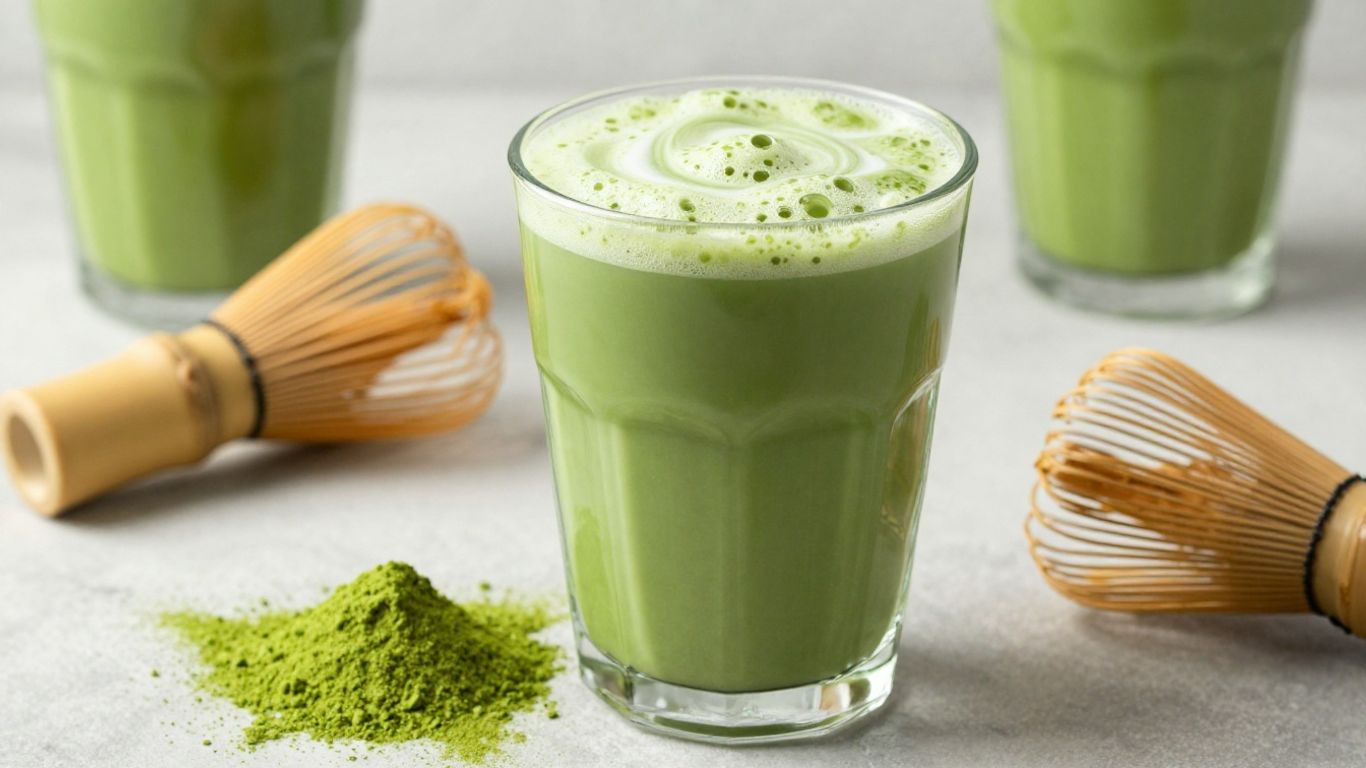
Matcha is a finely ground powder made from specially grown and processed green tea leaves. Unlike regular green tea where leaves are steeped and discarded, with matcha, you consume the entire leaf. This means you get a more concentrated dose of the tea's natural compounds. Traditionally, it's whisked with hot water, creating a vibrant green beverage with a unique, slightly bitter, and vegetal flavour profile. For those in Australia looking for the real deal, we source our authentic Japanese matcha directly from the renowned tea-growing regions of Uji and Yame, ensuring unparalleled quality and flavour.
Dunkin's Approach to Matcha Lattes
Dunkin' introduced matcha to their menu in 2020, aiming to tap into the growing popularity of this green tea. Their approach focuses on accessibility and convenience, offering a matcha latte as a readily available option for their customers. They've adapted the traditional matcha preparation to fit a fast-paced, on-the-go consumer base. This often means pre-mixing ingredients for speed and consistency across their many locations. You might see variations like their Almond Iced Protein Matcha Latte, which shows an effort to create different flavour profiles.
The Sweetened Matcha Powder
One of the key aspects of Dunkin's matcha latte is the use of a pre-sweetened matcha powder. This powder is a blend that already contains sweeteners, which significantly impacts the final taste and nutritional content of the drink. While this makes preparation quicker and ensures a consistent level of sweetness, it also means the matcha flavour itself can be masked. For comparison, many cafes and home brewers opt for unsweetened matcha powder, allowing them to control the sweetness and highlight the natural matcha taste. This is a big difference from the pure matcha we import, which is unsweetened and lets the true character of the tea shine through.
Does Dunkin Donuts Use Real Matcha?
Examining Dunkin's Matcha Ingredients
Many are surprised to learn that Dunkin's matcha lattes are made with a green tea powder that is, technically speaking, a matcha blend. Yes, Dunkin’ does use real green tea powder in their matcha lattes, but it is a sweetened pre-mixed powder – not pure, ceremonial-grade matcha from Japan. The powder itself is mostly cane sugar blended with green tea powder, which gives you that bright green color and the green tea flavor, but not the traditional, earthy matcha experience we'd expect from Japanese high-quality matcha, such as Uji or Yame varieties.
If you check the ingredient lists for Dunkin’s matcha drinks, you’ll typically find the following:
- Cane sugar
- Matcha green tea powder (origin not specified)
- Occasionally, stabilizers or anti-caking agents
That means for anyone looking for true authenticity or the health benefits known from premium matcha, Dunkin’s option may fall short. For the specifics of what goes into some of their other beverage mixes, the detailed ingredient list reveals this exact approach – sweeteners feature prominently.
The Role of Sweeteners in Dunkin's Matcha
The most noticeable characteristic in Dunkin’s matcha latte is the sweetness. In fact, the balance leans heavily toward sugar. This is a marked difference from traditional matcha preparations in Japan, where the flavor profile leans umami, grassy, and only mildly sweet (if at all). Here’s what this means for your cup:
- Cane sugar is the first and most abundant ingredient in their matcha blend.
- The drink delivers a consistently sweet, milky flavor—almost like a green tea milkshake.
- If you’re new to matcha, this might be enjoyable. Regular Japanese matcha fans, though, may find the sweetness too overpowering.
Comparing Dunkin's Matcha to Authentic Matcha
Authentic matcha, especially from respected regions like Uji or Yame in Japan, is stone-ground directly from shade-grown tea leaves and has a naturally vibrant taste—grassy, slightly bitter, and layered with umami. Dunkin's matcha latte, with added sugar and a blend of "matcha-style" powder, doesn’t deliver that same profile.
The distinctions are clear:
| Feature | Dunkin's Matcha Latte | Authentic Japanese Matcha |
|---|---|---|
| Sweeteners Added | Yes (Cane Sugar) | No (unless prepared sweetened) |
| Green Tea Origin | Not listed | Uji, Yame, or specified region |
| Processing | Blended, pre-sweetened | Stone-ground, pure leaf |
| Color & Texture | Bright, milky, sweet | Deep green, creamy, umami |
- Dunkin’s version is geared for convenience and easy drinking, especially for those just starting with matcha.
- Regular matcha drinkers will spot the difference—flavor, color, and overall vibe.
- If your tea shop or café values authenticity, partnering with an importer who sources directly from Japan, like us, can help you offer a bolder, truer matcha experience.
Real matcha from regions like Uji or Yame simply has more depth—if you taste them side by side, you understand why so many Australians are making the switch from chain store matcha to the real deal.
For anyone after the classic matcha intensity, it's worth trying a pure powder instead of a sweetened mix.
Nutritional Insights and Health Considerations
Sugar Content in Dunkin's Matcha Latte
When we look at Dunkin's matcha latte, the first thing that often stands out is the sugar. A medium (16 oz) with whole milk clocks in around 28 grams of sugar. For context, that's quite a bit, often exceeding the daily recommended intake for added sugars for many people. It's a convenient way to get your matcha fix, sure, but it's worth being aware of what you're actually consuming.
Health Implications of Added Sugars
Consuming too much added sugar regularly can have a few downsides. It can contribute to weight gain and might increase the risk of certain health issues down the line. While matcha itself has some great benefits, like antioxidants, a lot of added sugar can kind of cancel out some of those positives. It's a bit like putting premium fuel in a car but then adding a bunch of gunk to it – you're not getting the best performance.
Comparing Dunkin's Matcha to Authentic Matcha
This is where things get interesting, especially for us here in Australia who appreciate a good, pure matcha. When you compare Dunkin's latte to a traditional matcha made with high-quality, ceremonial grade matcha powder – like the kind we import directly from Uji and Yame in Japan – the difference is stark. A homemade latte, using just our matcha, hot water, and perhaps a splash of your preferred milk, can be virtually sugar-free. This allows you to truly experience the natural, subtle sweetness and the full spectrum of health benefits that pure matcha provides. We've found that many of our customers are surprised by the vibrant flavour and the clean energy boost when they switch from sweetened versions.
| Drink Type | Approx. Sugar (g) | Notes |
|---|---|---|
| Dunkin's Medium Matcha Latte | 28 | Pre-sweetened powder, milk added |
| Homemade Matcha Latte | 0-5 | Depends on milk and sweetener choice |
| Authentic Matcha Powder | <1 | Naturally occurring sugars, no additives |
Making your own matcha latte at home gives you complete control over the ingredients. This means you can significantly cut down on sugar and focus on the pure, beneficial aspects of the tea itself. It's a simple change that makes a big difference to your daily intake and overall well-being.
For those looking to explore the pure taste and benefits of matcha, we recommend trying authentic Japanese matcha. It's a world away from the sweetened versions often found in large chains, offering a cleaner, more vibrant experience that truly showcases the quality of the tea.
Exploring the Taste and Texture
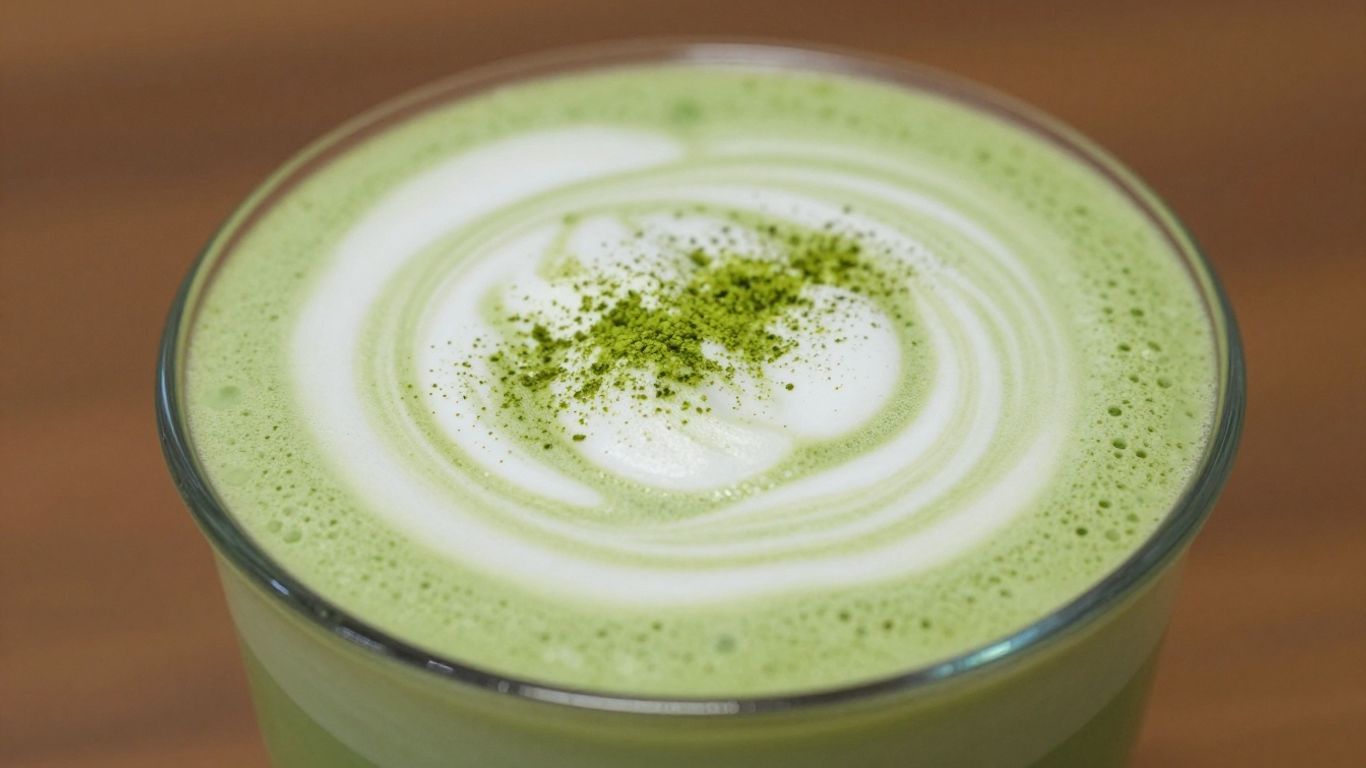
When we talk about matcha, especially for those of us who appreciate the finer points of a good brew, the taste and texture are everything. It’s what separates a truly satisfying cup from something that just misses the mark. So, how does Dunkin's matcha latte stack up?
Consumer Experiences with Dunkin's Matcha
Many folks find Dunkin's take on the matcha latte to be on the sweeter side. Some reviews mention a flavor profile that leans heavily into sweetness, sometimes even masking the delicate, grassy notes that true matcha lovers seek. It’s a common observation that the drink can be quite sweet, which might be appealing to some, but for those accustomed to a more traditional matcha experience, it can be a bit of a surprise. One reviewer even noted a resemblance to a banana candy, which certainly isn't what you'd expect from high-quality Japanese matcha. We've found that the best matcha, like the ceremonial grade we import from Uji and Yame, offers a complex flavour that isn't overwhelmed by sugar.
The Matcha-Flavored Milk Perception
It's not uncommon for chain lattes to have a distinct texture and taste. Dunkin's matcha latte is often described as creamy, but sometimes a bit thinner than expected. The flavour, while present, can sometimes feel more like a 'matcha-flavoured' drink rather than a pure matcha experience. This often comes down to the preparation and the ingredients used. For instance, the addition of syrups and sweeteners can significantly alter the final product. If you're looking for that authentic, smooth, and slightly vegetal taste, you might find that commercial preparations can sometimes fall short. It’s a different ballgame compared to the vibrant, rich texture you get from freshly whisked, high-grade matcha powder.
A Gateway to Matcha?
Despite the differences, could Dunkin's matcha latte serve as an introduction for newcomers? It's possible. The sweetness and familiar latte format might make it an approachable entry point for those curious about matcha but hesitant about its more traditional, sometimes bitter, flavour profile. It’s a bit like trying a sweetened iced tea before diving into a complex oolong. However, for those who want to truly understand what authentic matcha is all about, we highly recommend exploring premium Japanese matcha. It offers a depth of flavour and a sensory experience that’s hard to replicate. Trying different preparations can help you discover what you enjoy most, and perhaps lead you to appreciate the nuanced world of real matcha.
The Bigger Picture: Chain vs. Homemade Matcha
When you're craving a matcha latte, the convenience of grabbing one from a chain like Dunkin' is undeniable. But if you're a true tea enthusiast, or even just curious about what you're actually drinking, it's worth looking at the bigger picture. We've seen how Dunkin's approach to matcha involves a sweetened powder, which is a far cry from the pure, vibrant green tea powder we import directly from Uji and Yame in Japan. This difference really matters when we talk about quality, flavour, and health.
Why Homemade Matcha Offers More
Making your own matcha latte at home isn't just about saving a few dollars, though that's a nice bonus. It's about control. You get to choose the quality of the matcha powder, the type of milk, and crucially, how much sweetener, if any, you add. This means you can truly taste the matcha itself. When you're using a high-grade matcha, like the ceremonial grades we source, you're getting a complex flavour profile – think umami, a hint of sweetness, and a smooth finish – that's often masked in commercial drinks. Plus, you're getting all the natural goodness of the tea leaf without unnecessary additives.
The Benefits of High-Quality Matcha
Using authentic, high-quality matcha powder brings a whole host of benefits that you just don't get from pre-sweetened mixes. For starters, the flavour is worlds apart. You'll experience a richer, more nuanced taste that's both invigorating and calming, thanks to the L-theanine naturally present in the tea. This compound is what gives matcha its unique ability to provide sustained energy without the jitters or the crash often associated with coffee. It's also packed with antioxidants, which are great for overall well-being. If you're looking to explore the best matcha powders available, checking out top-rated matcha options can be a good starting point.
Cost-Effectiveness of DIY Matcha
Let's talk numbers for a moment. Grabbing a matcha latte from a cafe, even a quick stop at Dunkin', adds up. When you compare the cost of a single store-bought latte to the price of a tin of quality matcha powder, the DIY route is significantly more economical in the long run. A tin of our premium matcha can make dozens of lattes, and when you factor in the cost of milk and any optional sweetener, you're still looking at a much lower price per serving. It's a win for your wallet and a win for your taste buds. Plus, you can use that same high-quality powder for other recipes, like smoothies or even baking, making it a versatile addition to your kitchen.
Making matcha at home allows you to appreciate the true essence of this incredible tea. It's an opportunity to connect with the ritual of tea preparation and to savour a drink that's as beneficial as it is delicious. For those of us who appreciate the finer details of tea, this control over ingredients is paramount.
When you're ready to explore the world of authentic Japanese matcha, remember that sourcing matters. We pride ourselves on bringing the best from Japan directly to you, ensuring you get a pure, vibrant, and flavourful experience every time. It’s about more than just a drink; it’s about enjoying the genuine article. If you're interested in how matcha can fit into a healthy lifestyle, you might find information on matcha's role in wellness quite insightful.
When you're thinking about making matcha, you might wonder if buying it from a store is the same as making it yourself. While both can be tasty, there's a big difference in quality and freshness. Store-bought matcha often sits on shelves for a long time, losing its vibrant color and flavor. For the best, freshest matcha experience, check out our selection at Matcha Warehouse. We bring you pure matcha straight from Japan, so you can taste the real difference. Visit our website today to explore our premium matcha options!
Conclusion
So, does Dunkin Donuts use real matcha? Yes, they do use matcha powder in their lattes. However, it's important to know that Dunkin's matcha powder comes pre-sweetened and isn't the high-grade ceremonial matcha you might find elsewhere. This means you're getting a different flavor profile and nutritional value compared to authentic, unsweetened matcha. If you're looking for the pure, earthy taste and full health benefits of matcha, making it at home with high-quality powder is likely your best bet. But if you enjoy the sweet, mild flavor of Dunkin's version and find it a good way to ease into matcha, then it's a perfectly fine option for a convenient treat.
Frequently Asked Questions
Does Dunkin's matcha latte actually have matcha in it?
Yes, Dunkin' uses matcha powder in their lattes. It's not just green food coloring! However, it's a specific type of matcha powder that's already sweetened.
Is Dunkin's matcha the same as real matcha?
Not exactly. While it contains matcha, Dunkin' uses a sweetened powder. Real, high-quality matcha is usually unsweetened and has a more intense, earthy flavor. Dunkin's version is often milder and sweeter.
Why does Dunkin' matcha taste so sweet?
That's because they use a pre-sweetened matcha powder. Sugar is added to the powder before it even gets to the store, so the drink is sweet right from the start.
Is Dunkin' matcha healthy?
It can be a treat, but it's not the healthiest option. The amount of added sugar in their matcha latte is pretty high, which can cancel out some of the good stuff matcha is known for. It's better to have it occasionally.
Can I get a Dunkin' matcha latte without sugar?
Unfortunately, no. Dunkin' uses a sweetened matcha powder, so you can't get it completely sugar-free. You can ask for less syrup if you add other things, but the matcha powder itself is already sweetened.
What's the difference between Dunkin's matcha and making it at home?
When you make it at home, you control everything. You can pick high-quality, unsweetened matcha powder, use your preferred milk, and decide exactly how much sweetener, if any, you want. This usually means a purer matcha taste and fewer added sugars.

