

Curious about the delicious matcha at Community Goods? We've dug into what makes their drinks so special and how you can enjoy a similar taste at home. Here are the main things to remember:
Key Takeaways
- Community Goods likely uses Naoki ceremonial grade matcha for its signature drinks, known for its vibrant color and smooth, umami flavor.
- Ceremonial grade matcha is the highest quality, perfect for traditional preparation and creamy lattes without bitterness.
- Making your own matcha latte at home is cost-effective and allows you to control ingredients and taste.
- Proper preparation, including sifting the matcha and whisking it well with hot water, is key to a smooth, clump-free drink.
- Storing your matcha powder correctly in an airtight container in the fridge helps keep it fresh and flavorful.
Unveiling the Community Goods Matcha Secret
It's no secret that Community Goods has become a bit of a sensation, especially for their matcha. People rave about it, and honestly, the lines can be pretty wild. But what's the real deal behind that vibrant green goodness? We've been asked this a lot, and as folks who are pretty serious about authentic Japanese matcha, particularly the kind we import from Uji and Yame right here in Australia, we've done our homework.
The Allure of Community Goods' Signature Matcha
There's a certain magic to the matcha at Community Goods that has people hooked. It's more than just a drink; it's an experience. Many describe it as having a smooth, rich flavour profile that's both satisfying and energising, without any of that unpleasant bitterness you can sometimes get. This is likely why so many are keen to recreate it at home, and why you might see people talking about their 'Rocky's Matcha' or similar signature blends. It’s this distinctive taste that makes it stand out in a crowded cafe scene.
Decoding the Crave: What Makes Their Matcha Stand Out?
So, what's the secret sauce? While cafes often keep their exact recipes under wraps, the quality of the matcha powder itself is paramount. For a truly exceptional matcha latte, the powder needs to be of a high grade, often referred to as ceremonial grade. This means it's made from the youngest tea leaves, finely ground using traditional stone mills. This process preserves the vibrant colour and delicate flavour, which is key to that smooth, umami-rich taste.
The quality of the matcha powder is the most significant factor in achieving that sought-after cafe-style latte. It's not just about the brand, but the grade and how it's processed.
We've found that using premium matcha, like the ceremonial grade we source, makes a world of difference. It’s this attention to detail in the powder that allows for that beautiful, creamy texture and deep flavour without any harsh notes. It’s this level of quality that truly sets a matcha apart.
Community Goods Matcha: A Taste of Authenticity
When you taste a truly authentic matcha, you notice it. It has a depth and complexity that's hard to replicate with lower-grade powders. The vibrant green colour is a visual cue to its freshness and nutrient density. For those of us who appreciate the nuances of a good cup of tea, this authenticity is what we're really after. It’s about enjoying a drink that’s both delicious and made with care, reflecting the rich traditions of Japanese tea culture. If you're looking to explore different types of matcha, you might find our selection of premium matcha interesting.
Exploring the Premium Matcha Powder Used
The Whispers of Naoki Matcha
It's no secret that the quality of your matcha powder makes a huge difference in the final drink. For those of us in Australia who appreciate a truly authentic taste, finding the right matcha can feel like a quest. Many high-end cafes, and we've heard whispers that Community Goods is among them, often turn to a specific brand to achieve that signature smooth, vibrant flavour. That brand? Naoki matcha. It's not just a rumour; it's a name that comes up when people are searching for that cafe-quality experience at home. We've seen it mentioned by others who are trying to recreate that perfect latte, and for good reason.
Ceremonial Grade: The Key to Umami and Color
When we talk about premium matcha, we're almost always talking about ceremonial grade. This isn't your average green tea powder. Ceremonial grade matcha is made from the youngest tea leaves, carefully selected and stone-ground into an incredibly fine powder. This meticulous process is what gives it that brilliant, almost electric green colour and that rich, complex flavour profile – that delightful umami we all love. It’s the difference between a good matcha and a truly exceptional one. For those looking to source authentic Japanese matcha, like the kind we import from Uji and Yame, ceremonial grade is the standard.
| Grade | Colour | Flavour Profile | Best For |
|---|---|---|---|
| Ceremonial Grade | Vivid Green | Smooth, Umami, Sweet | Direct consumption, Lattes, Frothy Drinks |
| Culinary Grade | Dull Green/Yellow | Bitter, Astringent | Baking, Smoothies, Cooking |
Why Naoki Elevates the Matcha Experience
So, why does Naoki, specifically, get so much attention? It comes down to consistency and quality. Their ceremonial grade matcha is known for its lack of bitterness, which is a common pitfall with lower-quality powders. Instead, you get a smooth, almost creamy texture and a deep, satisfying flavour that lingers pleasantly. This makes it perfect for those who want to enjoy matcha straight, as is traditional, or for creating those beautiful, frothy lattes that have become so popular. If you're aiming for that Community Goods taste, using a high-quality ceremonial grade like Naoki is a solid step towards achieving it. It’s about bringing that cafe-quality matcha into your own kitchen.
Mastering the Matcha Latte at Home
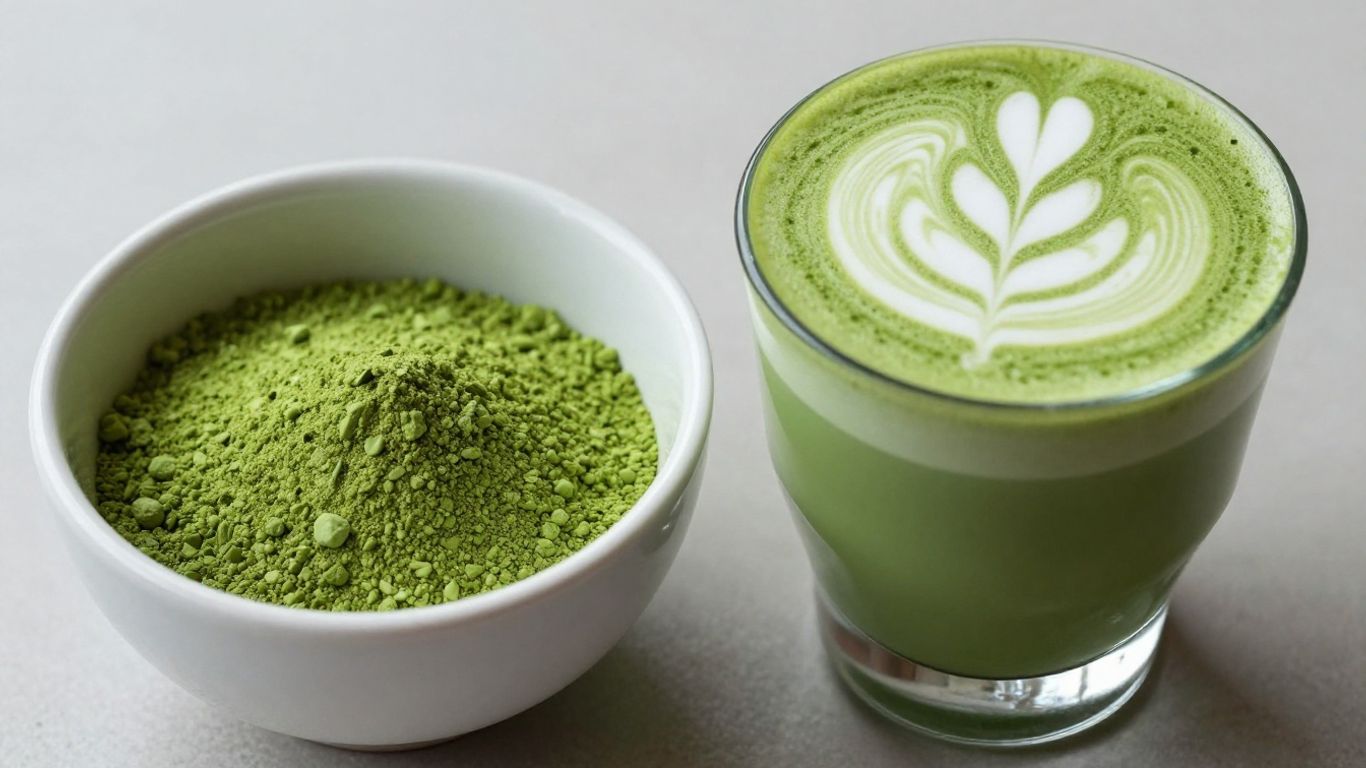
Recreating the Community Goods Matcha Latte
So, you've had that perfect matcha latte from Community Goods and now you're wondering how to get that same magic happening in your own kitchen. It's totally doable! We've found that the secret isn't just in the powder, but in the technique. Think of it like this: you can have the finest Japanese matcha, like the ceremonial grade we import from Uji and Yame, but if you don't treat it right, it won't sing. The goal is to get that smooth, vibrant, and slightly sweet flavour without any bitterness. It’s all about balance and a bit of gentle whisking.
Essential Ingredients for Your Perfect Cup
To really nail that cafe-quality matcha latte, you'll want to gather a few key things. It’s not complicated, but the quality of your ingredients makes a big difference. We’re talking about getting that authentic taste that makes you want to sip it slowly.
- High-Quality Matcha Powder: This is non-negotiable. For that signature Community Goods taste, look for ceremonial grade. It’s brighter green, has a smoother flavour, and is less bitter. We're pretty proud of the ceremonial grade matcha we source.
- Water: Not just any water. You want it hot, but not boiling. Around 70-80°C (160-175°F) is ideal. Boiling water can scorch the delicate matcha leaves, making it taste bitter.
- Milk: Your favourite kind works! Dairy, oat, almond, soy – whatever you prefer. For a richer latte, a creamy oat milk or whole dairy milk is fantastic.
- Sweetener (Optional): A touch of honey, agave, or simple syrup can round out the flavour, especially if your matcha has a stronger profile. Start with a little and add more if needed.
Step-by-Step Guide to a Cafe-Quality Latte
Getting the texture and flavour just right takes a little practice, but once you get it, you’ll be making these all the time. It’s a lovely ritual, especially on a cooler morning.
- Sift Your Matcha: This is probably the most important step for a smooth latte. Sift about 1-2 teaspoons of matcha powder into a bowl or your mug. This breaks up any clumps and makes whisking much easier.
- Add Hot Water: Pour about 2 ounces (60ml) of your hot, but not boiling, water over the sifted matcha. This is just enough water to create a paste.
- Whisk It Up: Using a bamboo whisk (chasen) or a small electric frother, whisk the matcha and water vigorously. Aim for a 'W' or 'M' motion. You want to dissolve all the powder and create a nice, frothy layer on top. This is where the magic starts to happen for that smooth texture.
- Prepare Your Milk: While you're whisking, gently heat your milk. If you like it frothy, you can use a milk frother or even shake it vigorously in a sealed jar. Don't let it boil!
- Combine: Pour your warmed milk over the matcha mixture in your mug. If you’re adding sweetener, stir it in now. Give it a gentle stir to combine everything.
The key to a truly great matcha latte is patience and attention to detail. Don't rush the whisking process, and always use good quality water. It makes all the difference in the final taste and texture.
The Art of Matcha Preparation
The Importance of Sifting Your Matcha
Getting your matcha just right starts before you even add water. Think of sifting as the first step to a truly smooth, enjoyable cup. It breaks up any tiny clumps that might have formed in the powder, which can happen during shipping or even just from humidity. Without sifting, you're likely to end up with a gritty texture, and nobody wants that in their precious matcha.
For us, as importers of authentic Japanese matcha from Uji and Yame, we see firsthand how much care goes into the powder. Sifting honours that care. It’s a simple step, but it makes a world of difference in the final drink. It helps the powder dissolve evenly, giving you that beautiful, consistent colour and flavour.
Whisking Techniques for a Smooth Texture
Once your matcha is sifted, it's time to whisk. This is where the magic really happens. You'll want a bamboo whisk, often called a 'chasen'. The goal is to incorporate air and create a smooth, frothy consistency.
Here’s a basic approach:
- Add Water: Pour a small amount of hot, but not boiling, water (around 70-80°C or 160-175°F) into your bowl with the sifted matcha.
- Initial Mix: Gently mix the powder and water with the whisk to form a paste. This helps prevent clumps.
- The Whisk: Hold the whisk loosely and move it back and forth in a rapid 'W' or 'M' motion, not in circles. Keep the whisk from scraping the bottom of the bowl.
- Froth: Continue whisking until a fine foam covers the surface. This usually takes about 15-30 seconds.
Mastering the whisking technique is key to achieving that signature velvety texture. It takes a little practice, but the result is incredibly rewarding.
Achieving the Perfect Foam and Flavor
The foam on top of your matcha isn't just for looks; it contributes to the overall sensory experience. A good foam means you've properly aerated the tea, which helps to mellow out any bitterness and bring forward the sweet, umami notes. When we taste our ceremonial grade matcha, the foam is the first indicator of quality preparation.
To get that perfect foam, focus on the speed and motion of your whisking. A quick, energetic whisking action is what creates those tiny bubbles. Don't be afraid to put a little energy into it! The right temperature of the water is also important; too hot and you'll scald the matcha, resulting in a bitter taste. Too cool, and you won't get that lovely froth. Finding that balance is what separates a good matcha from a truly exceptional one. It’s about respecting the powder and the process, much like the farmers in Uji do.
Beyond the Latte: Community Goods' Offerings
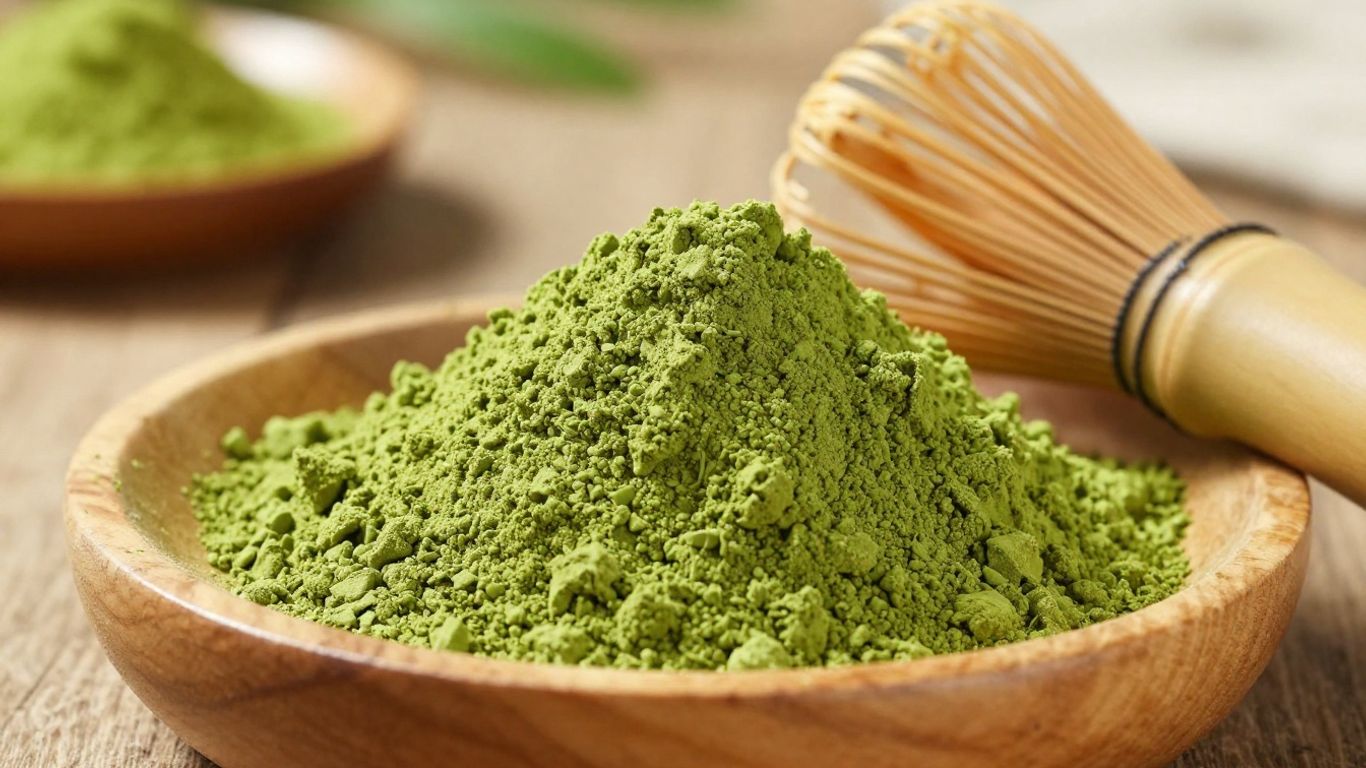
While the iced matcha latte is undoubtedly the star of the show at Community Goods, their menu extends to a delightful array of other treats that are just as worth exploring. For those who love a richer, more decadent coffee experience, their Einspanner lattes are a must-try. It’s a layered drink, often featuring espresso, milk, and a sweet cream topping, offering a different but equally satisfying way to enjoy their curated beverage selection. We've found that using a high-quality matcha, like the ceremonial grade we import from Uji and Yame, can really make these layered drinks sing, providing that smooth, umami base.
Exploring Other Signature Drinks
Beyond the matcha latte, Community Goods is known for its innovative takes on classic drinks. The Einspanner, for instance, is a popular choice, blending strong coffee with a velvety sweet cream. It’s a beautiful contrast of bold and smooth, and a perfect example of how they approach their menu – with attention to detail and quality ingredients. If you're looking to recreate that layered magic at home, think about using a finely milled matcha as a base for a unique twist on a coffee classic. It’s a way to bring that cafe vibe into your own kitchen, even if you’re not making a latte.
The Community Goods Experience
Visiting Community Goods is more than just grabbing a drink; it’s an experience. The space itself is designed to be calming and aesthetically pleasing, making it a popular spot for people to meet up or enjoy a quiet moment. It’s this thoughtful atmosphere, combined with their consistently delicious drinks, that keeps people coming back. We believe that the ritual of preparing and enjoying tea, whether it's matcha or another fine Japanese green tea, should be just as special. That’s why we focus on sourcing authentic teas that offer a truly premium experience, much like what you’d find at a place like Community Goods.
Pairing Matcha with Their Culinary Delights
Community Goods also offers a selection of light bites and culinary delights that pair wonderfully with their beverages. Their breakfast sliders, for example, are legendary. Imagine a fluffy slider paired with a vibrant, smooth matcha latte – it’s a combination that just works. The slight sweetness and richness of the sliders complement the earthy, slightly bitter notes of a well-prepared matcha. For those looking to replicate this at home, consider pairing your homemade matcha with some quality pastries or even a light savoury snack. It’s about creating a balanced and enjoyable moment, whether you’re at a cafe or in your own home. We find that a good quality matcha, like the ones we source from Japan, can really stand up to and complement a variety of flavours.
Investing in Quality Matcha for Daily Rituals
So, you've had that Community Goods matcha latte and now you're thinking, 'How can I get that magic at home every day?' It really comes down to the powder you use. Think of it like baking – you wouldn't use cheap flour for a fancy cake, right? The same goes for matcha. Investing in good quality matcha powder is the first step to recreating that cafe-quality experience in your own kitchen.
The Value of Premium Matcha Powder
When we talk about premium matcha, we're talking about ceremonial grade. This isn't just a fancy label; it means the leaves were shade-grown for a longer period, hand-picked at their peak, and then stone-ground into that super-fine powder. This process is what gives you that vibrant green colour, that rich, umami flavour, and that smooth texture without any bitterness. For us, sourcing directly from the renowned tea regions of Uji and Yame in Japan means we get to bring you the real deal. It’s about more than just a drink; it’s about a mindful moment in your day. Choosing a high-grade matcha means you're choosing a superior taste and a more enjoyable experience.
Proper Storage for Freshness and Vibrancy
Once you've got your hands on some top-notch matcha, you'll want to keep it that way. Matcha is sensitive to light, air, and heat, which can make it lose its colour and flavour pretty quickly. The best way to store it is in an airtight container, preferably the one it came in or a dark glass jar. Keep it in the fridge! This slows down the oxidation process and keeps your matcha tasting fresh and looking vibrant for longer. Think of it as tucking your precious powder into a cool, dark place for a nap. This is super important if you're planning on making matcha a daily thing, like we do here at our Australian matcha import business.
Bringing Cafe Magic into Your Daily Routine
Making matcha at home doesn't have to be complicated. It's about setting aside a few minutes for yourself. You can start with the basics: sift your matcha (this is a game-changer for smoothness!), whisk it with a little hot water, and then add your milk and sweetener if you like. It's a simple ritual that can really change your day. You don't need all the fancy equipment to start. A good whisk and a bowl are enough to begin your journey. Plus, when you're using quality matcha, you'll notice the difference immediately. It's about enjoying that delicious, energising drink without the fuss or the long wait. You can find some great starter kits and single-origin powders perfect for your daily routine if you're looking to upgrade.
Making matcha a part of your daily routine is a wonderful way to boost your day. Choosing high-quality matcha makes all the difference, turning a simple drink into a special moment. It's like upgrading from a regular snack to a gourmet treat! Discover the best matcha for your daily ritual and elevate your everyday. Visit our website to find your perfect matcha today!
Conclusion
So, we've uncovered the likely star behind Community Goods' beloved matcha – Naoki ceremonial grade. It’s amazing how a high-quality matcha powder can transform a simple drink into a cafe-worthy experience. By understanding the importance of ceremonial grade and practicing good preparation, you can recreate that magic at home. It’s not just about saving money; it’s about enjoying a delicious, energizing ritual that fits perfectly into your day. Cheers to your home-brewed matcha adventures!
Frequently Asked Questions
What makes Community Goods' matcha so good?
Community Goods is known for its really smooth and tasty matcha drinks. People say it's because they likely use a high-quality matcha powder, probably Naoki ceremonial grade. This kind of matcha has a great flavor that isn't bitter and a bright green color.
Is Naoki matcha expensive?
While Naoki ceremonial grade matcha is a premium product, getting a tin for around $30 can actually save you money in the long run. Think about how much you spend on cafe lattes! Making it at home with a good quality powder is way more affordable per serving.
Can I really make a cafe-quality matcha latte at home?
Absolutely! With the right matcha powder, like Naoki, and a few simple steps, you can make a latte that tastes just like what you get at a fancy cafe. It’s all about using good ingredients and preparing it the right way.
What's the best way to prepare matcha at home?
It's best to sift your matcha powder first to avoid clumps. Then, mix it with a little hot water (not boiling!) and whisk it really well until it's smooth and a bit foamy. After that, you can add your milk, sweetener, and ice for a delicious latte.
How should I store my matcha powder?
To keep your matcha fresh and its color bright, store it in an airtight container. It's a good idea to keep it in the refrigerator. This helps it last longer and keeps that yummy flavor intact.
What's the difference between ceremonial and culinary grade matcha?
Ceremonial grade matcha is the highest quality. It's made from the youngest tea leaves and is meant to be enjoyed on its own, usually with just water, because it has a smoother, richer taste. Culinary grade matcha is good for mixing into foods or drinks where other flavors are present, but it can sometimes be a bit more bitter.

