

Let's wrap things up with the main points about what makes matcha powder so good for you. Here are the key things to remember:
Key Takeaways
- Matcha is finely ground green tea leaves, meaning you consume the whole leaf, getting more nutrients than regular steeped tea.
- It's packed with antioxidants, especially EGCG, which help protect your body from damage.
- Matcha provides a unique 'alert calm' energy boost from caffeine and L-theanine, helping you focus without jitters.
- The shading process before harvest increases chlorophyll for vibrant color and amino acids like L-theanine.
- Different grades of matcha exist, from ceremonial for sipping straight to culinary for baking and drinks, each with slightly different flavor profiles.
Understanding Matcha's Core Components
Matcha isn't just another green tea; it's a finely ground powder made from specially cultivated and processed tea leaves. Unlike traditional green teas where you steep and discard the leaves, with matcha, you consume the entire leaf. This means you're getting a much more concentrated dose of everything good the tea plant has to offer. As a local Australian importer of authentic Japanese matcha from Uji and Yame, we've seen firsthand how this whole-leaf approach makes a significant difference.
What Is Matcha Powder?
Matcha powder is essentially the whole tea leaf, ground into an incredibly fine powder. The process starts with shade-growing the tea plants for about 20-30 days before harvest. This shade cultivation boosts chlorophyll production, giving matcha its vibrant green colour, and also increases the concentration of amino acids, particularly L-theanine. This unique growing method is a key reason why matcha has such a distinct flavour and nutritional profile compared to other green teas.
The Nutritional Powerhouse: Unpacking Matcha's Value
So, what exactly is packed into this vibrant green powder? Matcha is a nutritional powerhouse, offering a concentrated blend of vitamins, minerals, antioxidants, and amino acids. Because you're consuming the entire leaf, the nutrient density is significantly higher than in steeped green tea. It's a low-calorie beverage, typically around 5 calories per cup when prepared with just water, but it provides a broad spectrum of beneficial compounds. This makes it a fantastic addition to a healthy lifestyle, whether you're enjoying it as a traditional tea or incorporating it into your favourite recipes. You can find out more about the general nutritional profile of matcha here.
Vitamins and Minerals in Every Sip
Every serving of matcha brings a good dose of essential vitamins and minerals. You'll find Vitamin C, which is great for supporting your immune system. It also contains minerals like potassium, important for heart health, and selenium, which acts as an antioxidant. These micronutrients contribute to matcha's overall health benefits, making each sip a little boost for your well-being.
The Unique Benefits of Consuming the Whole Leaf
A More Robust Nutritional Profile
When you brew a cup of traditional green tea, you're essentially steeping the leaves and then discarding them. With matcha, it's a completely different story. We're talking about consuming the entire tea leaf, finely ground into a powder. This means you're getting a much more concentrated dose of everything good the tea plant has to offer. Think of it like eating the whole fruit versus just drinking its juice – you retain more of the fibre and nutrients.
The Role of L-Theanine for Focus and Calm
One of the standout components in matcha is an amino acid called L-theanine. It's pretty special because it works with the caffeine in matcha to give you a smooth, sustained energy boost. Unlike the sometimes-jarring jolt you might get from coffee, L-theanine helps promote a state of 'alert calm.' This means you can feel focused and productive without that jittery feeling or the dreaded afternoon crash. It's a big reason why many people, including us here at authentic Japanese matcha importer, turn to matcha for their daily ritual.
Antioxidants: Your Body's Internal Shield
Matcha is absolutely loaded with antioxidants, particularly a type called catechins. The most well-known is EGCG (epigallocatechin gallate). These compounds are like your body's little helpers, working to protect your cells from damage caused by free radicals. It's a fantastic way to support your overall well-being, just by enjoying a delicious cup of tea. The way matcha is grown and processed, especially the shade-grown cultivation we favour from Uji and Yame, really helps to maximise these beneficial compounds.
Exploring the Richness of Matcha's Composition
Chlorophyll for Vibrant Color and Detoxification
Matcha's striking emerald hue isn't just for show; it's a direct indicator of its high chlorophyll content. This natural pigment is a result of the unique shade-growing process that tea plants undergo for several weeks before harvest. This method significantly boosts chlorophyll production, giving matcha its intense colour and contributing to its unique flavour profile. Beyond aesthetics, chlorophyll is often associated with detoxification properties, helping your body process and eliminate unwanted substances. It's a natural component that adds another layer to matcha's appeal.
Amino Acids: The Building Blocks of Well-being
Beyond chlorophyll, matcha is a treasure trove of amino acids. The most celebrated among these is L-theanine, which is found in much higher concentrations in shade-grown teas like matcha compared to regular green teas. L-theanine is known for its calming effects, promoting relaxation and focus without causing drowsiness. This unique amino acid is a key reason why matcha can provide a sense of alert calmness, making it a favourite for those seeking sustained energy and mental clarity throughout their day. We've found that the L-theanine content is particularly noticeable in the ceremonial grades we import from Uji and Yame.
Catechins Like EGCG: Fighting Cell Damage
Matcha is particularly rich in a type of antioxidant called catechins, with Epigallocatechin gallate (EGCG) being the most abundant and potent. These compounds are powerful defenders against oxidative stress, helping to protect your cells from damage caused by free radicals. Consuming the whole leaf in matcha means you're getting a concentrated dose of these beneficial antioxidants, far more than you would from a typical cup of steeped green tea. This makes matcha a fantastic addition to a health-conscious lifestyle, supporting your body's natural defence mechanisms. It's this concentrated goodness that truly sets matcha apart, offering a more robust nutritional profile [e1a1].
The shade-growing technique, a hallmark of authentic Japanese matcha, is what really sets it apart. It not only intensifies the vibrant green colour due to increased chlorophyll but also significantly elevates the levels of beneficial amino acids like L-theanine and potent antioxidants such as EGCG. This meticulous cultivation is why our matcha from Uji and Yame offers such a superior experience.
Matcha's composition is a fascinating blend of nature's best. The combination of high chlorophyll, abundant amino acids, and powerful catechins creates a drink that's as beneficial as it is enjoyable. It's this intricate makeup that makes matcha a standout in the world of teas, offering a unique sensory and wellness experience.
Key Nutrients That Define Matcha's Goodness
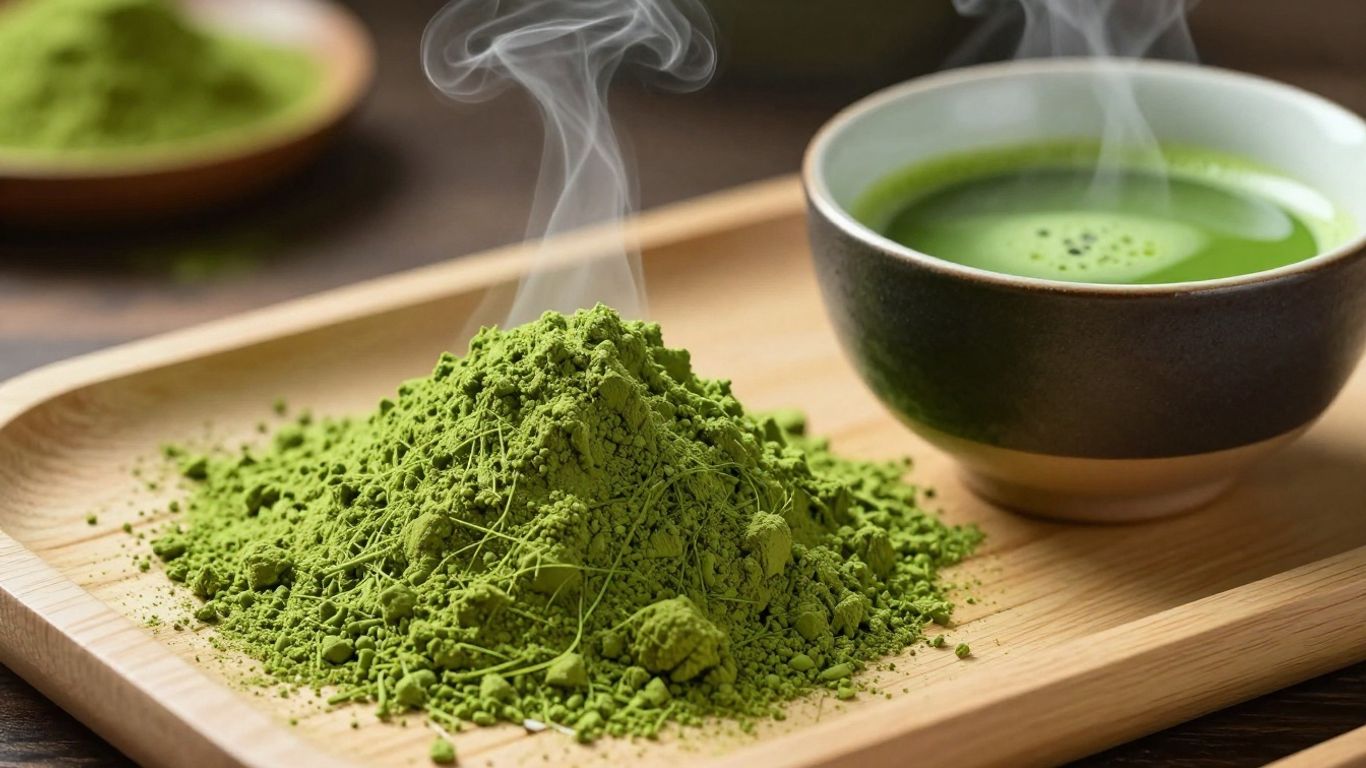
Matcha isn't just a pretty green powder; it's a concentrated source of goodness, and understanding its key nutrients helps explain why it's so special. When you're enjoying a cup of authentic matcha, especially the kind we carefully import from the renowned tea regions of Uji and Yame in Japan, you're getting a whole lot more than just flavour.
The Caffeine Content and Its Steady Release
Matcha does contain caffeine, similar to coffee. However, the way it's delivered is quite different. Because you're consuming the whole leaf, the caffeine is released more gradually. This means you get a sustained energy boost without the sharp peaks and crashes often associated with coffee. It's that 'alert calm' many people talk about.
- Steady Energy: Provides a gentle lift that lasts.
- Reduced Jitters: Less likely to cause the anxious feelings some get from coffee.
- Improved Focus: Works with other compounds in matcha for better concentration.
Essential Minerals for Holistic Health
Beyond the well-known antioxidants, matcha is a good source of several minerals that play a role in overall well-being. These aren't always highlighted, but they contribute to the tea's comprehensive nutritional profile. Think of them as the supporting cast that makes the star nutrients shine even brighter.
| Mineral | Role in the Body |
| :-------- | :---------------------------------------------- | :------------------------------------------------ |
| Potassium | Supports healthy blood pressure and fluid balance |
| Calcium | Important for strong bones and teeth |
| Iron | Aids in oxygen transport throughout the body |
| Selenium | Acts as an antioxidant, supports immune function |
Fiber for Digestive Support
One of the unique aspects of matcha, compared to regular steeped green tea, is its fiber content. Since you're ingesting the entire ground leaf, you also consume the dietary fiber present in the tea leaves. This fiber can be beneficial for your digestive system, contributing to gut health and promoting a feeling of fullness.
Consuming the whole leaf means you're not missing out on the fibre that would otherwise be discarded with steeped tea leaves. This makes matcha a more complete nutritional package.
It's this combination of caffeine, minerals, and fiber, alongside the potent antioxidants and amino acids, that truly defines the goodness packed into every serving of high-quality matcha. It’s why we’re so passionate about sharing these authentic Japanese teas with our fellow Australians. Explore our range to taste the difference.
How Processing Influences What Matcha Powder Contains
It's easy to think of matcha as just 'green tea powder,' but the journey from leaf to vibrant powder is pretty special. The way matcha is grown and prepared makes a huge difference in what ends up in your cup. As a local Australian importer of authentic Japanese matcha from Uji and Yame, we see firsthand how these steps matter.
The Impact of Shade-Grown Cultivation
Matcha's journey begins long before it's powdered. For about 20 to 30 days before harvest, the tea plants are covered, shielding them from direct sunlight. This shade-growing technique is a game-changer. It significantly boosts the production of chlorophyll, giving matcha its signature bright green colour. More importantly, this process also increases the concentration of amino acids, especially L-theanine, which is responsible for that lovely calming focus and the rich umami flavour we love. This is a key difference compared to regular green tea, which isn't shaded in the same way. You can read more about how shade-grown cultivation impacts matcha's unique properties here.
Stone-Grinding for Optimal Nutrient Retention
Once the leaves are harvested, they're typically steamed and then dried. The real magic happens next: stone grinding. Traditional methods use granite stone mills to grind the dried leaves into an incredibly fine powder. This slow, gentle process is crucial because it helps preserve the delicate nutrients, antioxidants, and vibrant flavour of the matcha. High-speed grinding can generate heat, which can degrade these valuable components. The slower the grind, the better the quality and nutrient profile.
Understanding Different Matcha Grades
Not all matcha is created equal, and the processing directly influences its grade. Generally, you'll see two main categories:
- Ceremonial Grade: This is the highest quality, made from the youngest, most tender leaves. It's shade-grown for longer, resulting in a vibrant green colour, a smooth, almost creamy texture, and a delicate, sweet, umami-rich flavour. It's perfect for traditional tea ceremonies or simply enjoying on its own.
- Culinary Grade: This grade uses slightly older leaves and may have a less intense green colour and a more robust, sometimes slightly bitter flavour. It's designed to hold up well in cooking and baking, adding a strong green tea flavour to lattes, smoothies, desserts, and savoury dishes.
The distinction between grades isn't just about taste; it reflects the care taken at every stage, from cultivation to the final grind, impacting everything from colour and texture to the concentration of beneficial compounds.
Choosing the right grade means you're getting the best experience for your intended use, whether it's a mindful moment of calm or a flavourful addition to your favourite recipe. For those looking to incorporate matcha into their daily routine, understanding these processing differences helps in selecting the perfect matcha for your needs. For instance, consuming 5 grams daily can provide a good dose of beta-carotene, vital for vision and immune function as noted here.
Comparing Matcha's Contents to Other Green Teas
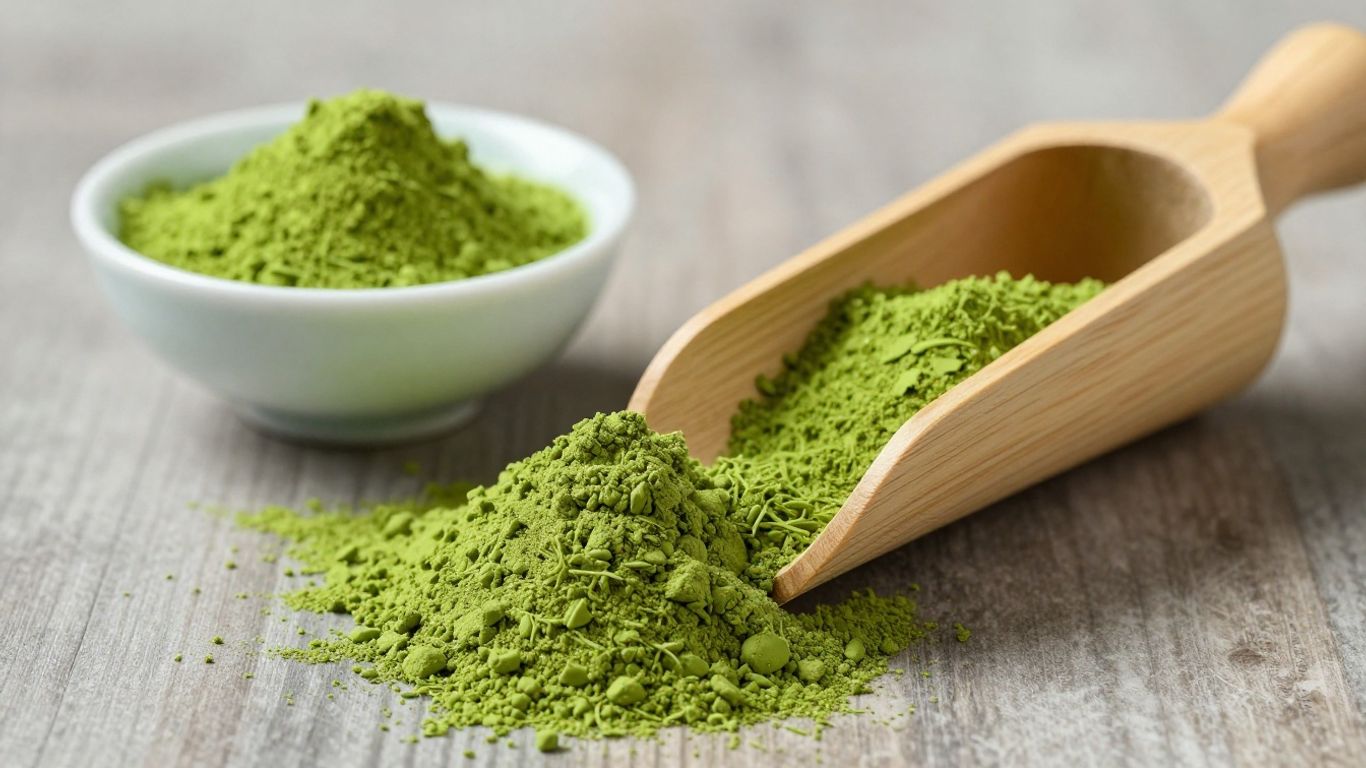
When you're looking at matcha, it's really a different ballgame compared to your standard green tea bags or loose leaves. We've seen firsthand, importing authentic Japanese matcha from Uji and Yame, just how unique this powdered tea is. It's not just about a different preparation method; the very essence of what you consume is fundamentally altered.
Concentrated Goodness: The Whole Leaf Advantage
The biggest difference? With matcha, you're drinking the entire tea leaf, finely ground into a powder. This means you're getting a much more concentrated dose of everything the tea plant offers. Think of it like eating the whole fruit versus just drinking its juice. Regular green tea involves steeping leaves in hot water and then discarding them. While you still get some benefits, a lot of the goodness stays behind in those leaves. Matcha, on the other hand, puts all those nutrients, antioxidants, and amino acids directly into your cup. This whole-leaf approach is why a single serving of matcha can pack a nutritional punch equivalent to many cups of regular green tea. It's a key reason why people are turning to premium matcha powder for a more robust experience.
Flavor Intensity and Texture Differences
This difference in consumption also leads to a distinct flavour and texture. Matcha, especially the ceremonial grades we favour, has a rich, complex flavour profile. It's a balanced blend of sweet, savoury (umami), and a gentle bitterness. When whisked properly, it creates a smooth, velvety texture that coats your palate. Regular green teas, while lovely, tend to be milder and more watery. Their flavour notes are often more delicate, sometimes grassy or earthy, but they lack that deep, layered complexity and creamy mouthfeel that matcha provides. It's this unique combination that makes matcha so satisfying on its own.
Umami and Bitterness: A Unique Balance
Matcha's characteristic umami flavour, that pleasant savoury note, is a direct result of the shade-growing process. This process also boosts chlorophyll and L-theanine levels. While all green teas have some bitterness, high-quality matcha, like the ones we source, achieves a beautiful balance. The bitterness is present but not overwhelming, complementing the umami and sweetness. Other green teas might lean more towards astringency or a simpler, less nuanced bitterness. This sophisticated flavour profile is what truly sets matcha apart and makes it a joy to prepare and drink, whether you're enjoying it as a traditional usucha or incorporating it into your favourite recipes.
When you look at what's inside matcha compared to other green teas, you'll see some big differences. Matcha is special because you consume the whole leaf, not just an infusion. This means you get way more good stuff, like antioxidants and vitamins, packed into every serving. Want to learn more about why matcha stands out? Visit our website for the full scoop!
Conclusion
So, we've taken a good look at what makes matcha powder so special. It's clear that this vibrant green tea is much more than just a trendy drink. By consuming the whole leaf, matcha offers a concentrated dose of nutrients, including powerful antioxidants, vitamins, and minerals. The unique growing and processing methods give it that distinctive flavor and that calm, focused energy boost thanks to L-theanine. Whether you're enjoying a traditional ceremonial cup or adding it to your favorite smoothie, understanding what's inside matcha helps us appreciate its goodness even more. It’s a simple yet powerful addition to a healthy lifestyle.
Frequently Asked Questions
What exactly is matcha powder made of?
Matcha powder is simply very finely ground green tea leaves. Unlike regular green tea where you steep the leaves and throw them away, with matcha, you drink the whole leaf powder. This means you get all the good stuff inside the leaf.
Is matcha good for you?
Yes, it is! Matcha is loaded with things that are good for your body. It has lots of antioxidants, which are like tiny helpers that protect your cells. It also has vitamins and minerals that your body needs to work well.
What makes matcha give you energy without the jitters?
Matcha has caffeine, like coffee, but it also has an amino acid called L-theanine. This special ingredient works with the caffeine to give you energy that feels smooth and focused, instead of making you feel shaky or nervous like coffee sometimes can.
Why is matcha so green?
The tea plants are covered up to block sunlight for a few weeks before harvest. This makes the leaves produce more chlorophyll, which is what gives matcha its super bright green color. It also helps make more of those good-for-you amino acids.
Are there different kinds of matcha?
Yes, there are! You'll see terms like 'ceremonial grade' and 'culinary grade.' Ceremonial is usually the highest quality, best for drinking on its own. Culinary grade is great for mixing into lattes, smoothies, or baked goods because its flavor can stand up to other ingredients.
How is matcha different from regular green tea?
The biggest difference is how you consume it. With regular green tea, you steep the leaves and discard them, only getting some of the nutrients. With matcha, you drink the whole ground leaf, so you get a much more concentrated amount of everything good inside.

