

Key Takeaways
- Black Sheep Coffee focuses on high-quality ingredients, often sourcing ceremonial grade matcha for their cafe menu.
- Commercial matcha procurement prioritizes consistency in color, texture, and flavor profiles to meet consumer expectations.
- Micro-ground production is essential for achieving a velvety, clump-free consistency in both hot and iced latte preparations.
- Home baristas can achieve cafe-level results by investing in authentic stone-milled Japanese matcha and using correct preparation techniques.
- Matcha Warehouse provides businesses and home enthusiasts with professional-grade, ethically sourced tea directly from Japanese plantations.
Unveiling the source: What matcha does Black Sheep Coffee use?
The specialty coffee scene has evolved remarkably, with cafes moving beyond basic drink menus to prioritize premium ingredients like authentic green tea powders. Customers today are far more discerning about the origins and processing methods of their beverages, pushing shops to reveal the quality levels of their supplies. If you have ever wondered what matcha powder does black sheep coffee use, you are likely noticing the shift toward more transparent sourcing practices that define the modern cafe experience.
The shift to high-quality sourcing in specialty venues
Specialty coffee shops have recognized that a standard coffee menu is no longer enough to retain a loyal, health-conscious audience. By elevating their tea offerings, these venues create a diverse beverage narrative that appeals to non-coffee drinkers and caffeine-seekers alike. This movement has transformed the matcha latte from a secondary item into a flagship product that requires equal attention to detail as specialty espresso.
Examining the PerfectTed partnership
Many patrons associate Black Sheep Coffee with a commitment to high-quality beans, and their venture into plant-based matcha drinks reflects this same ethos. By collaborating with brands like PerfectTed, these shops bring innovation to their Black Sheep Coffee menus, ensuring that every refreshing cooler or latte hits the right notes of flavor and energy. It represents an intentional step toward diversifying their signature drinks beyond just traditional roasted beans.
Understanding cafe-grade versus ceremonial-grade expectations
There is a meaningful distinction when it comes to the technical quality of the powder being used across the hospitality industry. While some chains opt for culinary blends, the premium standard involves using ceremonial grade matcha to ensure a vibrant color and a smooth, umami-forward profile. When you consume such a product, the difference in bitterness and overall texture becomes immediately apparent to the palate.
How coffee chains source their matcha powder
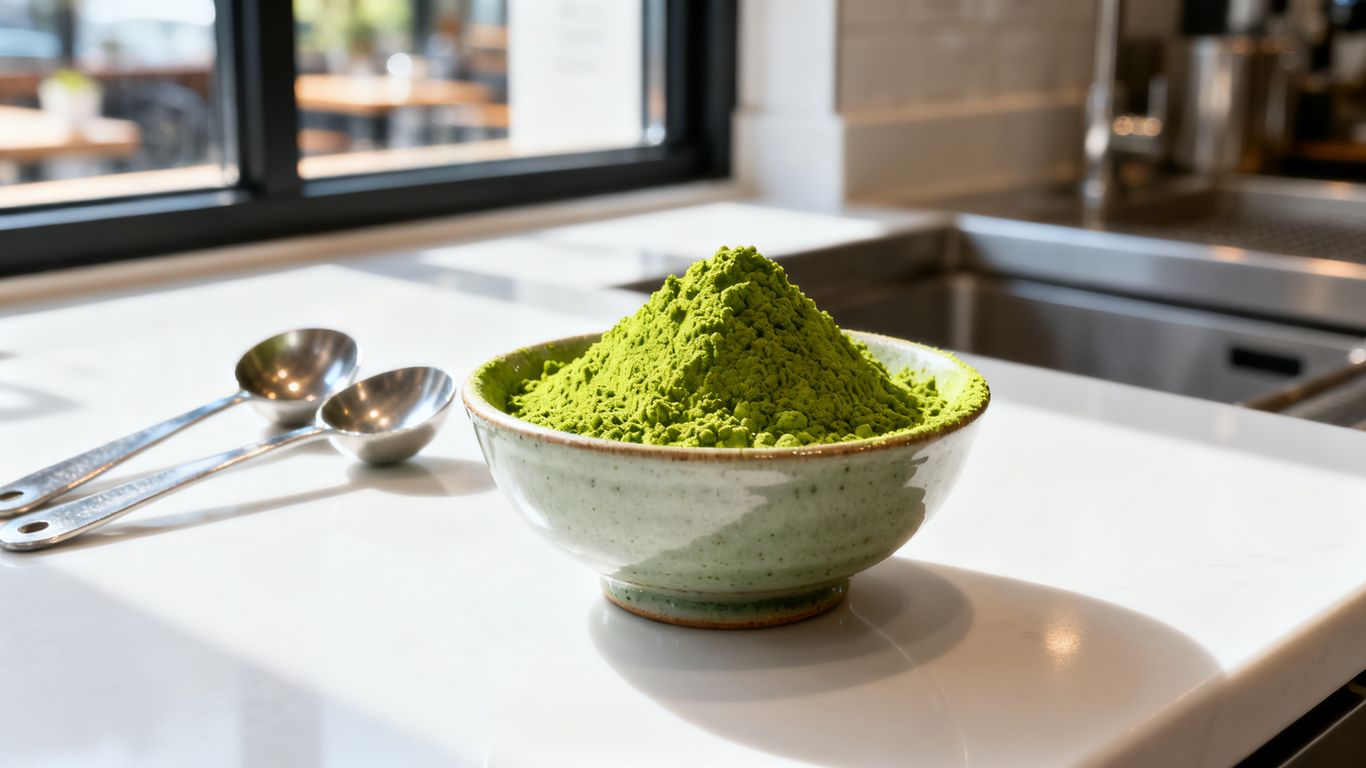
Major coffee chains operate with rigorous standards for their bulk ordering, often bypassing mass-market powders for options that promise long-term reliability. The procurement strategy typically involves direct partnerships with specific tea farms or regional wholesalers to secure stock that meets seasonal demands without compromising the integrity of the drink. This process is essential for maintaining a brand's reputation for quality in every cup they serve.
Criteria for commercial-scale procurement
When buying in bulk, establishments look for specific attributes that ensure the final beverage will perform well once blended with various types of steamed milk. Chefs and managers often use a specific checklist to evaluate potential suppliers, as detailed in the commercial requirements below:
- Particle size consistency to ensure zero grittiness.
- Vibrant green pigmentation that remains stable when mixed.
- Low oxidation levels to preserve the fresh grassy aroma.
- Consistent moisture content to prevent clumping during storage.
Ensuring color, texture, and flavor consistency
Consistency is the bedrock of the customer experience in any high-impact coffee brand. Customers return because they trust that their favorite drink will taste the exact same in every location they visit, regardless of the season. Suppliers must provide standardized batches that behave identically under the steam wand.
The move toward organic and ethical certifications
The industry is seeing a major shift toward products that are verified for their ethical growing practices and lack of chemical additives. Brands that prioritize transparent supply chains, such as those sourcing from the Katō Family, are increasingly preferred by businesses that want to align their purchasing with consumer values. This trend is not just a marketing effort but a fundamental change in how raw ingredients are vetted before they reach the cafe counter.
The importance of micro-ground production
Micro-ground production is the secret behind that dense, creamy foam that makes a premium matcha latte so satisfying. By milling the tea leaves down to an ultra-fine micron level, the surface area of the powder is greatly increased, which allows for instant solubility. This high level of precision engineering ensures that the tea integrates perfectly into warm liquids, avoiding the common issue of chalky sediment at the bottom of the cup.
Why micro-grinding matters for beverage texture
Texture is just as important as taste in the world of specialty beverages, and clumping can quickly ruin a delicate flavor profile. When powder is ground too coarsely, it creates a gritty sensation that stands in stark contrast to the silky texture of well-steamed milk. Proper micro-grinding allows the powder to suspend in the liquid, creating a uniform, creamy experience from the first sip to the last.
Preserving nutrients through traditional stone-mill processes
Using traditional methods doesn't mean moving away from efficacy; stone-milling remains a gold standard for preserving the integrity of the leaf. This slow, low-heat process prevents the tea from burning due to excessive friction, which is a common problem with faster, high-speed industrial grinding. This method helps maintain the nutritional profile of the powder, keeping antioxidants and natural compounds intact for the consumer.
Optimizing solubility for both hot and iced lattes
Solubility acts as the bridge between a raw powder and a delicious finished latte. To help consumers choose the right product for their specific application, we have laid out the differences between common powder grades in the table below:
| Feature | Ceremonial Grade | Culinary Grade | Beverage/Cafe Grade |
|---|---|---|---|
| Particle Size | Extremely Fine | Medium/Coarse | Fine |
| Antioxidant Potency | High | Moderate | High |
| Best Use | Lattes & Whisking | Smoothies & Baking | Professional Lattes |
The table above highlights why selecting the right grade is vital for your specific drink needs, as each category behaves uniquely when exposed to different temperatures and liquid volumes.
How to replicate the Black Sheep Coffee matcha experience at home
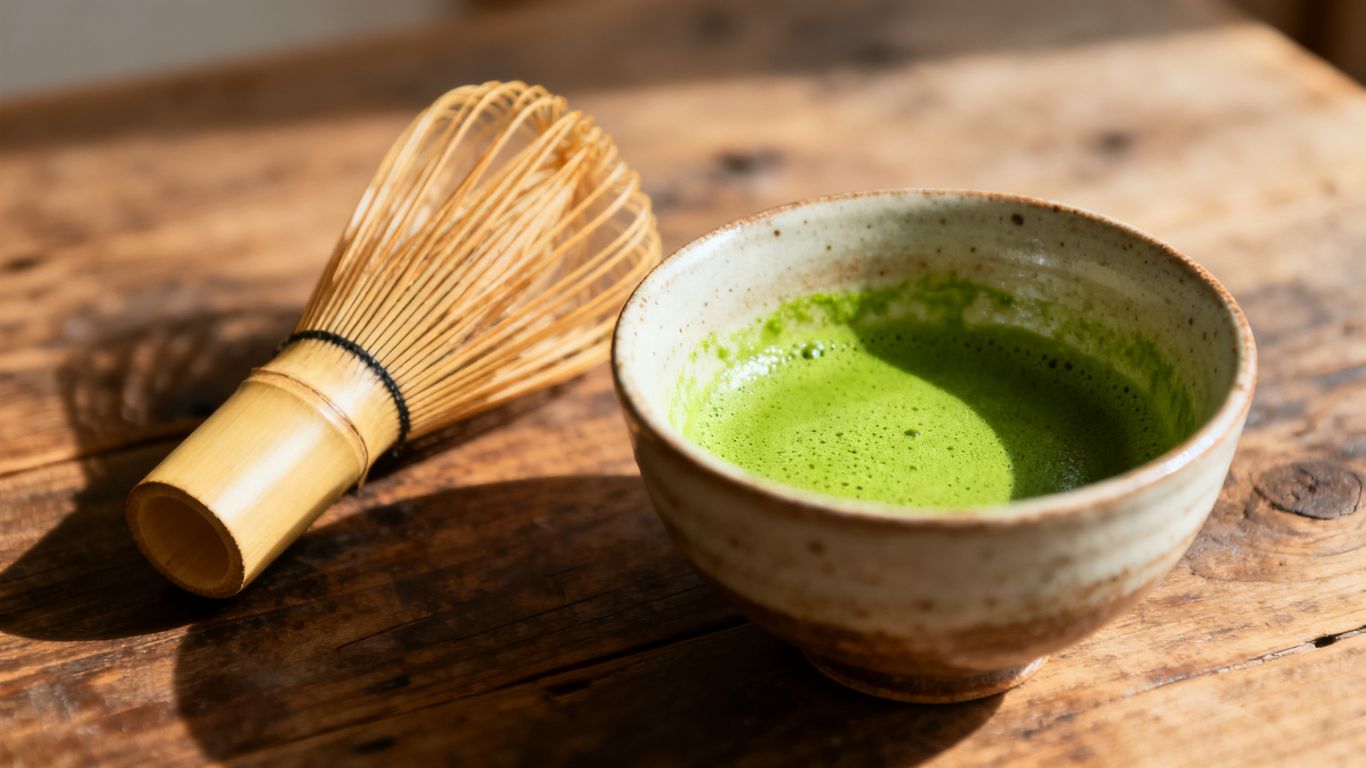
Creating a cafe-standard drink in your own kitchen requires more than just pouring hot water over a generic tea bag, but it is entirely achievable with the right toolkit. The key is in the preparation, specifically how you hydrate and whisk the powder into a concentrated paste before adding it to your chosen milk. By focusing on temperature and equipment, you can easily access our expert guidance for a perfect morning blend.
Selecting authentic Japanese matcha versus generic market alternatives
The market is flooded with lower-quality powders that often contain added sugar or artificial colorings, which can mask the true complexity of the tea. To replicate a high-end experience, look for authentic Japanese matcha that prioritizes high-grade leaves from dedicated regions. When you prioritize purity and origin, you are essentially mimicking the supply chain used by the best specialty roasters.
The role of proper whisking to achieve a dense, creamy froth
A traditional bamboo whisk is indispensable for getting that light, bubbly layer of foam on top of your bowl. Proper technique involves vigorous, zigzag motions to emulsify the powder, ensuring every tiny particle is incorporated. Without this step, you risk a finish that feels uneven or lacks the luxurious mouthfeel you find in a professional shop.
Temperature control and balancing water-to-powder ratios
Temperature is another critical factor often overlooked by beginners, as boiling water can scorch the delicate leaves and introduce an unpleasant level of bitterness. Aim for a water temperature around 75°C to 80°C to extract the natural sweetness of the tea. Balancing the amount of powder to water is equally important, as a too-diluted mixture will lack the impact required for a creamy, flavorful drink.
Matcha Warehouse: Authentic alternatives for professional results
At Matcha Warehouse, we pride ourselves on bringing the authentic Japanese experience to your doorstep, ensuring you have access to the same quality used by top-tier cafe professionals. By focusing on direct trade and traditional farming techniques, we bridge the gap between rural Japanese tea plantations and the Australian market.
Sourcing directly from traditional Japanese tea plantations
Direct sourcing allows us to control the quality of every harvest, ensuring that the tea is cultivated with the care it deserves. By building relationships directly with growers in regions such as Uji and Yame, we maintain full oversight of the production cycle. This prevents the supply chain delays and quality deviations often seen with large-scale, impersonal distributors.
Analyzing the impact of shade-growing on flavor profiles
Shade-growing is a fundamental part of producing high-quality tea, as it restricts the photosynthesis process in the weeks leading up to the harvest. This specific technique increases the concentration of chlorophyll and L-theanine, which are responsible for the vibrant green color and the calm, steady energy boost associated with a premium cup. It is this unique nutritional powerhouse profile that distinguishes our supply from mass-produced alternatives.
Why businesses choose wholesale Matcha Warehouse supplies for consistency
For business owners, finding a supplier that can guarantee consistent quality batch after batch is the most important factor in their procurement strategy. We provide the stability needed to ensure that every latte or smoothie served at your cafe maintains the same standards of excellence the industry grows to expect. It is about creating eco-friendly and sustainable partnerships that last for years.
The cultural shift of matcha in specialty coffee shops
Matcha has effectively repositioned itself from a niche ceremonial beverage to a core component of the modern specialty coffee rotation. This transition reflects a broader consumer interest in wellness, caffeine variety, and the artisanal preparation methods that define modern cafes. It is no longer unusual to see a matcha menu board featured prominently alongside the espresso machine at your favorite local spot.
Meeting the rising consumer demand for non-coffee caffeine sources
As consumers become more aware of the jittery energy spikes associated with excessive coffee consumption, they are gravitating toward alternatives that offer a more sustained and gentle lift. Matcha provides this via its unique chemical makeup, appealing to a wide range of customers who appreciate a premium alternative during their afternoon routine. This diversification keeps the menu fresh and highly relevant to modern lifestyle needs.
Integrating matcha into standard specialty coffee workflows
Training staff to handle both coffee and tea with equal precision is a hallmark of a high-quality specialty venue. Baristas now often use their existing equipment, such as steam wands and precise weighing scales, to treat the matcha powder with the same care as their single-origin beans. This integration ensures that the drink is not just an afterthought, but a meticulously crafted part of the shop's identity.
Balancing profit margins with premium ingredient standards
Maintaining a profitable business while using high-cost, premium ingredients requires a focus on quality over volume. By positioning their matcha menu as a premium product, shops can justify the higher cost of authentic matcha, ensuring that the value proposition remains clear to the customer. When the quality is high, guests are generally happy to pay for a superior experience.
Conclusion
Understanding the source of a café's matcha provides more than just a clear answer to a common inquiry; it offers a glimpse into the dedication that defines the modern specialty beverage industry. By prioritizing high-grade, authentic ingredients and expert preparation methods, cafes continue to elevate the matcha experience, making a balanced and delicious cup more accessible than ever before.
Frequently Asked Questions
How does matcha differ from standard green tea?
Matcha is made by grinding the entire tea leaf into a powder, meaning you consume the whole leaf rather than just the brewed water from steeped leaves. This results in a much more concentrated flavor profile and a higher intake of nutrients like antioxidants.
What does the grade of matcha actually indicate?
Grading typically refers to the quality of the leaves, the location of the farm, and the processing methods used to create the final powder. Higher grades, such as ceremonial, tend to have a brighter color and a sweeter, less bitter taste than commercial culinary grades.
Why does matcha sometimes clump when added to water?
Clumping occurs when moisture levels cause the fine powder particles to bond together, which is common if the powder is not properly protected from the air. Sifting the matcha before use is a simple way to ensure it stays loose and dissolves evenly into your liquid.
Can you drink matcha if you are sensitive to caffeine?
While matcha does contain caffeine, it also provides L-theanine, an amino acid that may help smooth out the energy effect and reduce the jitters often associated with coffee. However, because it still provides a significant caffeine boost, individuals sensitive to stimulants should still consume it in moderation.
Should matcha be stored in the refrigerator?
Storing matcha in a cool, dark, and airtight environment is best, and while refrigeration can help preserve freshness, it is vital to ensure the container is completely sealed to prevent the tea from absorbing odors or moisture from the fridge. Avoiding light and humidity is the absolute priority to keep the powder fresh.
Is it necessary to use a special whisk for the best results?
Using a traditional bamboo chasen whisk is highly recommended because it is designed specifically to suspend the powder and create the fine, dense foam that improves the overall flavor and mouthfeel. While you might be able to get by with other tools, a proper whisk remains the standard for the best possible tea experience.
What water temperature is best for whisking matcha?
Water should ideally be around 75°C to 80°C, as using boiling water can scorch the delicate tea leaves and draw out an overly harsh, bitter taste. Maintaining the correct temperature is a very simple way to ensure the matcha tastes sweet and smooth every single time.

