

Key Takeaways
Understanding your options for green tea powder is essential for ensuring you get the authentic flavor and health benefits you expect from this Japanese tradition. Here are the core concepts to keep in mind regarding grocery store selections:
- Whole Foods primarily offers house-brand and commercial partner matcha.
- Ceremonial grade refers to premium, first-harvest tea with vibrant color.
- Proper storage is vital to preserving the tea's volatile antioxidants.
- Mass-market retail products differ significantly from direct-import specialty batches.
- Freshness is the most important factor in maintaining a balanced flavor profile.
The major matcha brands found at Whole Foods Market
You are likely wondering exactly what matcha powder does whole foods use when you browse their tea aisle. The grocery chain typically carries a variety of labels catering to different price points and intended uses, ranging from everyday culinary options to higher-end tins. They aim to balance accessibility with the growing consumer demand for organic standards.
The 365 Whole Foods Market house brand specifications
The 365 by Whole Foods Market house brand offers an accessible entry point for those looking to start a matcha ritual. This product is generally sourced from Japanese farms and is designed to serve as a versatile ingredient for everything from morning lattes to baking projects. Many consumers choose this option for its consistent availability and certified organic ingredients, which offer a reliable baseline for casual drinkers.
The role of premium partners like Aiya Matcha
For shoppers seeking a more refined experience, Aiya Matcha provides a higher-grade alternative on the shelves of many locations. These premium offerings often reflect the traditional standards of Japanese tea production, prioritizing the vibrant color and soft umami notes associated with authentic first-harvest leaves. Their integration into the retail environment allows customers to access specialized products that might otherwise require visiting a specialty warehouse.
How regional stocking decisions impact product availability
The selection at any specific store depends heavily on regional distribution networks rather than a universal national policy. Managers at individual branches might choose to rotate their inventory based on the demographics of the local neighborhood and the velocity of tea sales. As a result, you might find a diverse array of Japanese imports in some urban centers while rural locations might maintain a more consolidated focus on the most popular commercial labels.
Evaluating the quality of grocery store matcha
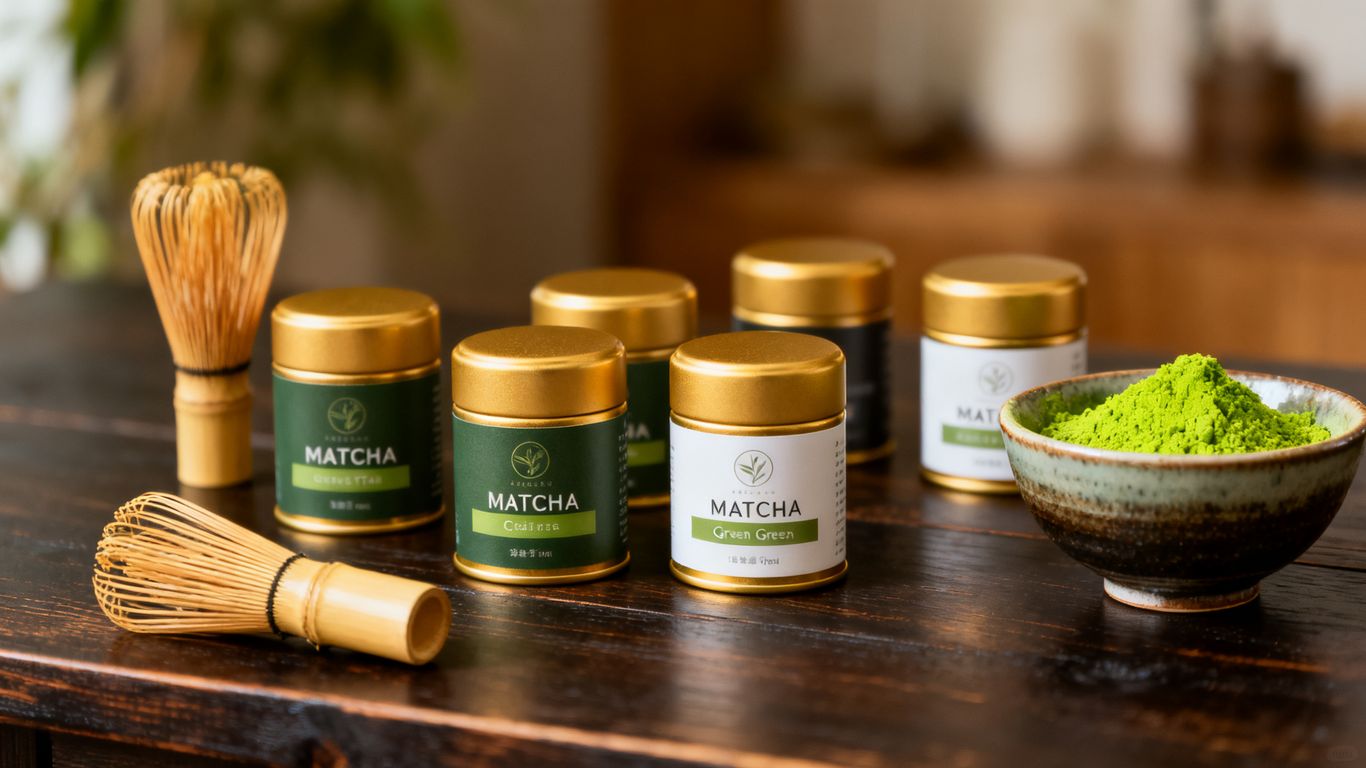
Assessing the quality of mass-market green tea powder begins with visual inspection and nutritional transparency. Because the market for matcha is diverse, discerning shoppers often look for specific indicators of the production process to ensure the product was handled with care before reaching the shelf. We know from our work sourcing directly from Uji and Yame that the difference between an average cup and a superior one is immense.
Ceremonial versus culinary grade distinctions for consumers
Most retail stores clearly label their tins as ceremonial or culinary to guide your purchase decision. Ceremonial grade assumes a high-quality, vibrant powder suitable for whisking with water, whereas culinary grade features a more robust, slightly bitter profile intended for blending into milk or heavy recipes. Always verify the processing grade on the back of the tin before reaching for your wallet to avoid common disappointment.
Identifying authentic Japanese sourcing markers
Authentic Japanese matcha should proudly display its regional origin, such as Nishio or Uji. Retailers often include these details on the label, which serves as a badge of quality for tea enthusiasts. When labels lack this specific geographical information, it is often a sign of mass-blended powder that may fall short of traditional expectations.
Visual cues of high-quality oxidized versus fresh tea
High-quality matcha should appear as a vibrant, electric green powder. If the tin reveals a dull, olive-hued, or brownish color, the tea has likely been exposed to air and light, resulting in oxidation. This process flattens the grassy flavor and significantly reduces the health-promoting compounds found in matcha powder.
Flavor profiles to expect from standard retail tins
Standard tins often provide a balanced experience, but they lack the delicate sweetness found in small-batch imports. While the following table compares typical store quality against artisanal standards, remember that your preparation style will also dictate the final taste.
| Quality Metric | Grocery Standard | Specialty Direct Import |
|---|---|---|
| Color Intensity | Moderate Green | Bright Vibrant Green |
| Umami Profile | Low to Mid | High and Creamy |
| Harvest Time | Late Season | First Harvest Only |
Prose after this comparison helps solidify why professional importers advocate for direct-source freshness over standard grocery stock.
Understanding the supply chain of retail matcha
Navigating the supply chain of mass-market tea reveals the logistical hurdles inherent in bringing perishable green goods to shelf. The journey from the tea fields of Japan to an Australian cupboard involves numerous touchpoints that can impact the final quality of the powder. Unlike shelf-stable pantry items that remain consistent for years, this product is highly sensitive to its immediate environment.
From Japanese tea farms to international distribution centers
The initial stage involves careful cultivation and shade-growing, which is crucial for nutrient density. Once harvested and stone-ground, the matcha enters a complex distribution network that spans across international borders. Maintaining the integrity of the powder requires constant vigilance to prevent temperature fluctuations that could compromise the product before it even clears the docks.
Verification of organic and non-GMO industry certifications
Retailers rely on third-party certifications to guarantee that the tea meets domestic food safety standards. These seals provide a layer of reassurance for consumers, ensuring that the agricultural practices align with strict guidelines. While these certifications do not guarantee taste, they do eliminate concerns regarding pesticides or genetically modified components.
Impact of long-distance transit on powder freshness
The transit process is arguably the most critical period for tea freshness. During multi-week shipping, the powder must be kept in climate-controlled containers to avoid the dreaded dullness that occurs with heat exposure. Brands that prioritize their supply chain often use specialized vacuum sealing to mitigate the effects of this long, unpredictable journey.
Storage and transportation requirements for retail stock
Once the product reaches the warehouse, workers must manage it with the same care as high-end produce. Retail stock moves quickly, but the time spent in loading bays and transit can still impact the shelf-life if the storage settings are not perfectly optimized for delicate green tea.
How Whole Foods matcha compares to direct-sourced options
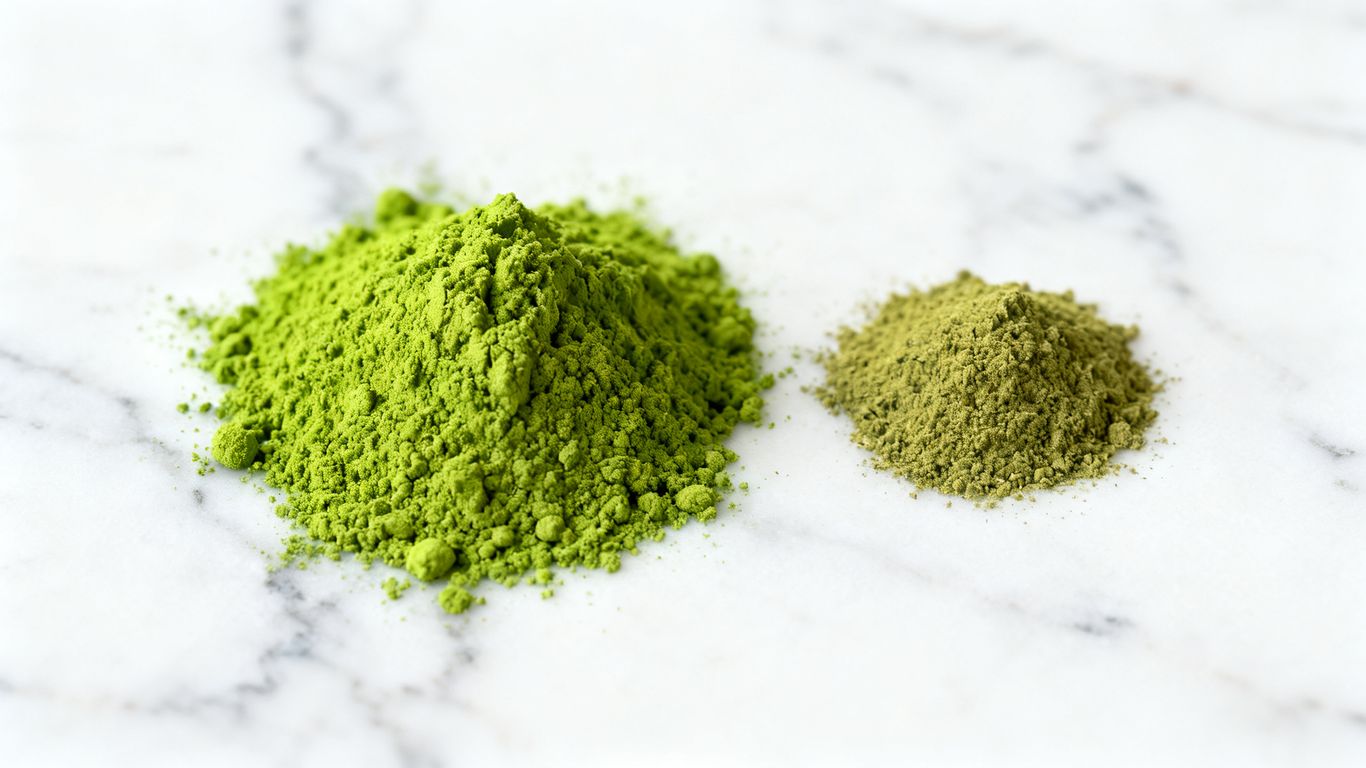
Comparing mass-market options to direct-sourced imports clearly highlights why many serious enthusiasts prefer to procure their tea through specialty channels. While grocery stores provide convenience and easy access for the casual weekend user, they cannot always compete with the freshness cycles maintained by importers that focus purely on Japanese matcha.
Managing freshness expectations in mass-market retail
Even when retailers use the highest quality leaves, the time between the final whisking at a farm and the date you open the tin can be substantial. For many customers, this means the tea may have already lost its peak aromatic punch by the time it reaches their kitchen bench at home.
Price gaps between specialty warehouse suppliers and grocery chains
The price point in a grocery store often includes layers of retail markups that don't exist in direct-to-consumer models. You might be paying for the overhead of the grocery chain, which typically leaves less budget for the brand to invest back into the quality of the tea leaves themselves.
The logistical trade-offs of large-scale international distribution
Volume requirements force large distributors to focus on consistency rather than nuance. They need a product that tastes exactly the same every single time, which sometimes leads to blends that are standardized for the widest possible audience, potentially losing the unique character of specific cultivars.
Why small-batch imports prioritize specific flavor profiles
Specialized importers maintain small, frequent batches to ensure the homeowner receives product that is harvested within the most recent season. This approach allows the flavor of the ceremonial grade matcha to shine through with all its natural complexity.
Selecting the right matcha for your personal needs
Choosing your own supply requires identifying how much you actually use in a typical week. Whether you are using it for a daily latte or experimenting with traditional bowls, the right selection process minimizes waste and maximizes the enjoyment of every scoop you take.
Matching grade to your intended preparation method
If you are strictly adding tea to a large smoothie or baked goods, a culinary grade is often more than sufficient. However, if your daily ritual involves a traditional bamboo whisk, investing in a mid-range or ceremonial grade will prevent the bitterness that often plagues lower-quality powders.
Assessing the value of ceremonial grade for daily blends
Ceremonial grade is a treat, but for those who consume multiple lattes per day, it can be a significant investment. Many fans of Community Goods find that they can split their usage: using high-quality tea for direct whisking and a secondary grade for milk-heavy lattes to optimize their monthly budget.
Importance of rapid consumption for optimal health benefits
The health benefits of green tea are most potent when the powder is fresh. Oxidation happens immediately after air contact, so buying smaller, more frequent tins ensures you are always consuming the powder at its most chemically active state. We suggest following these basic storage rules:
- Store in an airtight container.
- Keep away from direct sunlight.
- Maintain consistent cool temperatures.
- Consume within 4-6 weeks.
Following these simple steps will ensure that your daily tea remains as fresh as the day it was ground in Japan.
Customizing your selection based on culinary goals
Your culinary goals will dictate the final choice more than any marketing label. Serious baristas who crave a Dunkin' Donuts style consistency might look at commercial blends, while tea purists will always favor a single-origin, shade-grown option that puts the flavor of the leaf front and center.
Best practices for storing retail-bought matcha
Storage is the final hurdle in the journey of your tea powder. Even the most expensive ceremonial grade will taste stale within a week if it is left on a sun-drenched counter or in a humid pantry, so you must control the environment in your home.
Why light exposure degrades the delicate color and taste
Light causes the chlorophyll in the leaves to break down rapidly. Once this integrity is lost, the bright green color fades into a dull brown, and the delicate amino acids that create that signature umami taste begin to deteriorate, leaving you with a flat, bitter extract.
Managing temperature control in domestic kitchen settings
Avoid keeping your tea tins near the stovetop or oven. Even minor increases in ambient heat can accelerate the oxidation process, making the tea appear and taste older than it really is. A cool, dark cupboard is the best place for your daily-use tin, while the refrigerator is preferred for long-term storage of unopened supply.
Essential steps for maximizing shelf-life after breaking the seal
Once the seal is broken, you are on a clock. You can extend the remaining life by pressing the foil pouch down firmly to remove as much air as possible before sealing the lid. This simple step is even more important than the location in the cupboard, as air is the primary catalyst for degradation.
Preventing oxidation during daily use cycles
Try to keep your tin closed as much as possible, perhaps moving a smaller amount into a secondary, smaller container for daily use to minimize the number of times you breathe air into the main supply. By isolating your daily portion, you protect the bulk of your investment from unnecessary exposure.
Conclusion
Finding the right green tea powder requires an understanding of what works for your lifestyle and how to properly maintain it once it reaches your home. While grocery store options provide convenience, discerning enthusiasts often find that the world of specialty imports offers a deeper, more rewarding experience that truly honors the history and health profile of this ancient superfood.
Frequently Asked Questions
Does matcha powder expire quickly after opening?
Yes, oxidation begins the moment the air hits the powder, which is why it is best consumed within four to six weeks of opening to maintain the best flavor and color.
Can I use culinary grade for a traditional tea ceremony?
While technically possible, culinary grade is often bitter and coarse, which will detract from the smooth, sweet, and frothy texture expected during a traditional preparation.
Why is my tea a dull brownish color?
A dull or brownish color is a primary indicator of oxidation and age, meaning the tea is likely past its peak and has lost much of its nutritional potency.
Should I store my unopened tin in the fridge?
Storing an unopened tin in the refrigerator is excellent practice, provided the tin is kept in an airtight bag to prevent moisture condensation when you take it out to use.
Does the country of origin matter for quality?
Origin is one of the most reliable markers of quality, as regions like Uji and Nishio have centuries of specialized experience in shading, harvesting, and stone-grinding leaves.
How does the grinding method affect the final taste?
Traditional stone-grinding processes ensure the leaves are pulverized into an extremely fine, flour-like consistency, which allows for perfect suspension in water without clumps.
Is there a difference between organic and non-organic matcha?
Organic certification ensures the tea is grown without synthetic pesticides or fertilizers, which is broadly considered safer for consuming the whole leaf, though it does not strictly dictate the flavor grade.
Premium Matcha Selection
If you are ready to upgrade your morning tea experience with the finest imports directly from Japanese tea farms, visit our shop online. We specialize in providing fresh, authentic matcha that avoids the shelf-time issues common in large retail chains, ensuring you get the full flavor and health benefits of properly handled green tea.

