

Key Takeaways
Understanding the world of commercial matcha involves distinguishing between standard industrial-grade powders and the single-origin leaves prized by tea connoisseurs. By evaluating sourcing, processing, and intended application, you can elevate your own tea experience with high-quality alternatives.
- Commercial cafe blends often prioritize solubility and consistent color over traditional umami depth.
- Ceremonial grade represents the highest purity, while culinary grade is specifically milled to balance bold flavors within milk or sweetener pairings.
- Many large coffee chains utilize standardized pre-mixed or additive-heavy powders to ensure rapid, replicable drink speeds.
- Shade-grown tea leaves contain high levels of chlorophyll and L-theanine, which define the vibrant color and calming energy associated with authentic matcha.
- Sourcing directly from reputable Japanese regions like Uji or Yame ensures a superior antioxidant profile and pure flavor devoid of fillers.
The nature of commercial matcha blends
Commercial matcha blends are carefully engineered products designed to perform well in high-volume, automated cafe environments. These powders undergo rigorous testing to ensure they dissolve quickly into chilled dairy or plant-based milks without clumping, a feature essential for rapid service. As an Australian importer of authentic Uji and Yame tea, we observe that these industrial powders often prioritize uniform texture over the complex, delicate flavor profiles found in single-origin, handcrafted ceremony-grade items.
What defines a commercial-grade matcha powder?
Commercial-grade matcha is typically classified by its ability to maintain stable characteristics during large-scale manufacturing and transit. Unlike delicate ceremonial leaves, these powders are milled to a specific particle size that prevents sediment buildup at the bottom of a cold beverage container.
Ingredients and additives common in coffee chain matcha
Many mass-market cafe chains include ingredients like maltodextrin, sweeteners, or emulsifiers within their matcha pre-mixes to ensure a consistent, predictable consumer experience. While these additives solve common preparation hurdles, they often obscure the inherent earthy sweetness of the tea itself, unlike Matcha Warehouse which provides 100% pure, single-origin Japanese matcha without any filler or added sugars.
How processing techniques differ for bulk supply
Bulk-supplied matcha undergoes mechanical harvesting and high-temperature flash-drying to maximize yield and shelf stability for retail partners. This method contrasts with the manual harvesting techniques used in Yame or Nishio, where tender leaves are carefully shaded to enhance their distinct amino acid content and nutritional density.
Balancing flavor profiles for high-volume milk-based beverages
To ensure every cup tastes uniform across thousands of global locations, businesses adjust the base tea blend to be exceptionally bold and slightly bitter. This strength ensures the matcha remains detectable when combined with heavy cream or syrups, offering an experience similar to those analyzed in Black Sheep Coffee reviews regarding their use of robust cafe-grade varieties.
Understanding cafe-grade vs. ceremonial-grade matcha
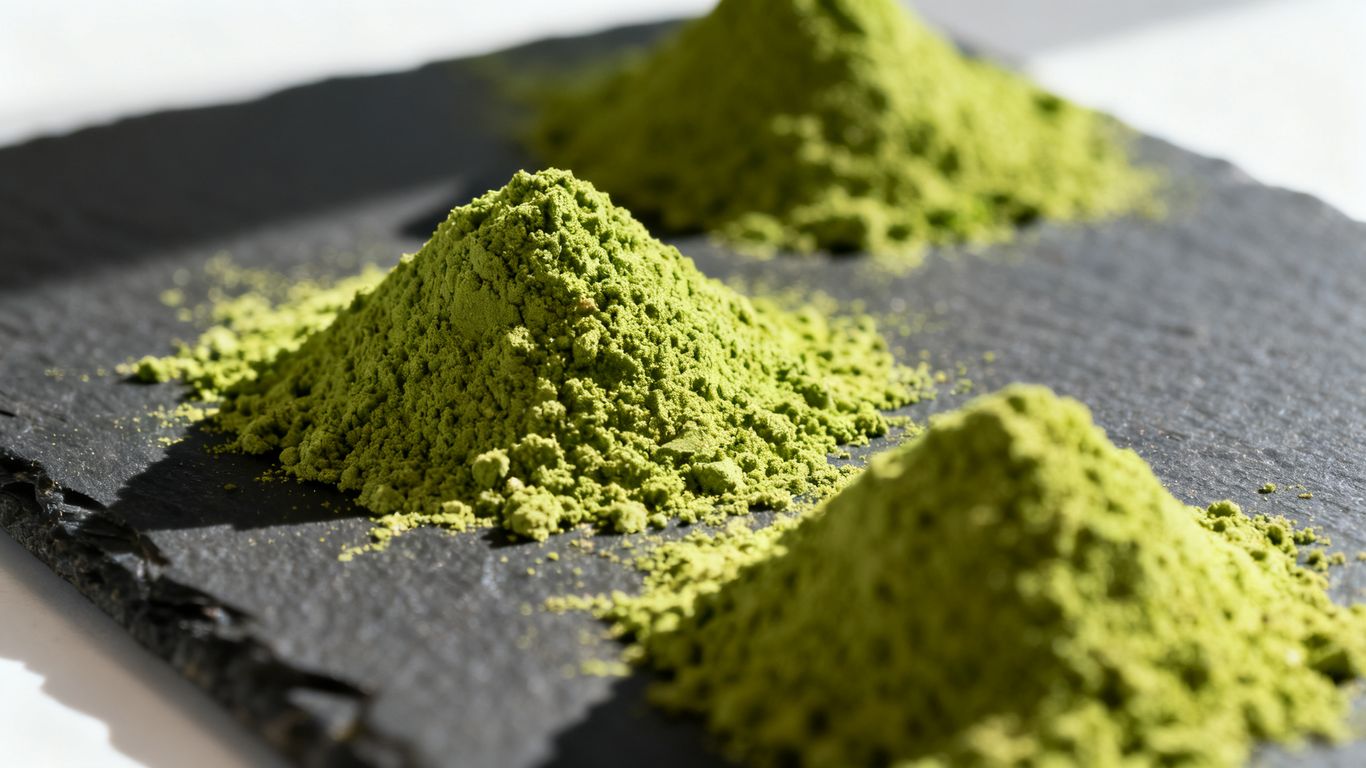
Navigating the differences between industrial cafe-grade and traditional ceremonial tea is essential for anyone interested in high-quality brewing. While industry requirements often demand a very specific, bright, and stable pigment that holds up against hot water or steam, ceremonial-grade tea is intended for pure, whisked preparation. For those curious about mass-market menu items, they may wonder what matcha powder does zus use compared to the traditionally sourced artisanal powders available from premium importers.
Distinguishing between industry requirements and ceremonial purity
Industry standards often prioritize cost-efficiency and supply chain reliability, whereas ceremonial grades focus entirely on the vitality of individual buds picked during the first flush harvest. The latter requires meticulous temperature controls during transport to preserve delicate aroma profiles.
The role of color and texture in cafe-style applications
Cafe-style applications benefit from an intensely vibrant green color, which is often aesthetically enhanced by the specific shading duration at the farm level. This vivid pigment acts as a visual seal of quality for the consumer, much like the standard observed in Community Goods lattes.
Why cafe-grade matcha is designed for boldness and intensity
Cafe-grade matcha is specifically milled to cut through milk fats and high concentrations of sugar, ensuring the distinct identity of the tea is not lost. This intensity provides that recognizable punch that is necessary for cafe menus to remain competitive and flavorful.
Culinary applications versus traditional preparation methods
Traditional preparation demands sifting the powder before folding it into water at precise temperatures, whereas culinary or cafe use often relies on blenders or high-pressure agitation. This fundamental difference in preparation methods explains why cafe drinks often utilize powders that are chemically quite distinct from those used in formal tea ceremonies.
Common characteristics of mass-market coffee chain matcha
When assessing typical beverage chains, it is common to find products that function more like a flavoring agent than a tea ingredient. These products are often standardized to manage costs while ensuring regional consistency, as explored in discussions of ZUS Coffee menu items, where preparation often involves mixing syrups into already formulated blends.
Identifying the presence of added sweeteners and pre-mix ingredients
The presence of pre-mixed sweeteners or dairy powders in industrial tea is a direct response to global demand for standardized flavor. This is particularly prevalent in high-volume chains where menu items like ZUS Coffee teas are designed for rapid, automated assembly.
Analyzing the shade-grown production cycle for mass distribution
Mass distribution requires a steady supply that is often achieved through modern farming technology that mimics the traditional shading period. This ensures high amino acid levels even in large-scale agricultural projects, providing a base that is still recognized as high-quality tea.
The importance of consistent flavor across global or regional locations
Ensuring that a matcha latte tastes the same in Melbourne as it does in Tokyo requires strict, centralized quality control and sourcing from massive co-ops. Consistency ensures brand loyalty but often results in the loss of nuanced terroir, which can be seen in corporate ZUS Coffee marketing discussions.
Assessing the inclusion of fillers or stabilizing agents in industrial tea
Stabilizing agents allow these powders to last for months on a pantry shelf without oxidation or clumping. The table below illustrates how different product grades prioritize specific chemical attributes for various consumer needs:
| Attribute | Ceremonial Grade | Cafe-Grade Powder | Industrial Blend |
|---|---|---|---|
| Particle Size | Extra Fine | Fine | Medium |
| Color | Neon Emerald | Bright Green | Dull Olive |
| Additives | None | Minimal | High (Sugar/Cream) |
| Flavor Profile | Complex Umami | Bold & Tart | Sweetened/Uniform |
By comparing these technical details, one can better understand why mass-market products differ so significantly in composition from single-origin teas.
How coffee chains maintain drink consistency
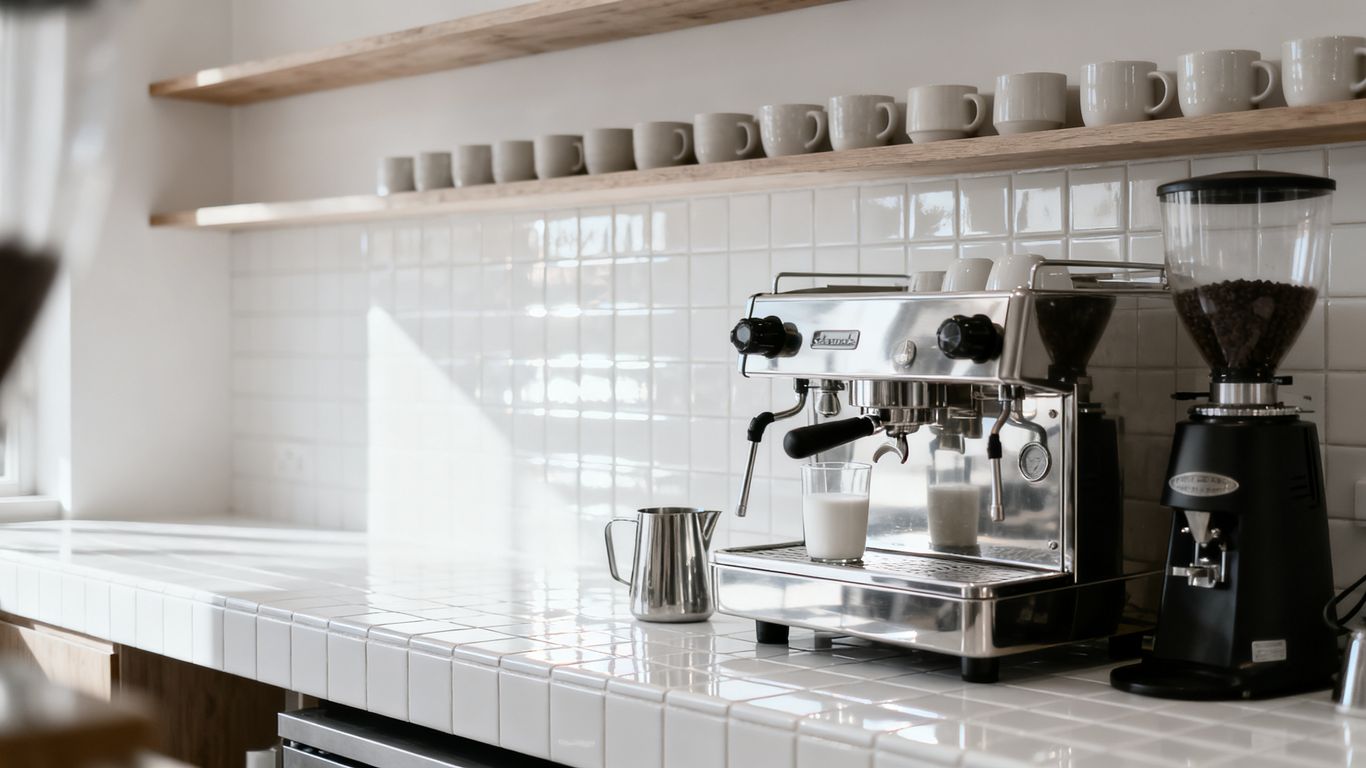
Consistency is the cornerstone of the modern coffeehouse, requiring precise inventory management and standardized workflows that allow staff to create identical beverages repeatedly. Maintaining quality while scaling is a significant challenge, especially when handling ingredients as sensitive as green tea powder, which can oxidize rapidly when exposed to air. Like the experiences cited by ZUS Coffee fans, the goal is always a reliable and aesthetically pleasing result that meets customer expectations.
Standardizing recipes for scalable cafe operations
Operational efficiency dictates the use of pre-portioned sachets or automated dosing, which minimizes waste and human error. This approach ensures that every drink delivery is functionally identical, which is crucial for modern retail success.
The impact of specialized storage on product shelf life
Specialized storage, such as nitrogen-flushed packaging or dark, climate-controlled containers, is vital to prevent the loss of Matcha Warehouse quality standards. Without these protections, matcha powders would degrade within weeks, losing their signature health-promoting antioxidants.
Temperature and humidity management in fast-paced retail environments
Rapid ambient changes can introduce moisture into open industrial bins, leading to clumping. High-volume retail locations mitigate this by using purpose-built, stainless-steel dispensing systems that protect the product from heat and humidity variations.
Why pre-mixed matcha reduces downtime during high-volume periods
- Pre-mixes allow staff to avoid manual sifting during peak hours.
- Automated dispensers guarantee consistent dosing levels.
- Lower moisture sensitivity reduces the risk of spoilage.
- Standardized solubility makes mixing with cold liquids instantaneous.
These efficiency gains allow for a seamless transition during busy periods where order speed is as important as the quality of the beverage itself.
Why quality matters for your home matcha experience
Elevating your home setup means moving past additive-based powders toward authentic, nutrient-dense leaves. Choosing high-grade matcha ensures you receive the full range of chlorophyll and L-theanine without the hidden sugars characteristic of commercial blends, such as the Niko Neko or other retail-heavy powders often compared in local markets. Whether browsing online or shopping at stores that prioritize retail supply like Whole Foods, you should always look for origin transparency.
Health benefits associated with sourcing higher-grade tea leaves
High-grade leaves harvested in the first flush contain a more concentrated dose of epigallocatechin gallate (EGCG). This antioxidant potency is best preserved in pure powders that have not undergone the oxidative processes required for long-distance, bulk-stored retail supply.
Avoiding unnecessary sugar and dairy additives found in cafe blends
By controlling your own ingredients, you remove the reliance on preservatives and synthetic sweeteners. This allows you to appreciate the honest, complex profile of authentic Uji tea, which naturally offers a sweet umami finish when prepared correctly.
The sensory differences in taste, aroma, and pigment intensity
Authentic ceremonial matcha produces a vibrant, light green foam and a smell reminiscent of fresh spring grass. In contrast, heavy industrial blends often lack this distinctive brightness and tend to be grittier due to larger particle sizes.
Tailoring your hydration and preparation methods for pure enjoyment
Effective preparation involves using water heated to approximately 80 degrees Celsius and employing traditional bamboo whisking techniques.
Mastering these steps allows you to tailor the body of your drink exactly to your preferences, whether you prefer it thick and concentrated or whisked into a lighter traditional tea.Sourcing authentic Japanese matcha
Successfully sourcing authentic product requires a careful eye for regional certification, especially when looking at the specific terroirs of Uji and Yame. Trusted importers provide transparency regarding which farms produced the tea, ensuring the leaves were cultivated using organic methods that enhance soil health and, consequently, leaf flavor. Direct imports from these regions represent the standard for Australian tea enthusiasts seeking true quality.
Recognizing the origins of premium Nishio or Uji tea
Authentic Uji tea is held in high regard globally for its specific climate and altitude, which produces a tea with distinctive earthy notes. It is crucial to verify the region of origin, as many "matcha" products on the market are cultivated in regions that do not adhere to traditional Japanese cultivation specs.
Understanding grading systems for buyer transparency
Grading systems vary between vendors, but reputable ones will always communicate the harvest timing and the specific cultivar used. This transparency is key to determining if a box is genuinely ceremonial or better suited for baking purposes.
Vital certifications to look for in imported tea powders
Look for authentic certifications from local Japanese growers or verified international organic bodies. These seals act as a guarantee that no harmful pesticides or artificial colorants were used in the cultivation or manufacturing processes.
How to differentiate between authentic ceremonial items and industry-grade blends
Authentic ceremonial matcha is always sold in smaller, protected containers to prevent degradation. It is characterized by an exceptionally fine, silky texture and a deep aroma that is often absent in the larger, pre-mixed bags typically found on commercial grocery store shelves.
Conclusion
While cafe-grade blends serve a specific purpose for rapid, industrial-scale beverage service, your home matcha experience is best served by pivoting toward authentic, single-origin Japanese teas that prioritize purity. By focusing on superior sourcing, proper storage, and traditional preparation techniques, you can enjoy a beverage that is as health-promoting as it is delicious.
Frequently Asked Questions
What is the main visual difference between ceremonial and culinary matcha?
Ceremonial matcha appears as a brilliant, vibrant fine green, whereas culinary or industrial grade often presents as a duller, olive or brownish-green color due to leaf maturity and processing methods.
Does matcha really provide a different kind of caffeine boost?
Yes, the unique combination of natural caffeine and the amino acid L-theanine helps to slow the absorption of caffeine, providing a focused, steady alertness rather than a sudden spike and subsequent crash.
How should I store my matcha powder at home?
Always keep your matcha powder in an airtight, opaque container stored in a cool, dark place like a cupboard or refrigerator to prevent exposure to light and oxygen, which contribute to rapid oxidation and flavor loss.
Is it necessary to sift matcha before whisking it?
Sifting is a critical step because matcha tends to form tiny clumps due to its very fine texture; sifting ensures a perfectly smooth, frothy consistency in your final bowl or latte.
Why does some matcha taste bitter while other types taste sweet?
Bitterness is often a result of tea leaves harvested later in the season or from using water that is too hot during preparation, whereas higher-grade ceremonial matcha harvested early contains more amino acids which provide a naturally sweet, creamy sensation.
Can I use a regular wire whisk for my tea?
While a electric frother or a metal whisk can mix the powder, a traditional bamboo chasen whisk is ideal for properly aerating the liquid and creating the delicate foam characteristic of professional-quality matcha.
How long does a tin of authentic matcha stay fresh?
Once opened, high-quality matcha is best consumed within 4 to 6 weeks, though its nutritional benefits and flavor may begin to decline sooner if it is frequently exposed to air and moisture.
