

So, you've heard about matcha, right? That bright green powder that's everywhere lately. People rave about it giving them energy, but is it just hype, or does matcha provide energy in a real way? It's not quite like chugging an energy drink or downing a pot of coffee. There's something a bit different going on with this powdered tea, and it all comes down to how it affects your brain and body. Let's break down what makes matcha tick and if it's the right kind of boost for you.
Key Takeaways
- Matcha offers a different kind of energy than coffee, thanks to a mix of caffeine and an amino acid called L-Theanine.
- This combination helps you feel alert and focused without the shaky feeling or the sudden crash you might get from coffee.
- Because you consume the whole tea leaf, matcha packs a lot of nutrients and antioxidants, like EGCG, which are good for overall health.
- The quality of your matcha matters; ceremonial grade usually means more L-Theanine and a better energy experience.
- If you're looking for a steady energy boost that helps with concentration for tasks, matcha could be a good natural choice, especially for avoiding midday slumps.
Understanding Matcha's Unique Energy Profile
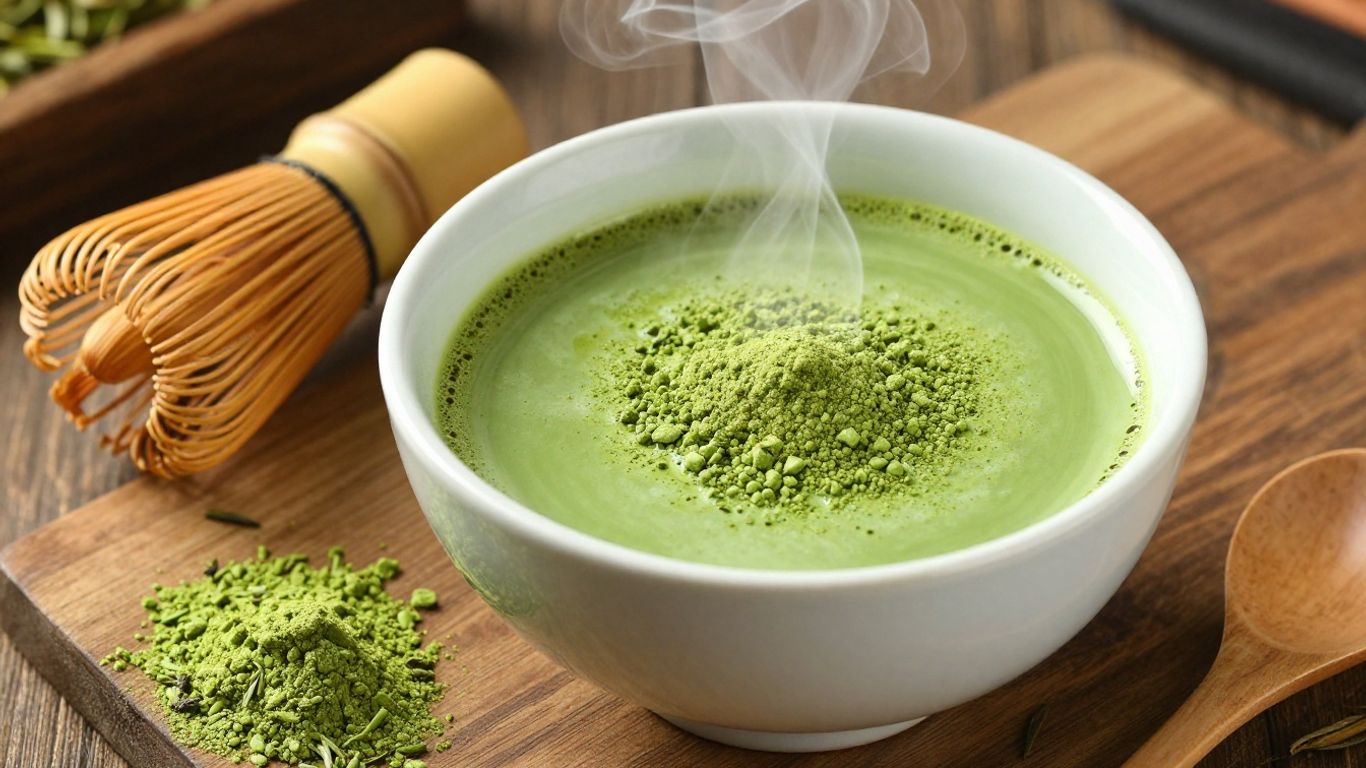
When you think about energy drinks or that morning coffee, you probably picture a quick jolt, right? Matcha offers something a bit different, and it's why so many people here in Australia are turning to it. It’s not just about waking up; it’s about how you feel throughout the day.
The Synergy of Caffeine and L-Theanine
Matcha's energy comes from a special combination you won't find in your average cuppa. It contains caffeine, yes, but it also has an amino acid called L-theanine. This duo is the secret sauce. L-theanine works with the caffeine to smooth out its effects. Think of it like a well-tuned engine – it runs smoothly without sputtering.
- Caffeine: Provides the wakefulness and alertness.
- L-Theanine: Promotes relaxation and focus, tempering the caffeine's edge.
- Synergy: Together, they create a state of calm, sustained energy.
This is a big reason why our premium matcha, sourced directly from the renowned tea regions of Uji and Yame in Japan, is so popular with those seeking a balanced boost.
Sustained Alertness Versus a Jolt
Unlike coffee, which can give you a sharp spike followed by a noticeable dip, matcha tends to provide a more gradual, steady stream of energy. You feel alert and focused, but without that anxious buzz or the dreaded afternoon crash. This makes it ideal for long workdays or when you need to concentrate on detailed tasks. It’s about being productive without feeling wired.
The experience of drinking matcha is often described as a gentle awakening, a clear-headed focus that allows for sustained mental effort without the overstimulation that can come with other caffeinated beverages.
How Matcha Differs from Coffee's Energy Curve
Let's break down the typical energy experience:
| Beverage | Initial Effect | Duration | After Effect |
|---|---|---|---|
| Coffee | Quick, sharp spike | Shorter, with a crash | Jitters, then fatigue |
| Matcha | Gradual, smooth rise | Longer, sustained plateau | Calm alertness, no crash |
This difference is key for anyone looking for a reliable energy source that supports, rather than disrupts, their daily rhythm. For businesses looking to support their teams, offering matcha can be a strategic move towards sustained productivity. We've seen firsthand how switching to authentic Japanese matcha can make a difference in focus and well-being.
The Science Behind Matcha's Energizing Effects
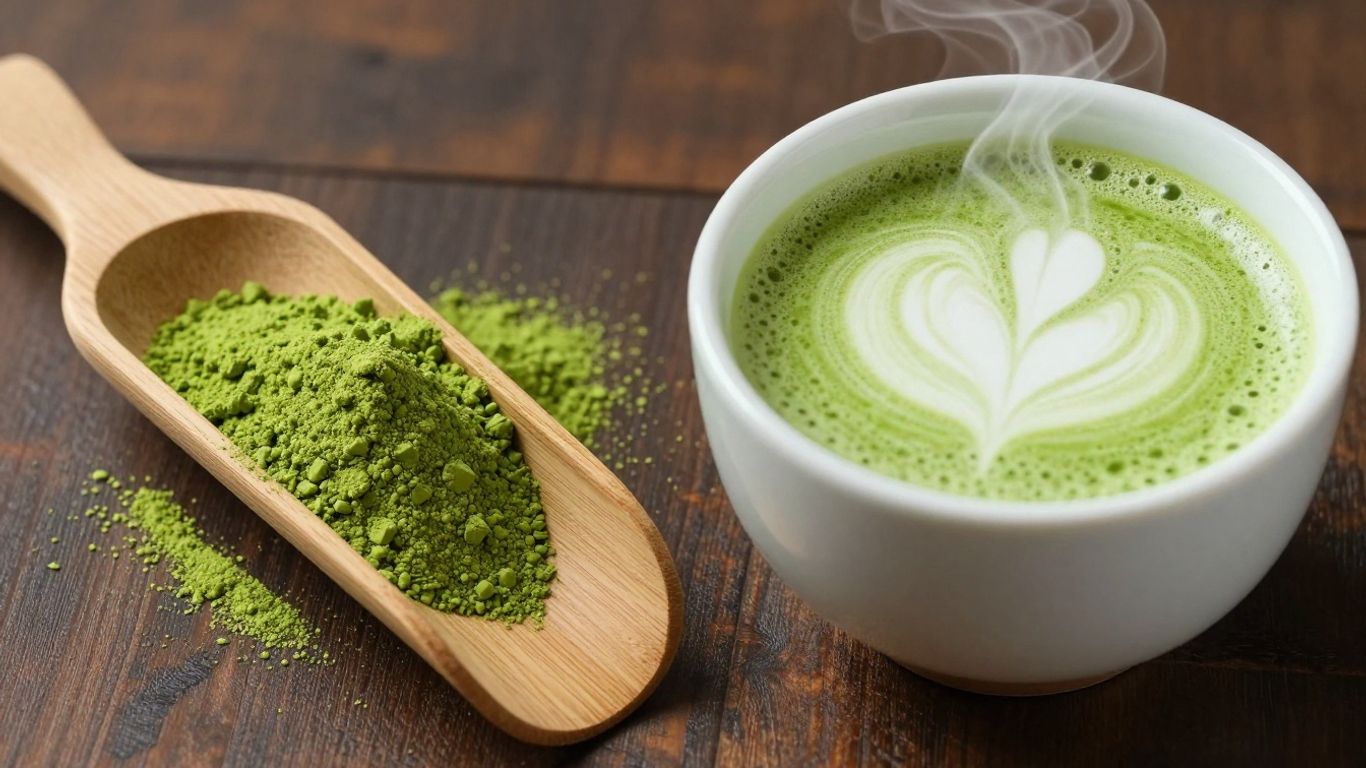
Matcha's reputation for providing a unique kind of energy isn't just hype; it's rooted in its distinct chemical makeup. Unlike the sharp, sometimes jarring, kick you get from coffee, matcha offers a more balanced and sustained lift. This difference comes down to a couple of key players working together.
L-Theanine: The Calm Focus Amino Acid
One of the most fascinating compounds in matcha is L-theanine. This amino acid is found almost exclusively in tea leaves, and it's a big reason why matcha feels different. L-theanine is known for promoting alpha brain waves, which are associated with a state of relaxed alertness. Think of it as a gentle nudge for your brain, helping you feel focused without feeling wired. It's this very amino acid that contributes to the smooth, calm energy many people experience after drinking matcha. For those of us in Australia who appreciate a good cuppa, understanding this component is key to appreciating the quality of our Japanese matcha.
How L-Theanine Modulates Caffeine's Impact
The magic really happens when L-theanine teams up with caffeine. While matcha does contain caffeine (typically less than coffee, but still significant), L-theanine acts as a modulator. It smooths out the caffeine's effect, preventing that sudden spike and subsequent crash that can leave you feeling drained. Instead, you get a more gradual release of energy that lasts for several hours. This synergy is what allows for sustained mental clarity and focus, making it a great choice for a productive day.
The Role of Antioxidants in Energy Production
Beyond the immediate energizing effects, matcha is packed with antioxidants, particularly catechins like EGCG. While their primary role is protecting your cells from damage, these compounds also play a part in overall well-being, which indirectly supports your body's natural energy levels. By reducing oxidative stress, antioxidants help your body function more efficiently. This means that with every cup of high-quality matcha, you're not just getting a mental boost, but also supporting your body's long-term health. When sourcing, looking for organic matcha powder wholesale can ensure you're getting the most potent benefits.
Exploring the Nutritional Powerhouse of Matcha
When we talk about matcha, we're really talking about the whole tea leaf, ground into a super-fine powder. This is a big difference from your standard green tea bag, where you just steep the leaves and then toss them. Because you're consuming the entire leaf with matcha, you get a much more concentrated dose of all the good stuff. Think of it like eating the whole fruit versus just drinking its juice – you're getting more fibre, more vitamins, and all the other beneficial compounds.
Concentrated Nutrients from Whole Leaf Consumption
This whole-leaf approach is what makes matcha so special. It means you're getting a dense package of nutrients that you just don't find in other teas. We've seen this firsthand with the authentic Japanese matcha we import from Uji and Yame; the quality really shines through in the nutrient profile.
- Vitamins: Matcha contains vitamins like A, C, E, K, and several B vitamins. While not a primary source for all of them, it contributes to your daily intake.
- Minerals: You'll also find minerals such as selenium, chromium, zinc, and magnesium in matcha.
- Chlorophyll: The vibrant green colour of matcha comes from chlorophyll. This is because the tea plants are shade-grown for a period before harvest, which significantly increases chlorophyll levels. Chlorophyll is thought to have detoxifying properties.
Key Compounds Contributing to Well-being
Beyond the general vitamins and minerals, matcha is packed with specific compounds that really stand out. The most talked-about are the catechins, especially one called EGCG (epigallocatechin gallate). EGCG is a really potent antioxidant. Antioxidants are important because they help protect your body from damage caused by unstable molecules called free radicals. High levels of EGCG are a big reason why matcha is considered a health-boosting beverage. We often see the superior quality of our ceremonial grade matcha reflected in its deep green colour, a direct sign of high EGCG content.
The way matcha is grown and processed is key to its nutritional density. Shade-growing boosts chlorophyll and amino acids, while stone-grinding preserves the delicate compounds. This meticulous process ensures that when you prepare your matcha, you're getting the full spectrum of its benefits.
Vitamins, Minerals, and Chlorophyll's Contribution
So, what does this all mean for you? It means that a daily cup of matcha isn't just a tasty drink; it's a way to get a concentrated dose of beneficial compounds. The combination of antioxidants, amino acids like L-theanine, and the vitamins and minerals present makes matcha a unique addition to a healthy lifestyle. It's this nutritional density that sets it apart and contributes to the sustained energy and focus people often report after drinking it. For those looking to understand the full picture of what makes matcha so energizing, exploring its nutritional makeup is the first step. You can find out more about the different grades of matcha and how they impact these benefits on our matcha quality guide.
Maximizing Your Matcha Experience
So, you're keen to get the most out of your matcha, and that's a smart move. It's not just about the vibrant green colour or the trendy lattes; it's about understanding how to best integrate this amazing tea into your life for genuine benefits. As a local Australian importer of authentic Japanese matcha from Uji and Yame, we've seen firsthand how much difference a little know-how can make.
Choosing High-Quality Matcha for Optimal Benefits
This is where it all starts. You can't get a truly energising and focused experience from low-quality powder. Think of it like trying to bake a cake with subpar flour – it just won't turn out right. For us, quality means sourcing directly from the renowned regions of Uji and Yame in Japan, where the tea has been cultivated and processed with centuries of tradition. This ensures you're getting the real deal, packed with all those beneficial compounds.
When you're looking for good matcha, keep these points in mind:
- Vibrant Colour: It should be a deep, almost electric green. Dull, yellowish, or brownish hues usually mean it's old or poorly processed.
- Aroma: A fresh, grassy, almost sweet scent is a good sign. Anything musty or stale is a no-go.
- Texture: High-quality matcha feels incredibly fine and smooth, almost like silk. It shouldn't feel gritty.
The colour, aroma, and texture are your best indicators of a matcha that will deliver on its promise of sustained energy and focus.
The Impact of Grade on Energy and Focus
Matcha comes in different grades, and this really matters for your experience. We primarily focus on ceremonial grade matcha. This is the highest quality, made from the youngest, most tender tea leaves. It's shade-grown for longer periods, which significantly increases its L-Theanine content. This amino acid is the secret sauce for that calm, focused energy – it smooths out the caffeine's effect, preventing jitters and that dreaded crash.
Culinary grade matcha, while perfectly fine for baking or adding a green hue to smoothies, just doesn't have the same concentration of L-Theanine and other beneficial compounds. So, if you're looking for that mental clarity and sustained alertness, sticking to ceremonial grade is the way to go. It's an investment in your well-being and productivity.
Integrating Matcha into Your Daily Routine
Once you've got your high-quality matcha, how do you make it a regular part of your day? It's simpler than you might think. For many of our customers, it's become their go-to morning ritual or their midday pick-me-up.
Here’s a simple guide to getting started:
- Preparation is Key: Use water that's hot but not boiling (around 70-80°C or 160-175°F). Boiling water can scorch the delicate leaves and make the matcha taste bitter. Whisk it vigorously with a bamboo whisk (chasen) until it's frothy. This aeration helps create a smooth texture and releases the flavour.
- Timing Matters: For that energy boost without disrupting sleep, aim for your matcha consumption earlier in the day. Mid-morning is often ideal for many, helping to power through the workday without a slump. If you're sensitive to caffeine, avoid it in the late afternoon or evening.
- Listen to Your Body: Everyone reacts differently to caffeine. Start with a smaller serving if you're new to matcha or sensitive. You can always adjust based on how you feel. Remember, the L-Theanine helps create a gentler experience than coffee.
Embracing matcha is about more than just a drink; it's about adopting a mindful practice that supports both your energy levels and your overall sense of calm. By choosing the right quality and preparing it with care, you're setting yourself up for a truly beneficial experience.
We're passionate about bringing the best of Japanese matcha to Australia, and we love helping people discover its full potential. If you're looking to buy premium matcha, we're here to guide you.
Matcha's Role in Productivity and Focus
When you're looking to get things done, whether it's tackling a big project at work or just needing to stay sharp through a long afternoon, matcha can be a real game-changer. It's not just about a quick pick-me-up; it's about a different kind of energy that helps you concentrate and stay on task. As a local Australian importer of authentic Japanese matcha from Uji and Yame, we've seen firsthand how this incredible tea supports sustained mental performance.
Enhancing Concentration for Complex Tasks
Matcha's unique blend of caffeine and L-theanine is the secret sauce here. While caffeine gives you that wake-up call, L-theanine, an amino acid abundant in matcha, works to calm the mind. This combination doesn't just make you alert; it helps you focus. Think of it like fine-tuning a radio to get a clear signal, rather than just turning up the volume. This means fewer distractions and a better ability to dive deep into whatever requires your attention. Research indicates that continuous intake of matcha over weeks leads to sustained improvements in attention and work performance, even under stress. This effect is attributed to matcha's unique properties, surpassing those of caffeine alone.
Sustained Mental Clarity Throughout the Day
Unlike the sharp spike and inevitable crash that often comes with coffee, matcha provides a smoother, more consistent energy curve. The L-theanine helps to modulate the caffeine's release, leading to a state of calm alertness that can last for several hours. This sustained clarity is invaluable for professionals who need to maintain peak cognitive function throughout the workday. It helps you avoid that dreaded midday slump without feeling wired or anxious. This is why many find matcha a superior choice for long-term productivity.
A Natural Alternative for Midday Slumps
That 2 PM feeling can be tough, right? Instead of reaching for another coffee or something sugary, a well-prepared matcha can offer a much-needed natural boost. It provides the mental lift you need to power through the rest of your day without the jitters or the subsequent energy drop. For those sensitive to caffeine or looking for a healthier way to stay productive, matcha is a fantastic option. It supports sustained mental effort, making it a smart choice for anyone aiming for consistent performance. Research indicates that continuous matcha consumption over several weeks leads to sustained improvements in attention and work performance, even under stress. This effect is attributed to matcha beyond just its caffeine content, suggesting a unique benefit for cognitive function and productivity.
Here’s a quick look at how matcha stacks up:
- Smoother Energy: Less of a spike, more of a plateau.
- Calm Focus: L-theanine promotes relaxation alongside alertness.
- Reduced Jitters: A gentler experience compared to coffee for many.
The synergy between caffeine and L-theanine in matcha creates a unique state of relaxed focus, ideal for tasks demanding sustained concentration and mental endurance. This makes it a powerful tool for enhancing productivity naturally.
Considering Matcha's Caffeine Content
When we talk about matcha providing energy, it's impossible to ignore the caffeine. It's a key player, but it works a bit differently here than in your morning coffee. For us, importing authentic Japanese matcha from Uji and Yame, we see firsthand how quality impacts everything, including the caffeine experience.
Understanding Matcha's Caffeine Levels
Matcha does contain caffeine, but the amount can vary. Generally, a serving of matcha (around 1-2 grams) has about 60 to 80 milligrams of caffeine. This is often less than a typical cup of coffee, which can range from 80 to 100 milligrams or even more. However, it's not just about the raw number. The way matcha delivers this caffeine is what makes it special. The presence of L-theanine, an amino acid abundant in high-quality matcha, significantly alters how your body perceives and processes the caffeine. This synergy is why many people report feeling alert and focused without the jitters or the dreaded afternoon crash often associated with coffee.
Navigating Caffeine Sensitivity with Matcha
If you're sensitive to caffeine, you might find matcha to be a more manageable option than coffee. The L-theanine helps to smooth out the stimulating effects of caffeine, promoting a sense of calm focus rather than a sharp jolt. This means you can often enjoy the energizing benefits without the anxiety or sleep disturbances that high doses of caffeine can sometimes cause. It's a good idea to start with a smaller serving, perhaps half a teaspoon, to see how you react. Pay attention to how you feel throughout the day. For many, this gentle lift is perfect for sustained concentration, whether you're working on complex tasks or just need a boost to get through the day. We've seen many clients in our Australian community find their sweet spot with our ceremonial grade matcha, appreciating the clean energy it provides.
Responsible Consumption for Optimal Results
To get the most out of your matcha experience, mindful consumption is key. This means understanding your own tolerance and choosing high-quality matcha. Lower-quality matcha might have less L-theanine, meaning you'll experience more of the caffeine's raw impact. We always recommend opting for ceremonial grade, like the ones we source from Uji and Yame, as they are specifically cultivated for their superior L-theanine content and vibrant flavour. This ensures you're getting the balanced energy profile that matcha is known for. Remember, moderation is important. While matcha offers a natural energy boost, excessive intake of any caffeinated product isn't ideal. Listening to your body is the best approach to integrating matcha into your daily routine for sustained well-being and focus.
Wondering how much caffeine is in your matcha? It's a common question, and the answer might surprise you! Unlike coffee, matcha offers a smoother energy boost without the jitters. Curious about the exact amount and how it compares? Dive deeper into the details on our website to understand matcha's unique caffeine profile and find the perfect blend for your needs.
So, Does Matcha Really Give You Energy?
Alright, so we've looked at how matcha works its magic. It's not just some trendy drink; there's actually some cool science behind why it makes you feel more alert. Unlike coffee, which can sometimes feel like a rocket launch followed by a crash, matcha seems to offer a smoother ride. That's thanks to a special amino acid called L-theanine working with the caffeine. It helps you feel more focused and awake, but in a calmer way. So, if you're looking for a natural way to get a bit of a boost without all the jitters, matcha might just be your new go-to. Give it a try and see how it fits into your day!
Frequently Asked Questions
Does matcha give you energy like coffee?
Matcha does give you energy, but it feels different from coffee. Coffee can give you a quick burst of energy that might make you feel a bit shaky or anxious, and then you might feel tired later. Matcha also has caffeine, but it has something called L-Theanine. This special ingredient helps you feel more awake and focused, but in a calm way. So, instead of a sudden jolt, matcha gives you a smoother, longer-lasting energy that helps you concentrate without feeling wired.
What makes matcha's energy different from coffee's?
The big difference is how the energy feels. Coffee's caffeine hits you fast, like a quick spark, but it can also lead to a crash. Matcha's caffeine works together with L-Theanine. This amino acid helps calm your mind while still letting you feel alert. Think of it like a steady, gentle hum of energy rather than a loud, short burst. This means you can stay focused and productive for longer without feeling that dreaded afternoon slump.
How much caffeine is actually in matcha?
Matcha has caffeine, but usually less than a cup of coffee. A typical serving of matcha might have between 30 to 70 milligrams of caffeine. This can change depending on the type of matcha and how you prepare it. Even though it has caffeine, the L-Theanine helps balance it out, so you don't get the same jittery feelings you might get from coffee.
Can I drink matcha if I'm sensitive to caffeine?
If you're sensitive to caffeine, you might still be able to enjoy matcha, but it's best to start slowly. Because of the L-Theanine, matcha often feels gentler than coffee. You might find that a small amount gives you the focus you need without making you feel anxious or unable to sleep. It's a good idea to try it earlier in the day and see how your body reacts. You can always adjust the amount you drink.
What are the other good things in matcha besides energy?
Matcha is packed with good stuff! It has lots of antioxidants, which are like tiny helpers that protect your body from damage. It's also got vitamins and minerals. The L-Theanine, besides helping with calm energy, is also thought to help with focus and even make you feel more relaxed. Plus, the vibrant green color comes from chlorophyll, which is believed to help your body get rid of bad stuff.
How can I get the most energy from my matcha?
To get the best energy boost, start with good quality matcha. Higher grades, like ceremonial grade, usually have more of the good stuff like L-Theanine and antioxidants. Also, how you prepare it matters! Whisking it well helps release all its flavors and benefits. Drinking it in the morning or early afternoon is usually best to help you power through your day without messing with your sleep.

